Long Read // TV Cult on emerging from the Köln underground, making 80s-inspired political art and levelling up on their new album 'Industry'
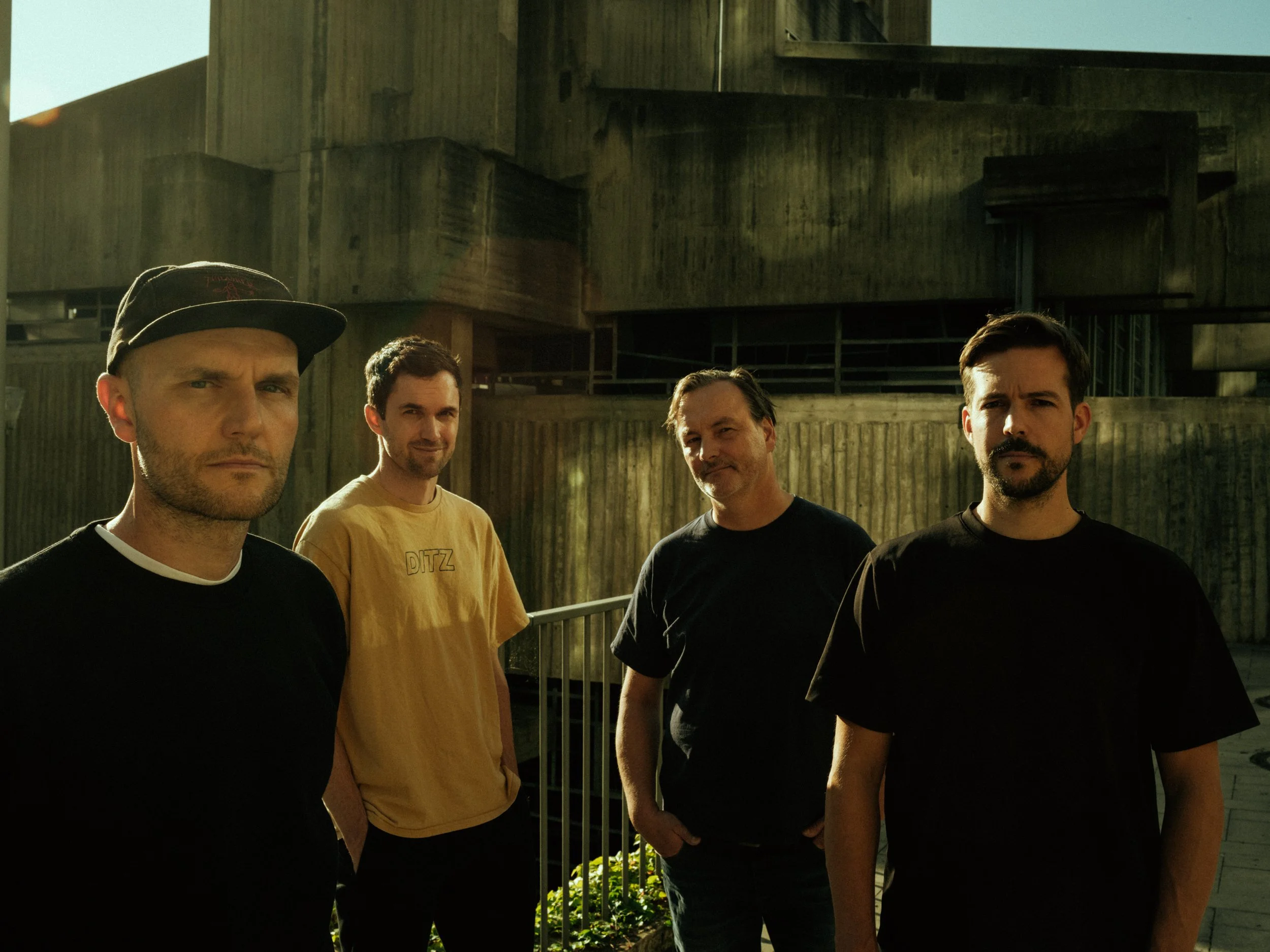
With the release of their striking second album Industry looming, vocalist Marco Natale and guitarist Martin Hughes talked us through what makes the German post-punk outfit tick, and the blood, sweat and tears that went into their sophomore LP.
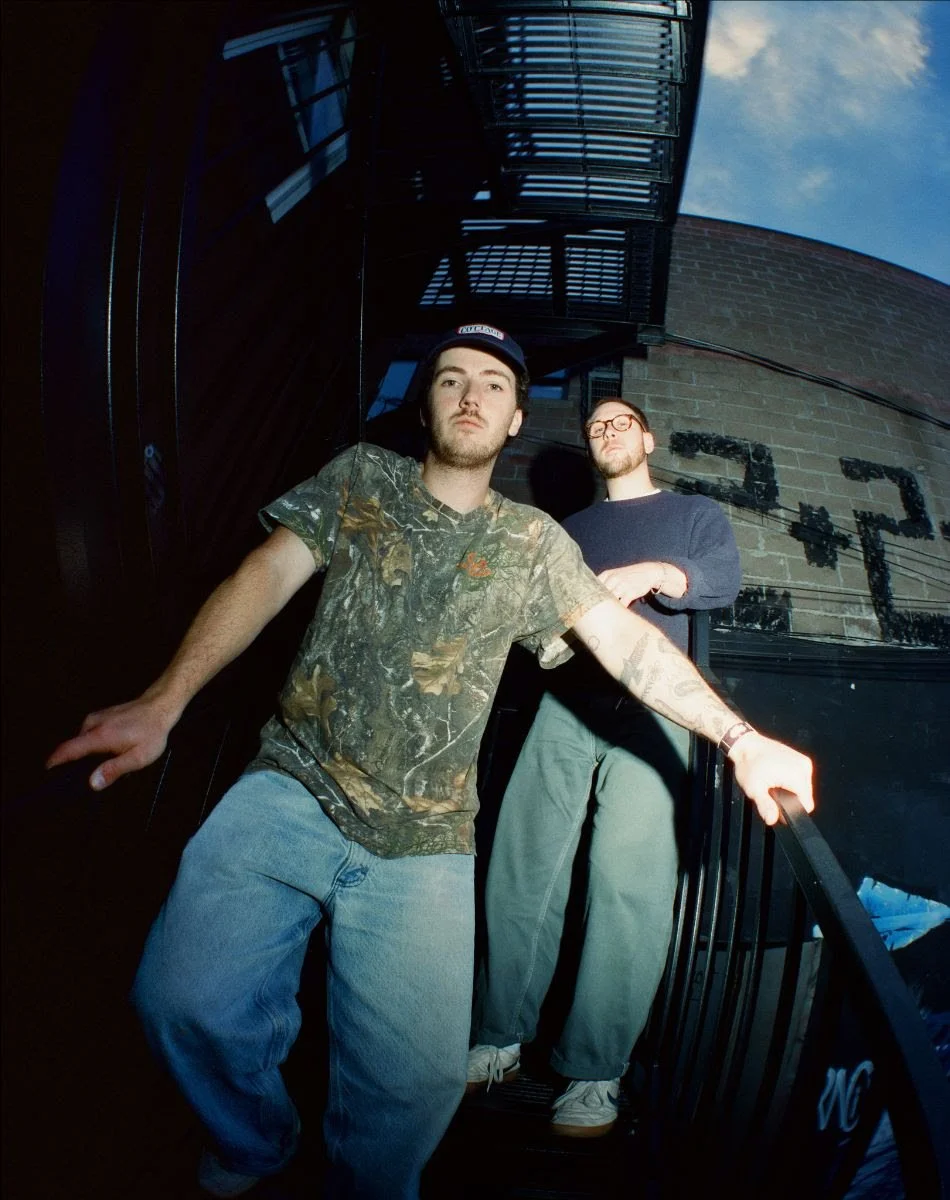
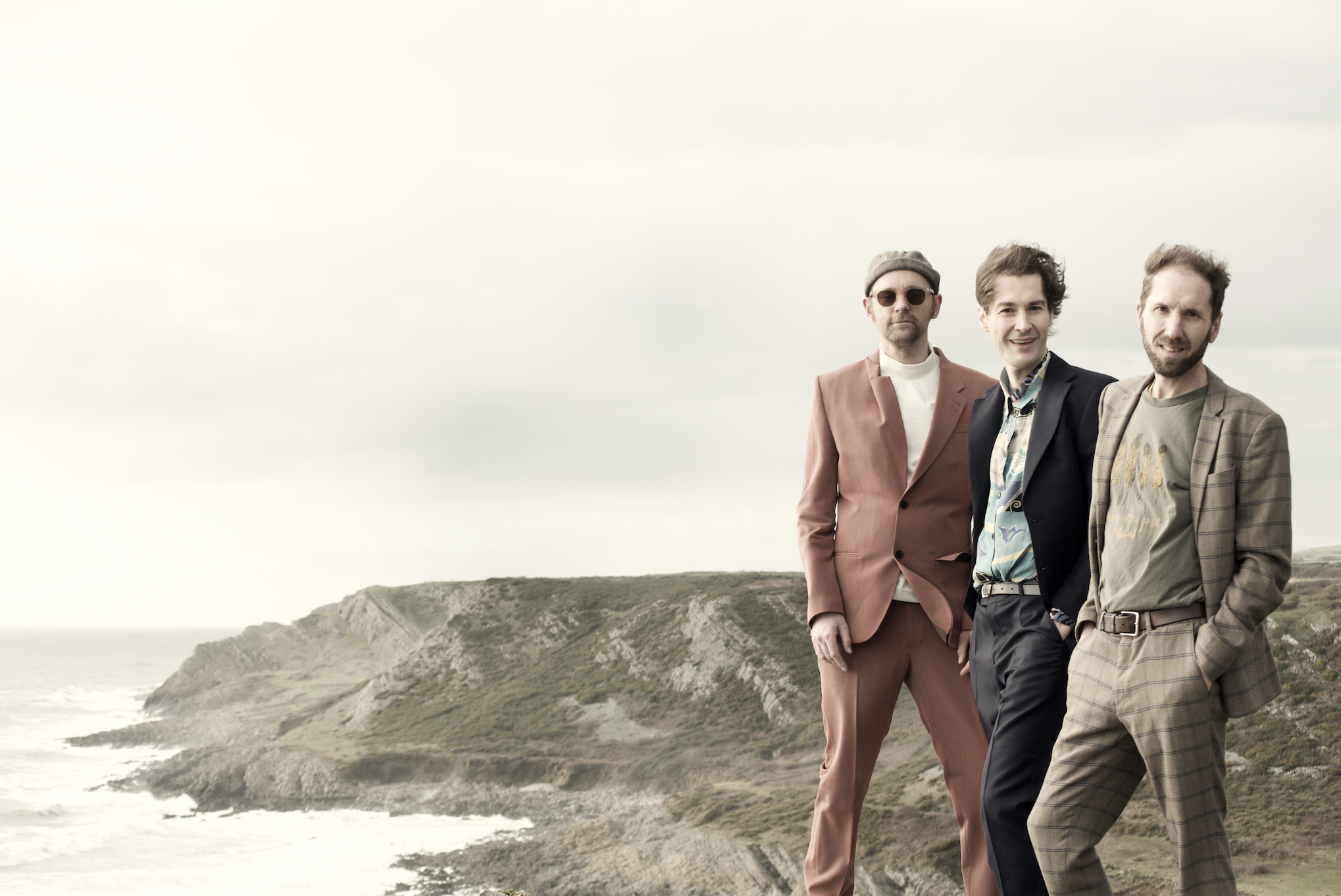
TV Cult came together in October 2018, an eclectic mix of frontman Marco’s connections with Martin, a skater friend who once let slip that he played guitar, his drummer work colleague Florian Stadtfeld, and Michael Zeininger, an acquaintance Marco made in a bar who happened to play bass and owned a practice room. As the stars aligned, what has remained at the band’s core ever since is this DIY ethos. Martin recalls to me that it was only the week before the band’s first practice session that he bought a guitar, having drifted away from the instrument since his youth. Their first session together showed promise. “Everyone can play punk music, so I didn’t worry much about it at the time,” Marco tells me. “Just shred some chords, have a beat and shout over it and there we go. So we made our first tracks in our first practice”.
After achieving their initial goal to put out a record with their name on it, the quartet were determined to continue honing their craft and make an even better second album, beginning developing in late 2023 shortly after Colony’s release. Both self-produced LPs were steep learning curves for the band, but for Industry they enrolled the help of Misha Hering (High Vis, IDLES) to mix the project and Brad Boatright (Off!, Sleep, Stranger Things OST) for mastering support. “When you start off as punks you want to do all yourselves,” Martin explains. “But at the same time we came to learn look you can’t master a record yourself as good as an experienced mastering engineer”. The process of making Colony and then Industry has been one of steady improvement, as Marco made clear: “We grew with the process… we grew with the challenges to get more and more confident with every studio session”. Later in our conversation, Martin reveals Industry is named in part as an ode to the sheer amount of hard work put into the album by the four of them alongside their sound engineer Christoph Scheidel.
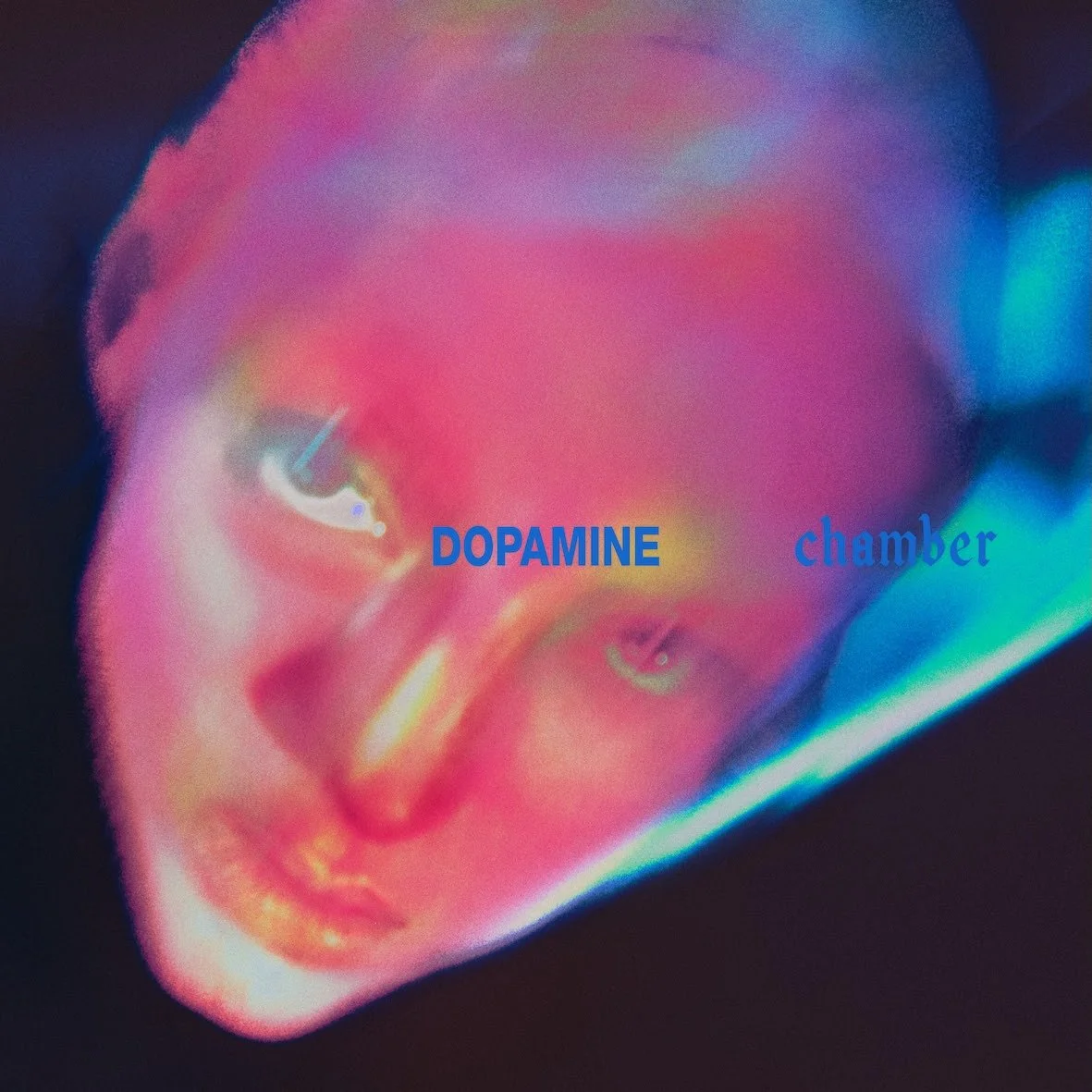
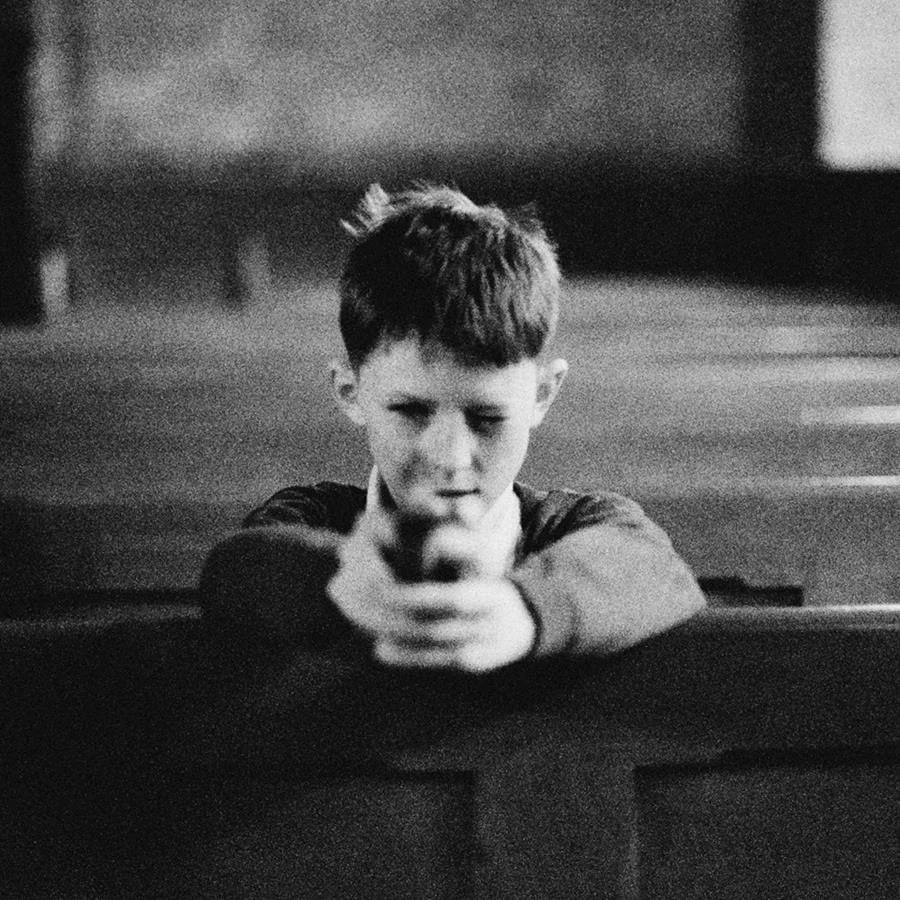
Industry is brutalist by design, with its album art featuring a photograph from famous Köln-based photographer Boris Becker’s ‘Konstruktionen’ series. “From a post-punk perspective that’s just kinda what we’re drawn to,” Martin reflected, “that kind of cynical post-punk industrial aspect, the brutal imagery”. Whilst garbed in concrete, the album undoubtedly shines. As well as levelling up the production, mixing and mastering sides of the album, the album sees quite a shift of the band’s style away from the more hardcore punk sensibilities of their debut release. Marko clarifies “we’re still playing punk music, we’ve just put it in sort of a disguise, and just made it more interesting I guess by adding those influences”. While tracks such as ‘Primary Crusher’ and ‘Gavage’ show that Marco and the band’s punk and hardcore roots aren’t going anywhere, Martin’s infatuation with gothic themes and aesthetics is increasingly prominent and complemented with added electronic music elements. Marco laughs as he tells me how three years ago Martin brought a synth to a practice session and it didn’t exactly work out, but it “felt great straight away this time”. The opening of ‘Crack the Whip’ features these synth parts centre stage, warbling out of phase to great effect. Similarly, the first half of ‘Symbols of Death’ takes listeners on a journey of drifting, ambient synth pads that linger across the entire track, even as it opens up into a head-banging fury of shattering cymbals and crunchy electric guitar, ending with the repeating line “Resting in power”.
To Marco, this variety is one of the album’s strongest suits, and the pair agreed that it was incredibly difficult to choose which singles to put out ahead of the full album’s release in October. Martin’s favourite track of the album is ‘Surrender’, which he describes as “our only pop song”. Much of the album feels 80s-inspired, but ‘Surrender’ more than any other track oozes The Cure, from its synth line to guitar arrangement. It felt natural for the band to gravitate towards the sounds that Martin and Marco grew up with, expanding their sound into new sonic territory. When I asked about their influences from the neon decade, Martin hilariously remarked “I don’t just listen to disintegration on repeat all the time, but I do always come back to it”.
But amid this ‘punk in disguise’ there’s a pressing sense of urgency felt on Industry that’s more potent than ever before in TV Cult’s work. It’s imbued in everything, from the jagged vocals of ‘Communion’ to the harsh twangs of electric guitar on ‘Overpressure’ and the perpetual rumblings of ‘Pyramids’ distorted bassline. “[It’s] the state of the world that influenced our songwriting, all the media that surrounds you, just the bad news that comes in every day, you just can’t escape it and somehow need to process it within your head,” Marco says of what informed their new album. “You just feel frustrated sometimes and music is a great outlet”. Even if the band are cognisant that they can’t change all that much, they believe in the power of speaking your mind on the darknesses of the modern world. “It just has to be true, authentic,” Marco replies when I asked him about their experience making political art at a time where freedom of speech is under threat. “What annoys me is ok, you’re a band, you talk about politics, you make political statements, then you just ignore one of the most pressing topics of our time,” Martin adds. “So just to not talk about that, it’s not being honest, it’s being deceitful in a way. And then that devalues any other meaning you could have. So I think it’s important to address what’s on your mind and not censor yourself because everything’s weird right now”. Marco interjects that “otherwise it becomes irrelevant”, and we all agree. Speaking to TV Cult, whose political consciousness derives from themselves and who they are as people, it seems increasingly clear that we’re entering a watershed moment where bands and artists who aren’t speaking up strongly in support of Palestinian liberation are facing more criticism, and losing more credibility every day.
When we discussed TV Cult’s writing process, what stood out was its collaborative nature: Martin will come to Marco and the band with guitar riffs and an idea of where the lyrics will go, and as they pass from one bandmember to the next, each will derive their own interpretation and add their own approach. The end result is a more open-ended, interpretative approach to political songwriting, reflecting the totality of their collective attitudes rather than a single-minded one. As Marco explained, they take a poetic approach to their songwriting: “it has to come naturally, once you start overthinking lyrics it just turns out pretty awkward eventually. To me it’s just important to get a certain feel to it… for things to be not too blatant, to leave room, space for interpretation”. Martin continues, outlining the nuances of the post-punk group’s approach to political song. “Everything is political,” he says, “and we touch on themes but we’re not someone like Kneecap who explicitly state [their] positions. We do want people to listen to something and come away with their own understandings of what it is”. Later, Martin quips “I love the Arctic Monkeys and Alex Turner but I don’t like how often times his songs are dictating stuff. I wanna be the opposite of that”.
As well as the big issues, TV Cult also like to draw inspiration from smaller facets of the world around them. ‘Moonflower’ was inspired by a children’s book about a flower only growing under moonlight, the spacey, synth-filled ‘Crack the Whip’ was named after a line in the 1985 book and 2004 film The Polar Express, and the title of ‘Whirlwind’ emerged from a sticker on their bassist Mike’s guitar case. Narrating how he builds a story around these scattered phrases, Martin referred to an old NME interview with British Sea Power where the Reading-formed band argued that “If you’re gonna be a songwriter, you should be able to write about anything”.
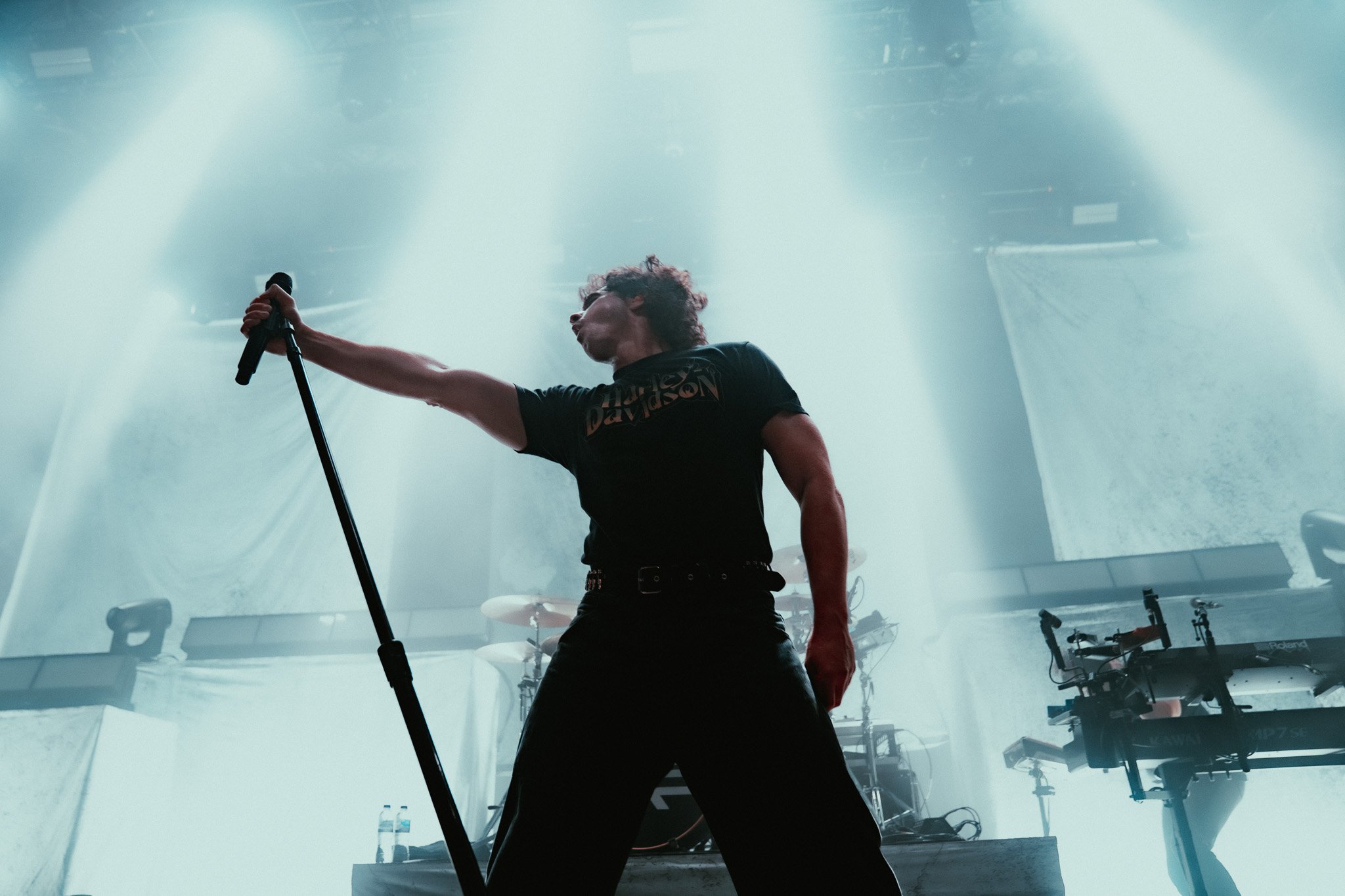
TV Cult’s live performances aren’t to be missed, and both bandmembers I spoke to were eagerly excited about bringing their new record to live audiences. “When we’re on stage it’s basically just lots of emotions, it’s a very emotional act, very intense for myself,” Marco details, and Martin agrees: “Strangely it has become emotional, I do think the songs communicate something”. Industry is out on the 10th of October, with tour dates in Köln, Saarbrucken, Darmstadt and Siegen following over the next two months. They told me that in January they’re planning to play some shows in the UK, with potential gigs in London, Brighton and beyond. Keep your eyes peeled and your ears open: as we approach the darkest days of the year, there’s no better time to lose yourself in the dark recesses of TV Cult’s post-punk excellence.
Words by Taran Will