Live Review: Muse - O2 Arena, London 15/11/2026
Even after 28 years of touring, Muse still manage to outdo themselves at the O2.
Conceptually speaking, everyone knows Muse. The Teignmouth trio have been around since before the turn of the century, with some of the most distinctive, recognisable and iconic rock songs ever released under their collective belts. From the signature squeals of ‘Plug in Baby’ or the oscillating drone of ‘Muscle Museum’, through the hackle-raising bass of ‘Hysteria’ and the synth-like fuzz of ‘Supermassive Black Hole’, all the way to the neon-soaked synth of ‘Algorithm’ or Daft Punk-esque funk grooves and slap-bass of ‘Nightshift Superstar’, their sound is somehow as varied as it is unique; every album sounds entirely and unrepentantly its own, whilst still being unmistakably something that only Muse could produce.
But that’s only on record. Live, Muse are a band you can only really experience yourself — living vicariously through clips or stories is like listening to someone describing the Mona Lisa, or seeing a crude pencil drawing of a Picasso. It’s just not the same. And yes, reading that in a live review feels deliciously ironic, but if anything that should convey just how much larger than life a Muse gig is. But even by their standards, their show at the O2 was something else.
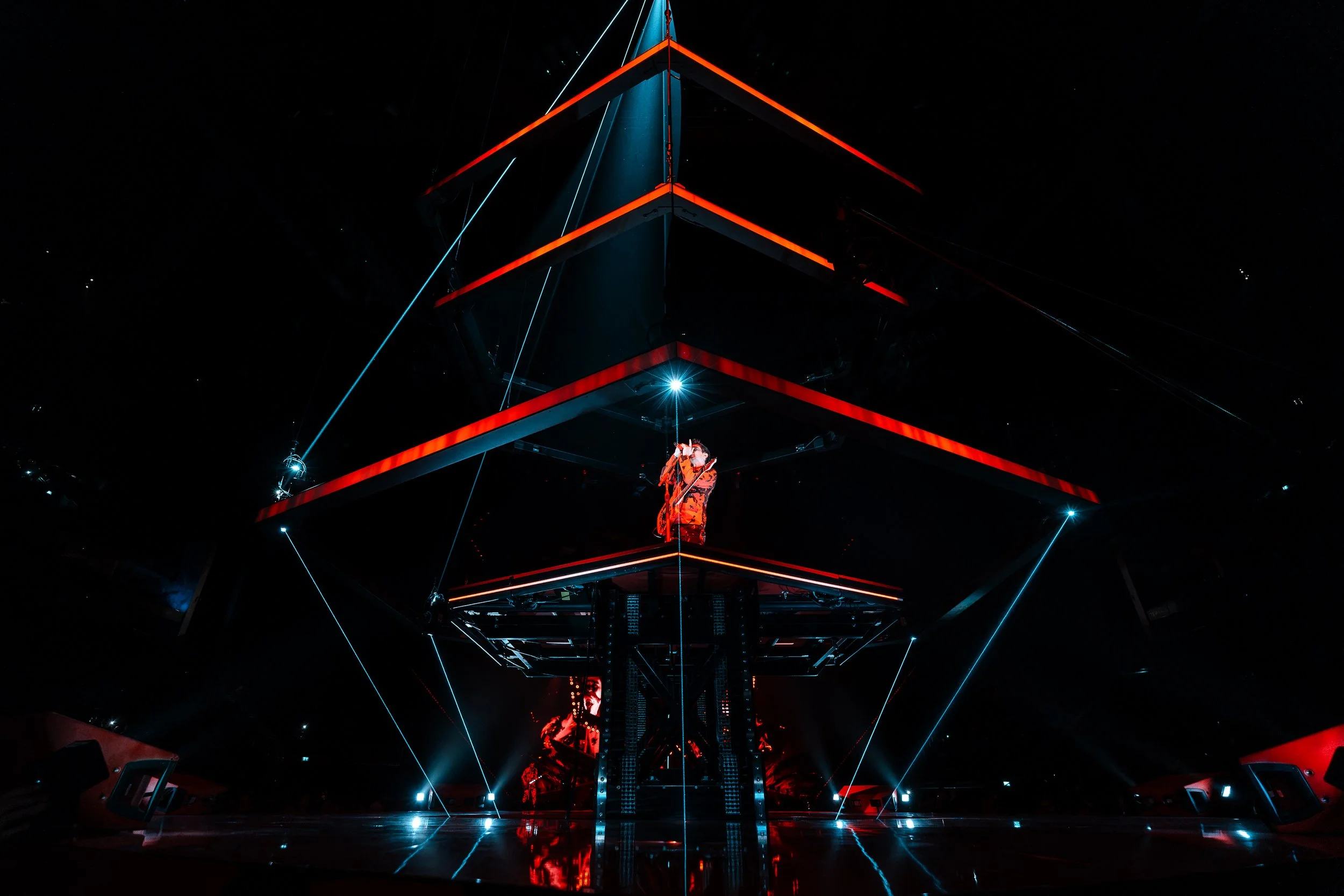
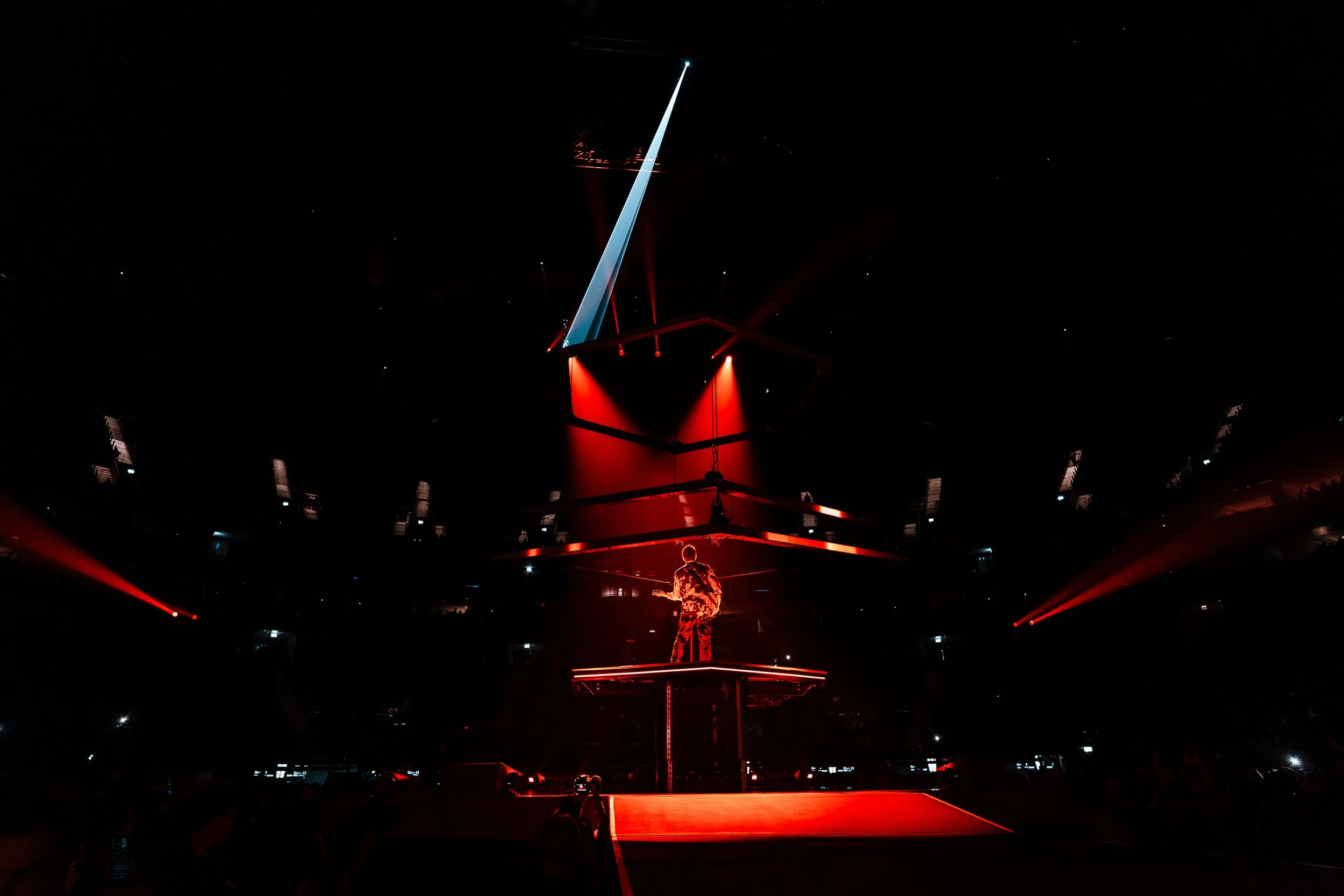
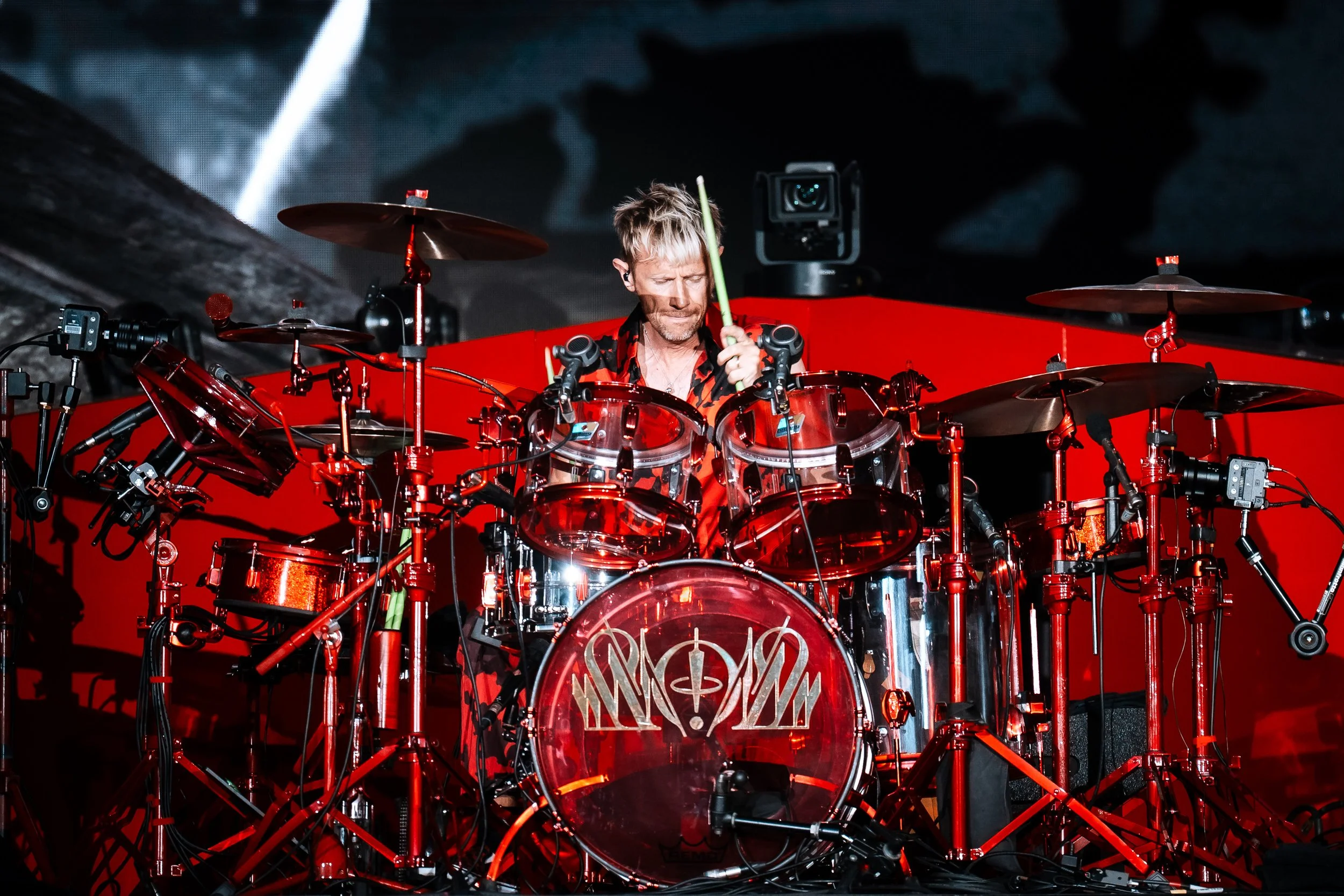
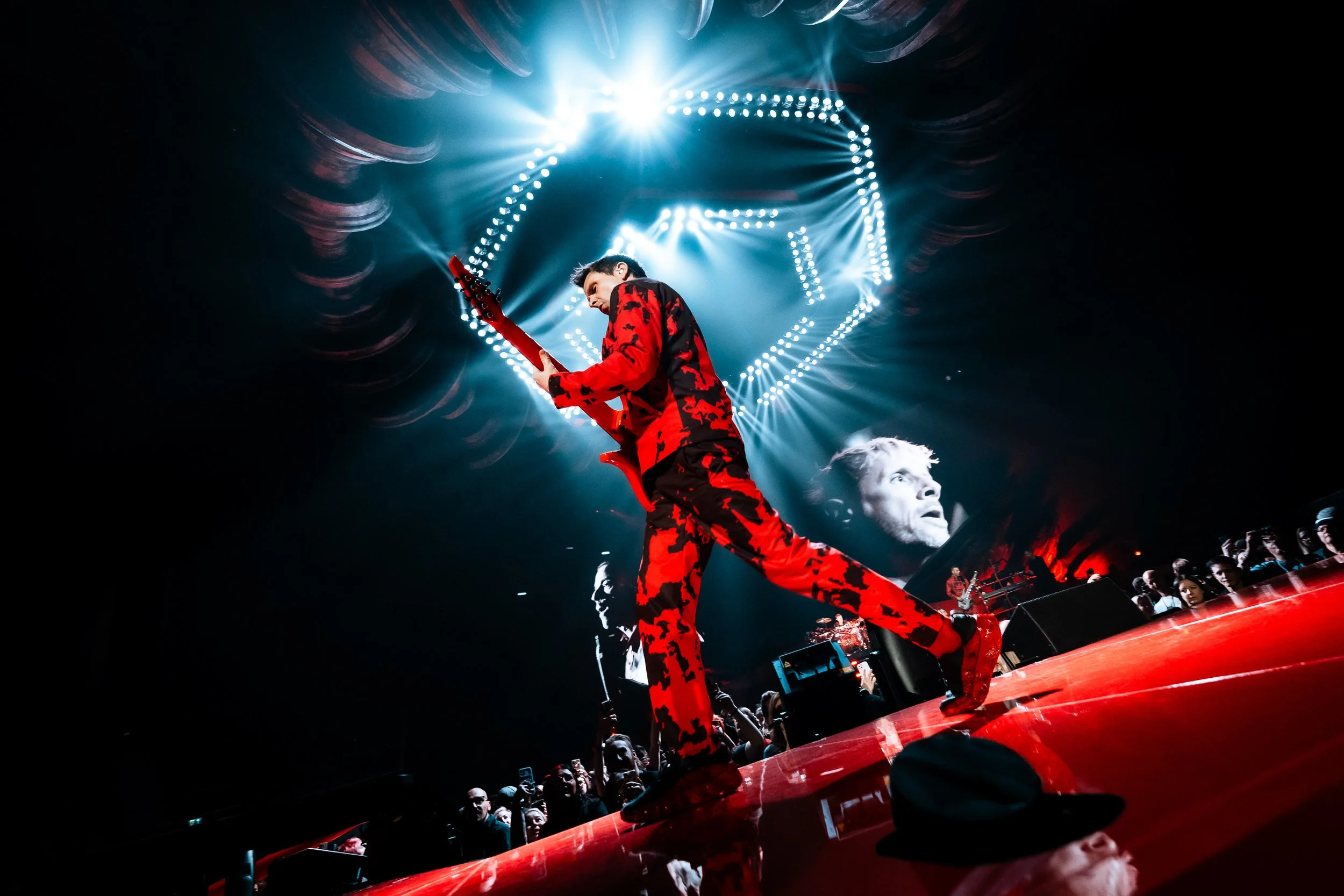
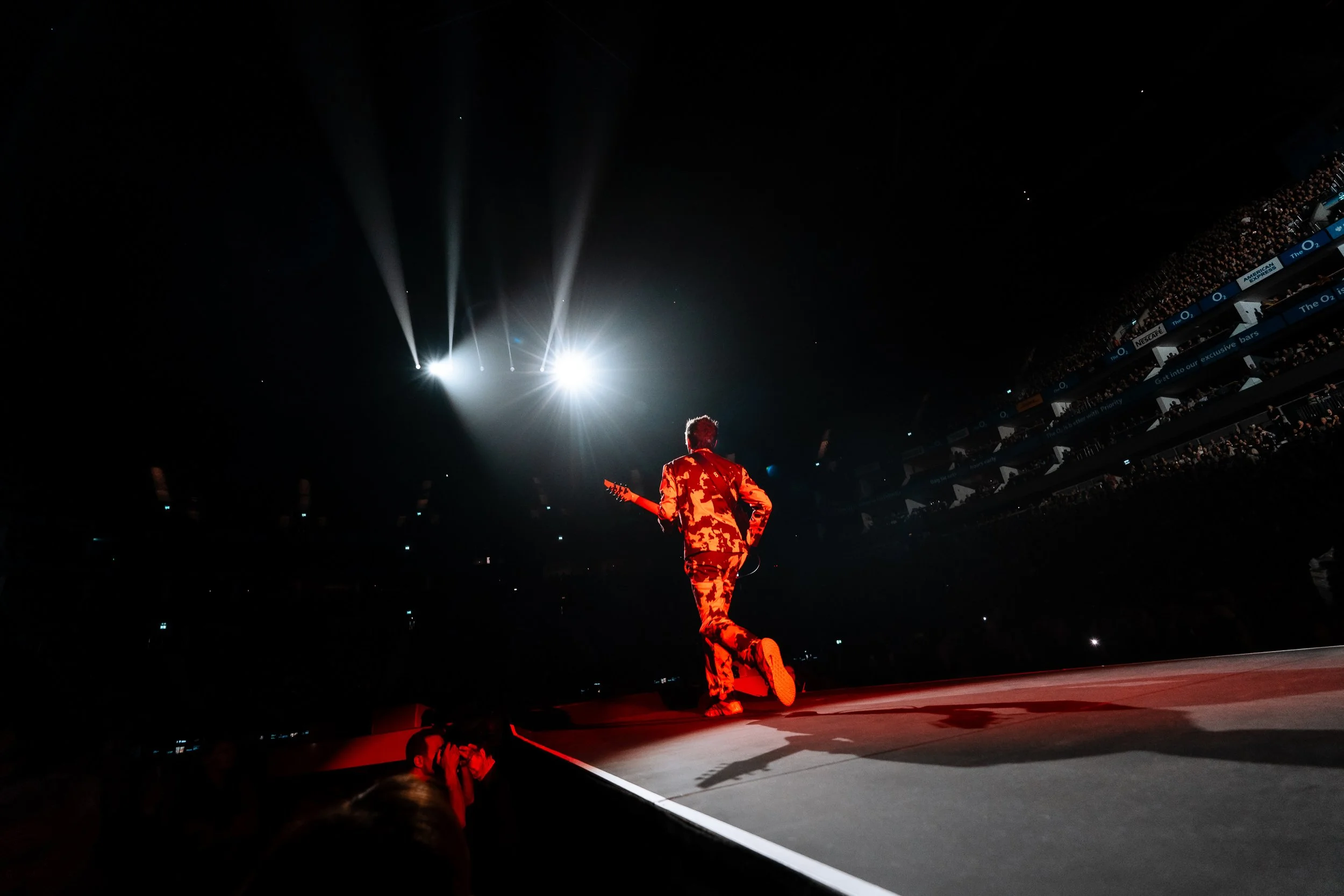
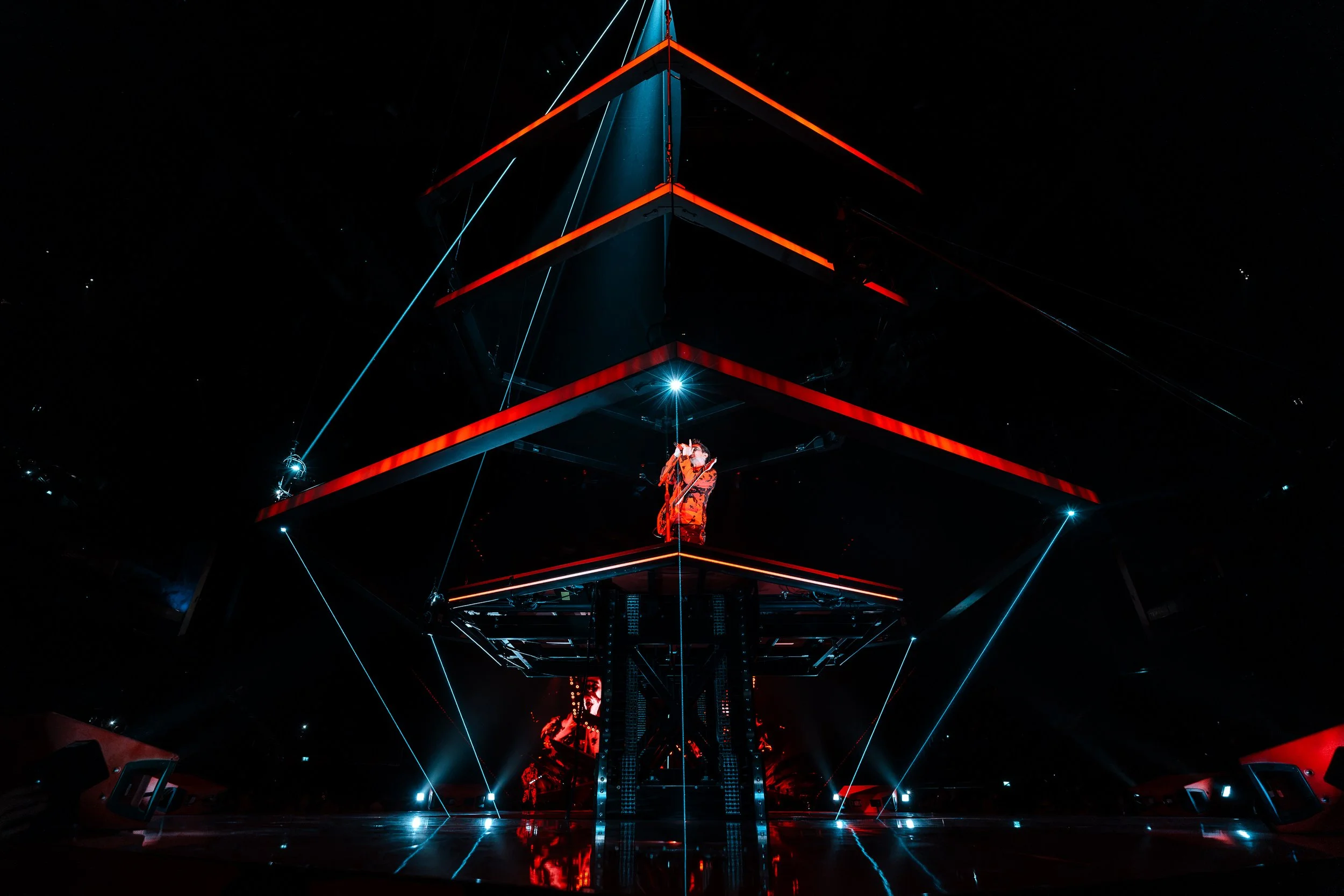
The staging alone was ridiculous. Jagged pillars of what looked like obsidian sprouted from the back of the stage, the wings of some eldritch rock horror, while a long walkway extended deep into the crowd, with a golden circle-esque section of standing embraced within it. Everywhere you looked, you saw production in excess. Back of the venue? A robot, working a console in front of house. Up? A ring of what looked like futuristic wheels that could be lit up and lowered at will, as seen on the album cover of June’s ‘The Wow! Signal’. Even the crowd wasn’t spared, with venue staff giving out special wristbands with ominously big battery packs as everyone entered the venue. If people weren’t excited already, just the sheer scale of the promised spectacle inevitably did the job.
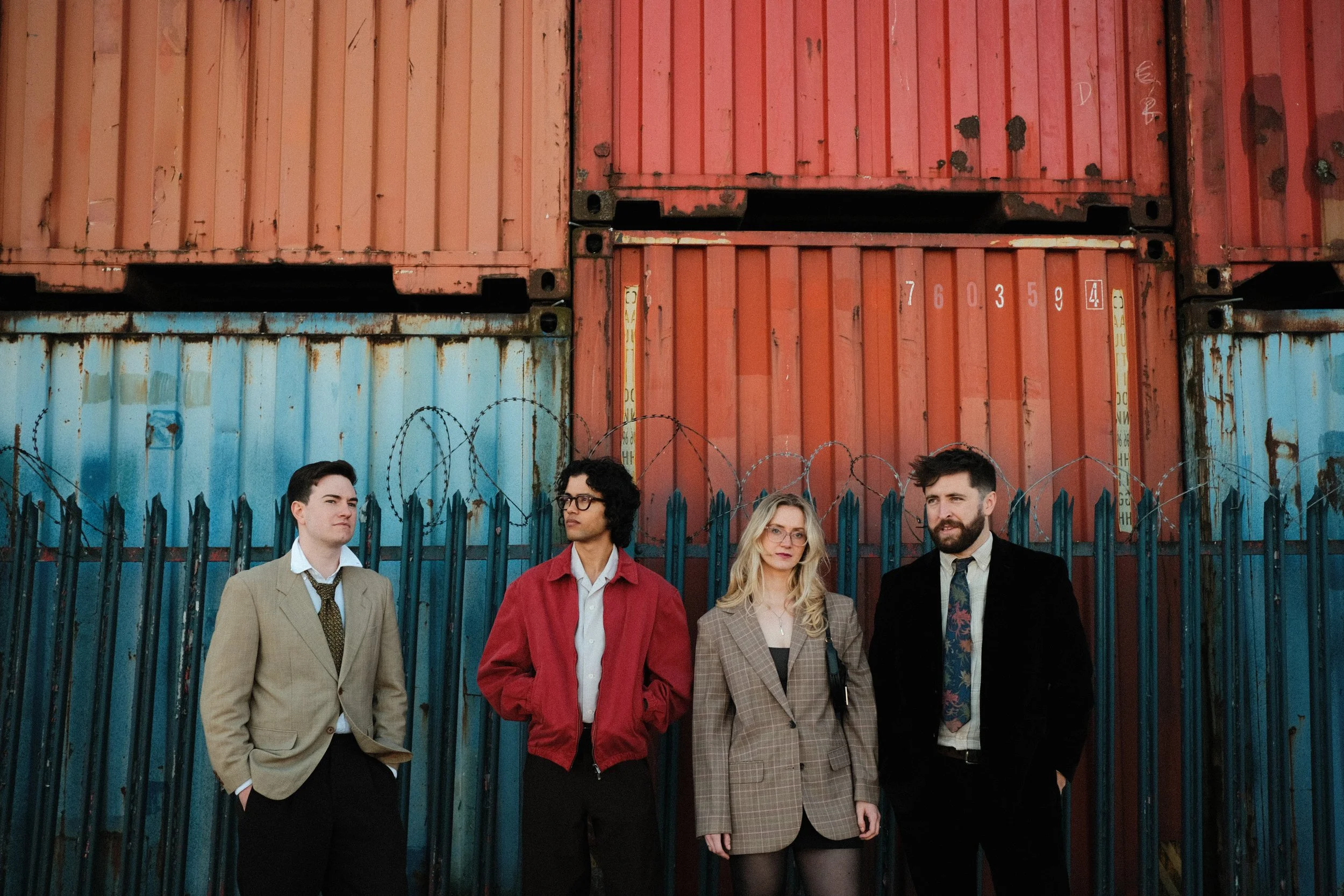
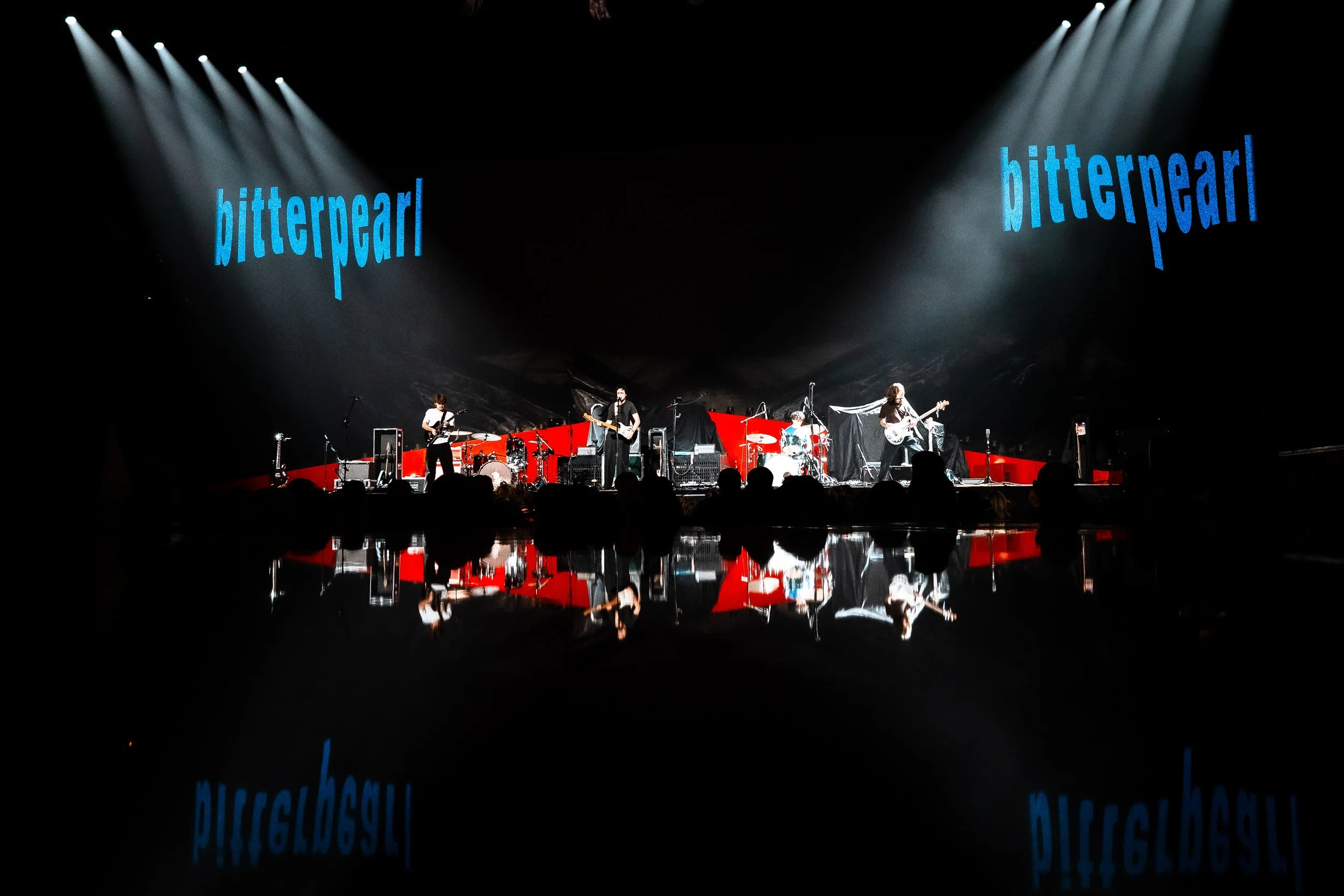
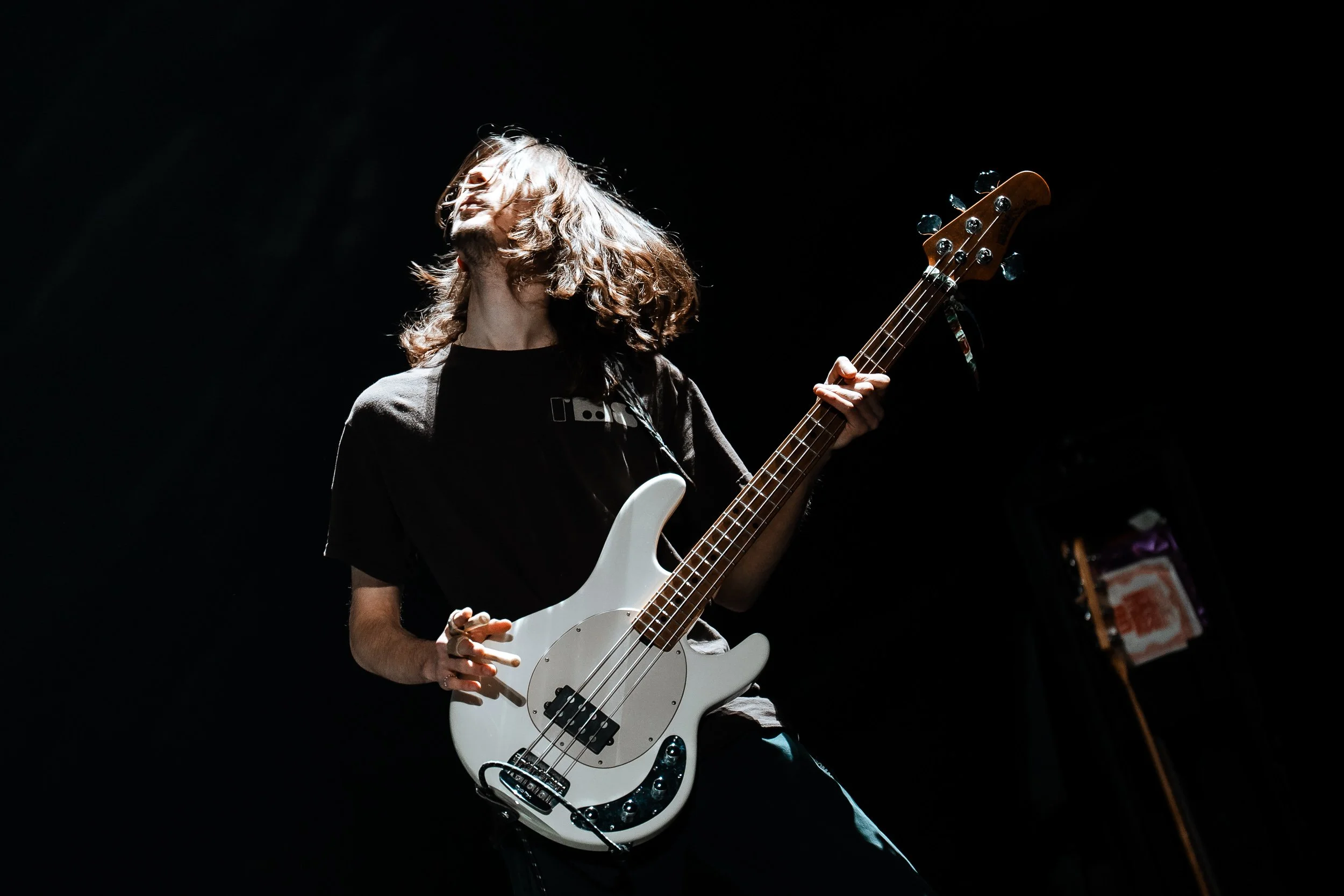
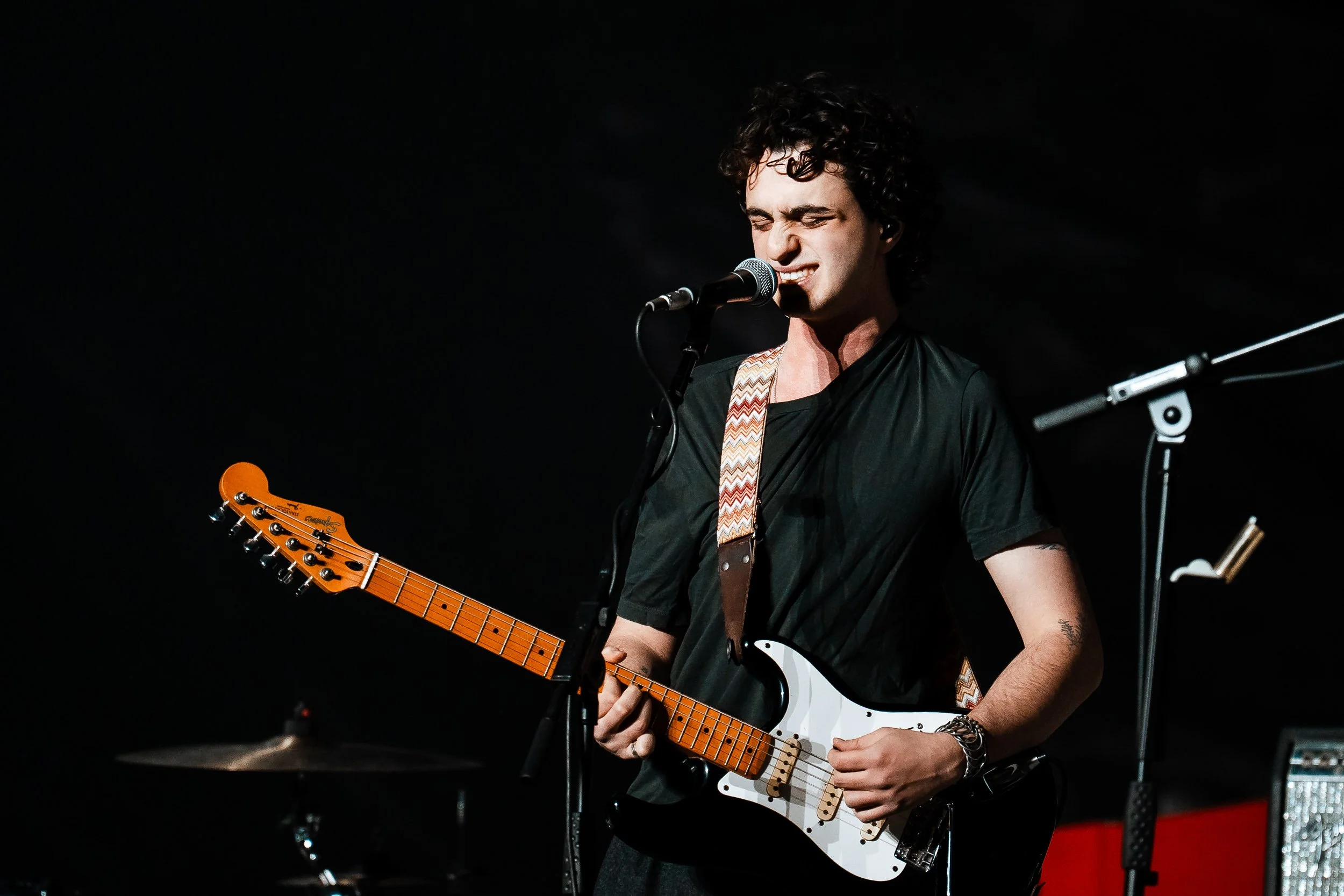
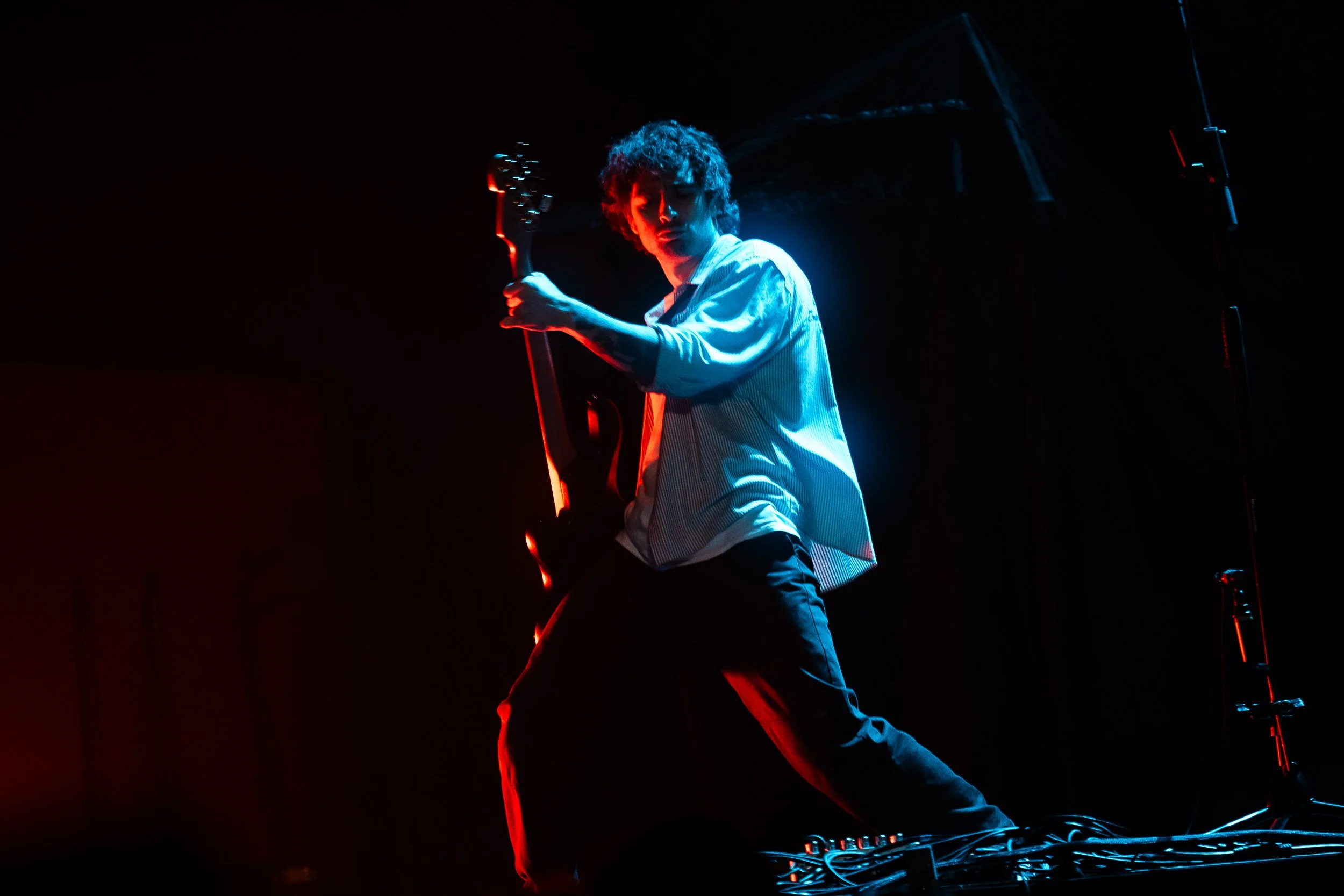
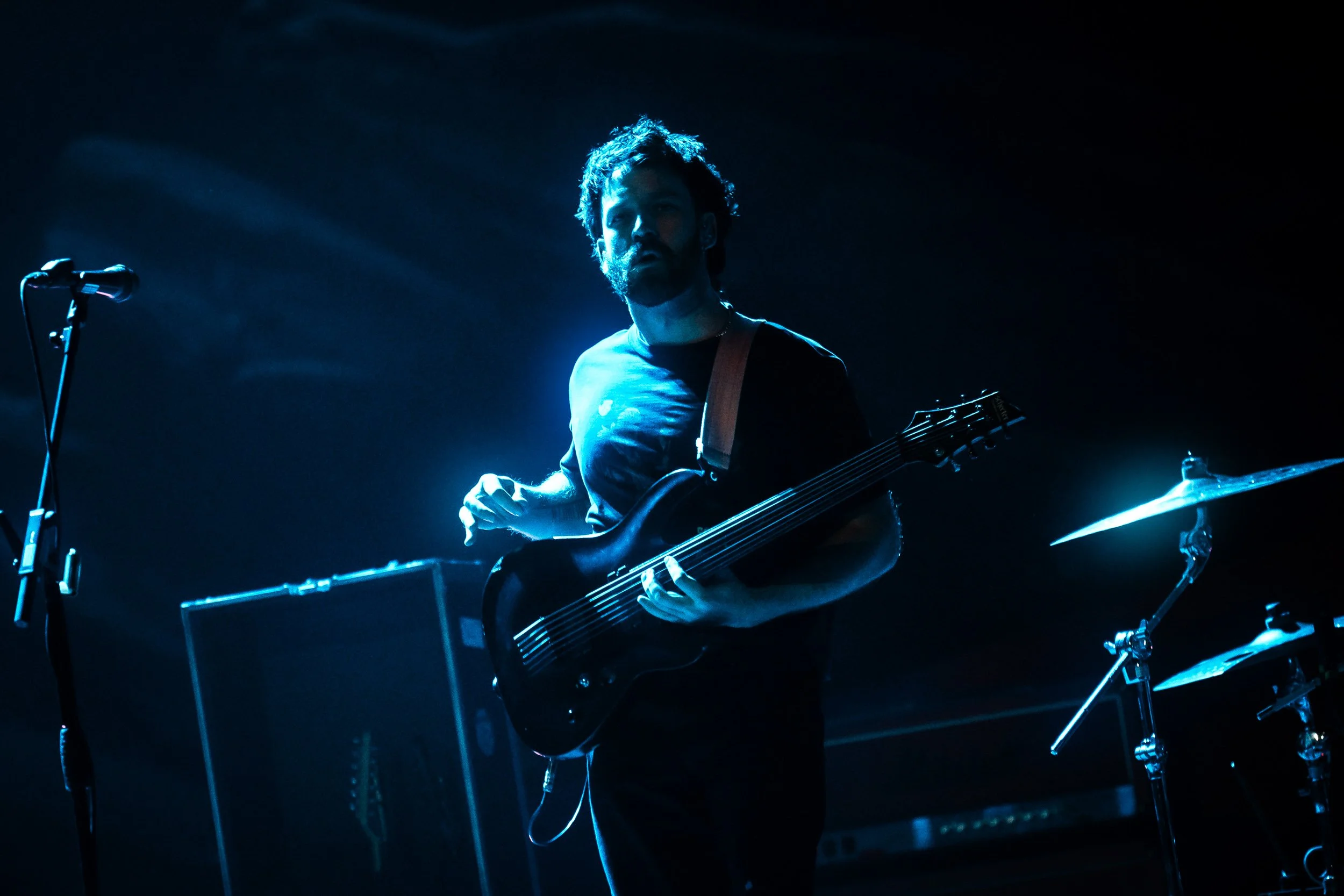
First, though, came London 4-piece bitterpearl, whose expansive shoegaze-tinged grunge felt perfect to kick the evening off. Soaring, softer vocals floated above thudding bass, while the group’s instrumentals echoed around the arena. Each track — though, with a 20 minute set, there were only maybe four of them they had the time to tear through — seemed to demand a little more of the audience, the gentle beginnings gradually giving way to something far more forceful. By the end, you could almost feel your heart rate attempting to keep pace with the increasingly frantic percussion.
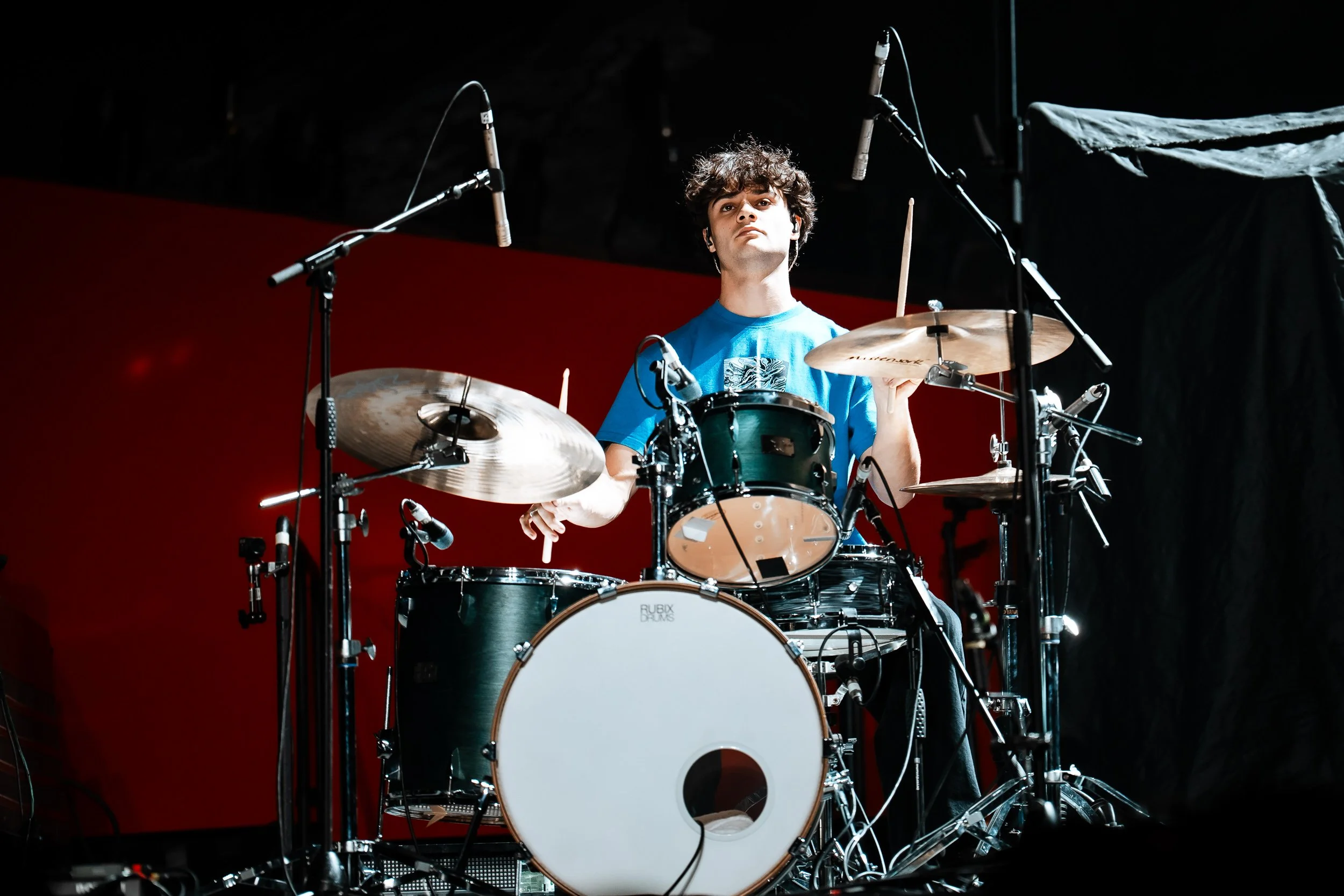
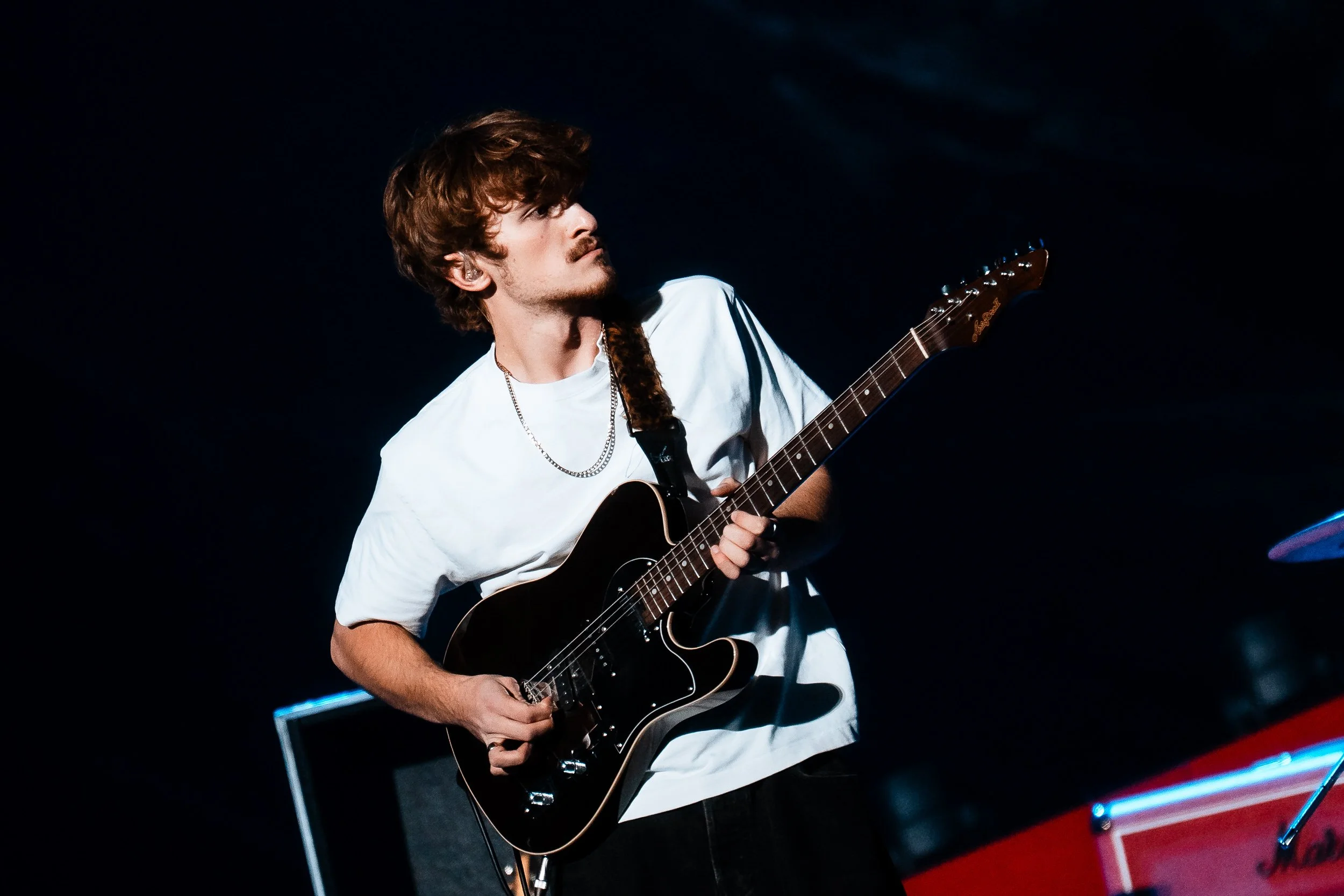
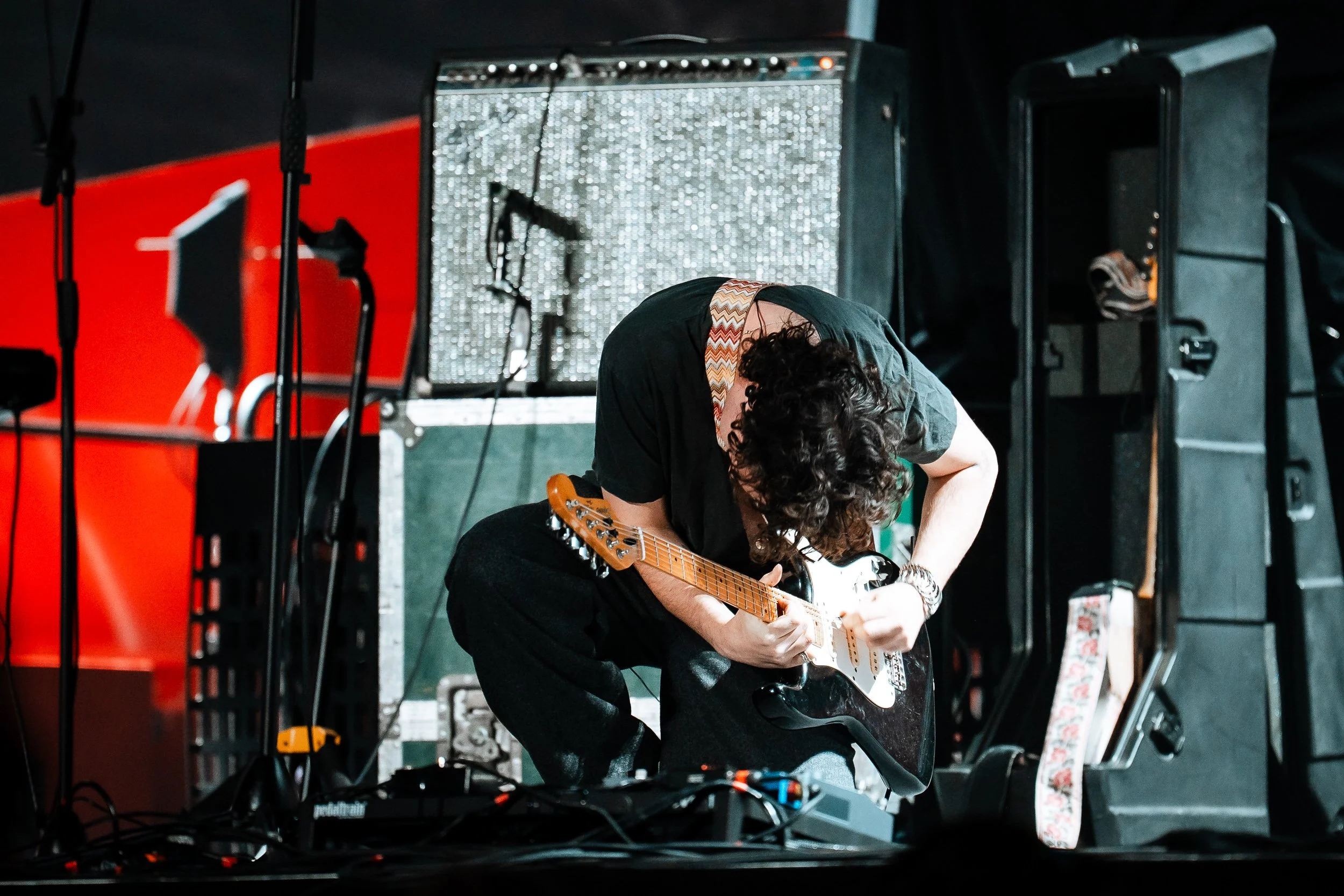
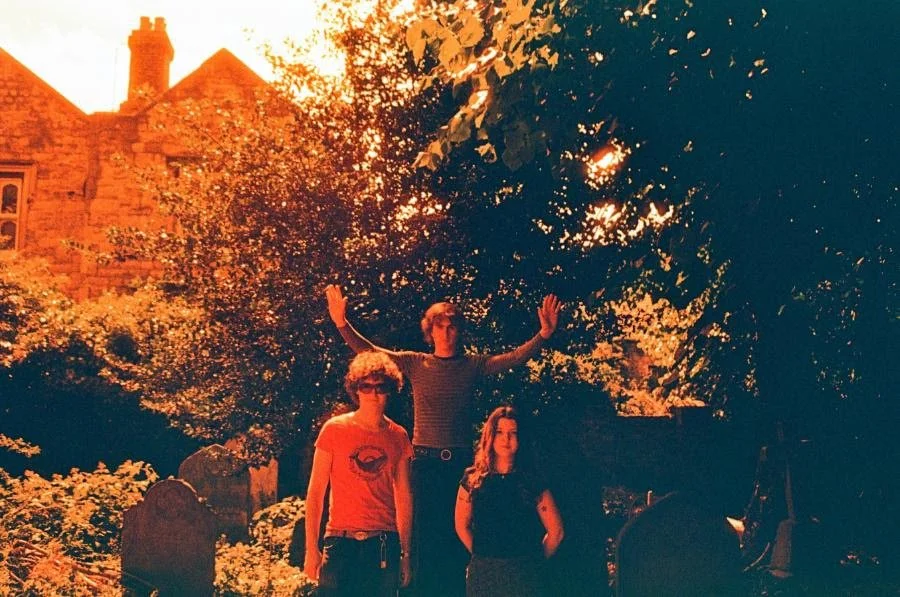
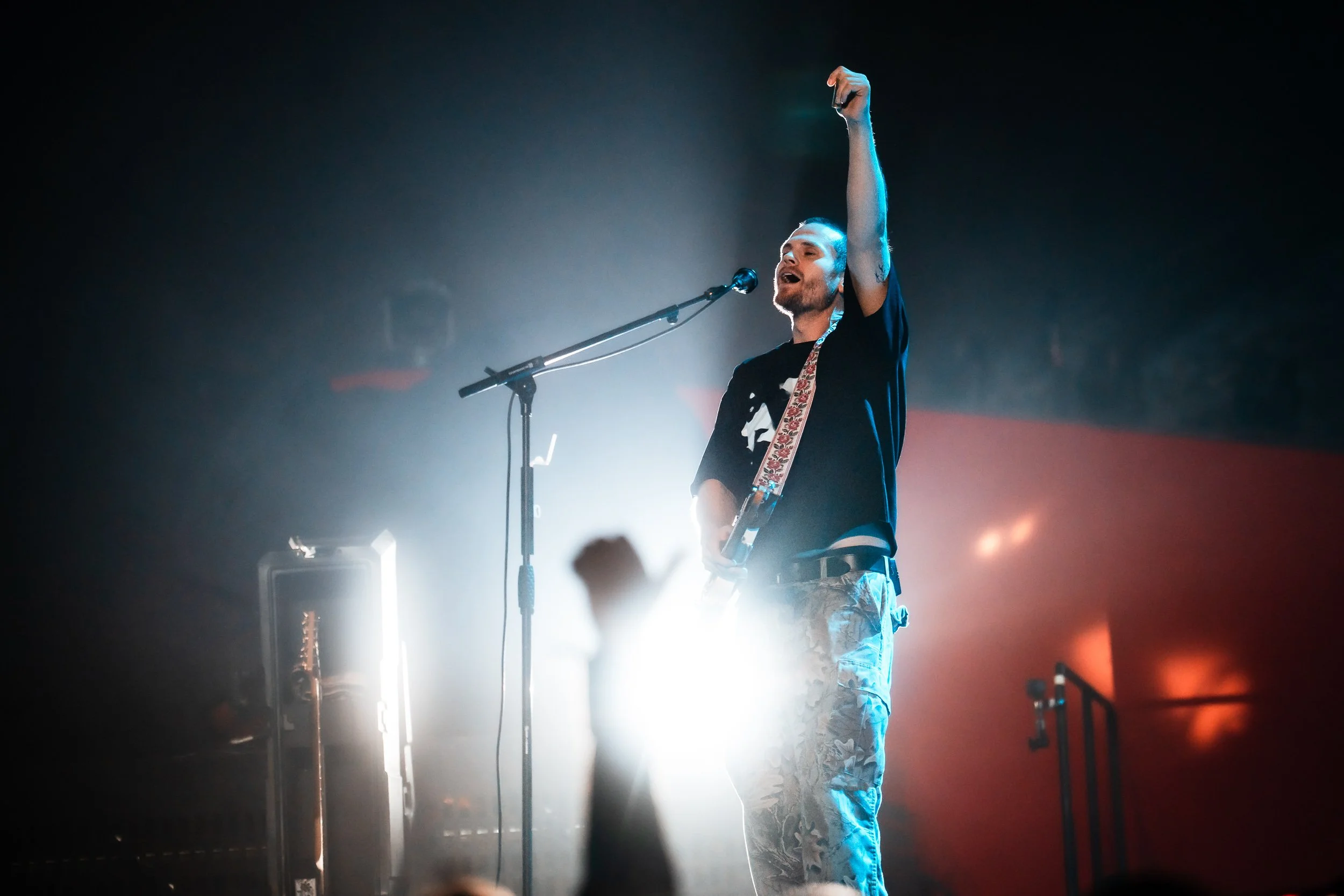
Dead Poet Society, the tour’s ’main’ support, feel a little like Muse’s natural successors. They’ve been throwing Muse covers into their sets for a while, after all, with a host of shows across Europe getting ‘Hysteria’ during the ‘Fission’ tour, and the group tearing through ‘Time Is Running Out’ in more recent months. Getting to see them sharing a stage with the band themselves, and thus getting to play to the sort of audience that they themselves deserved, felt right.
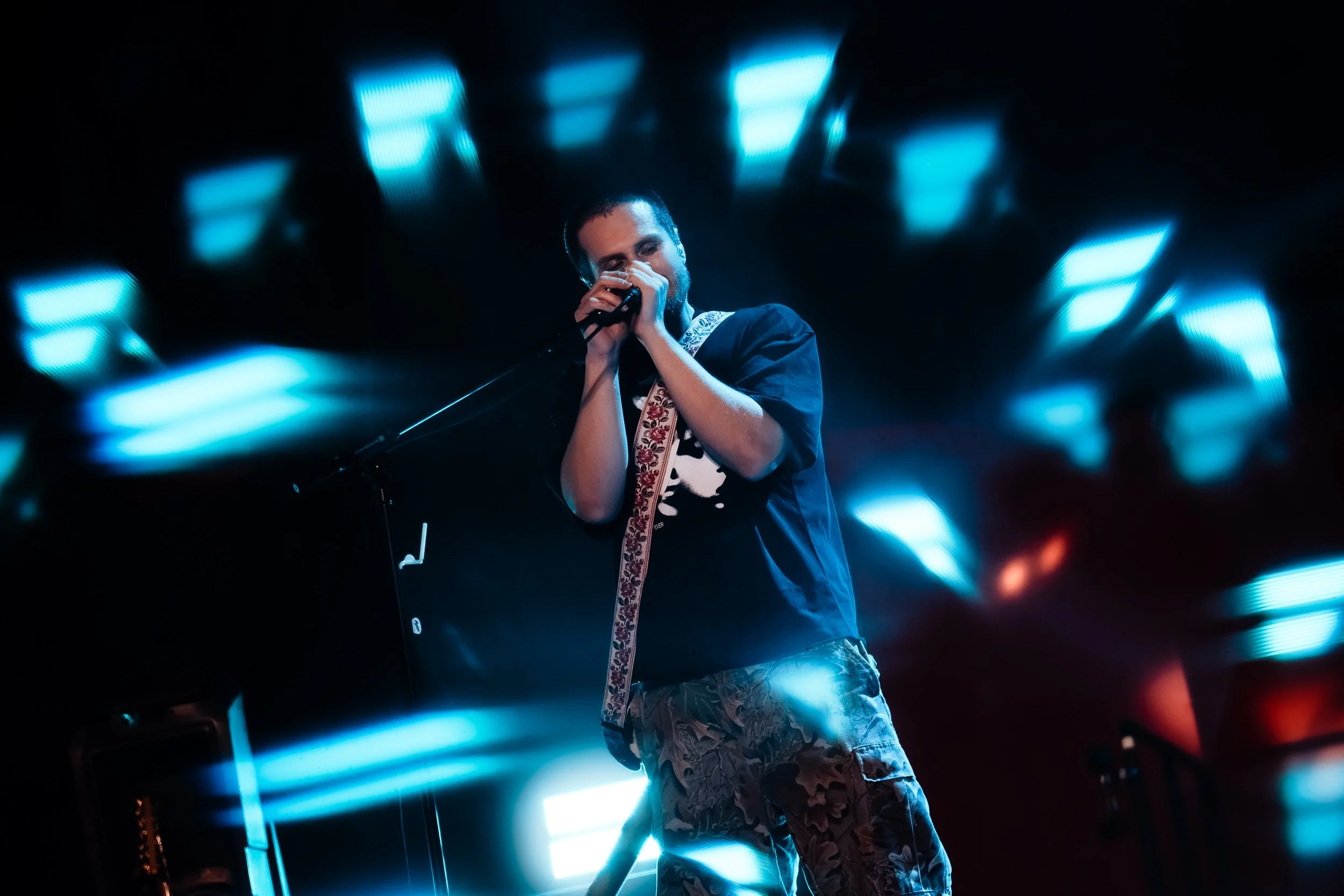
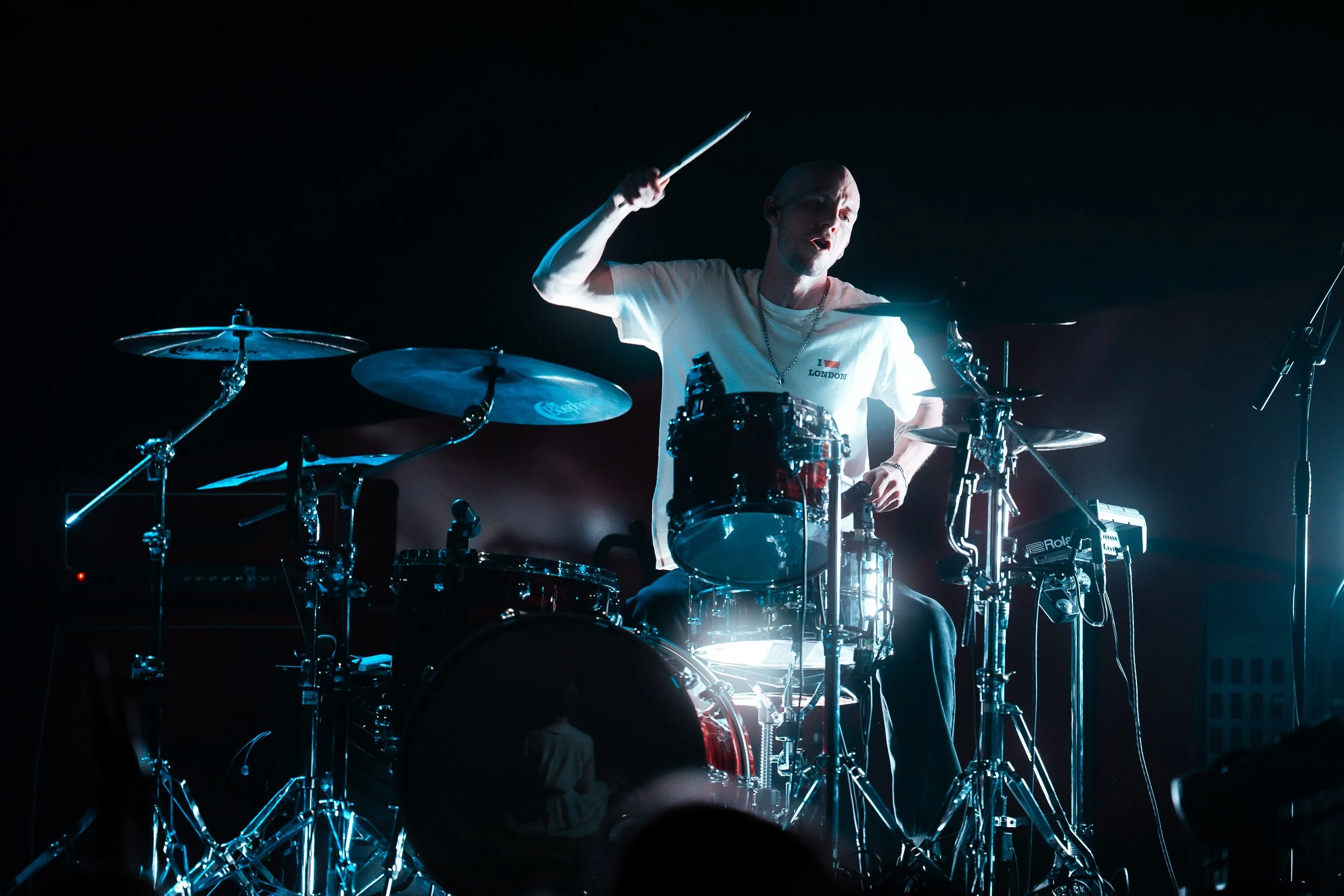
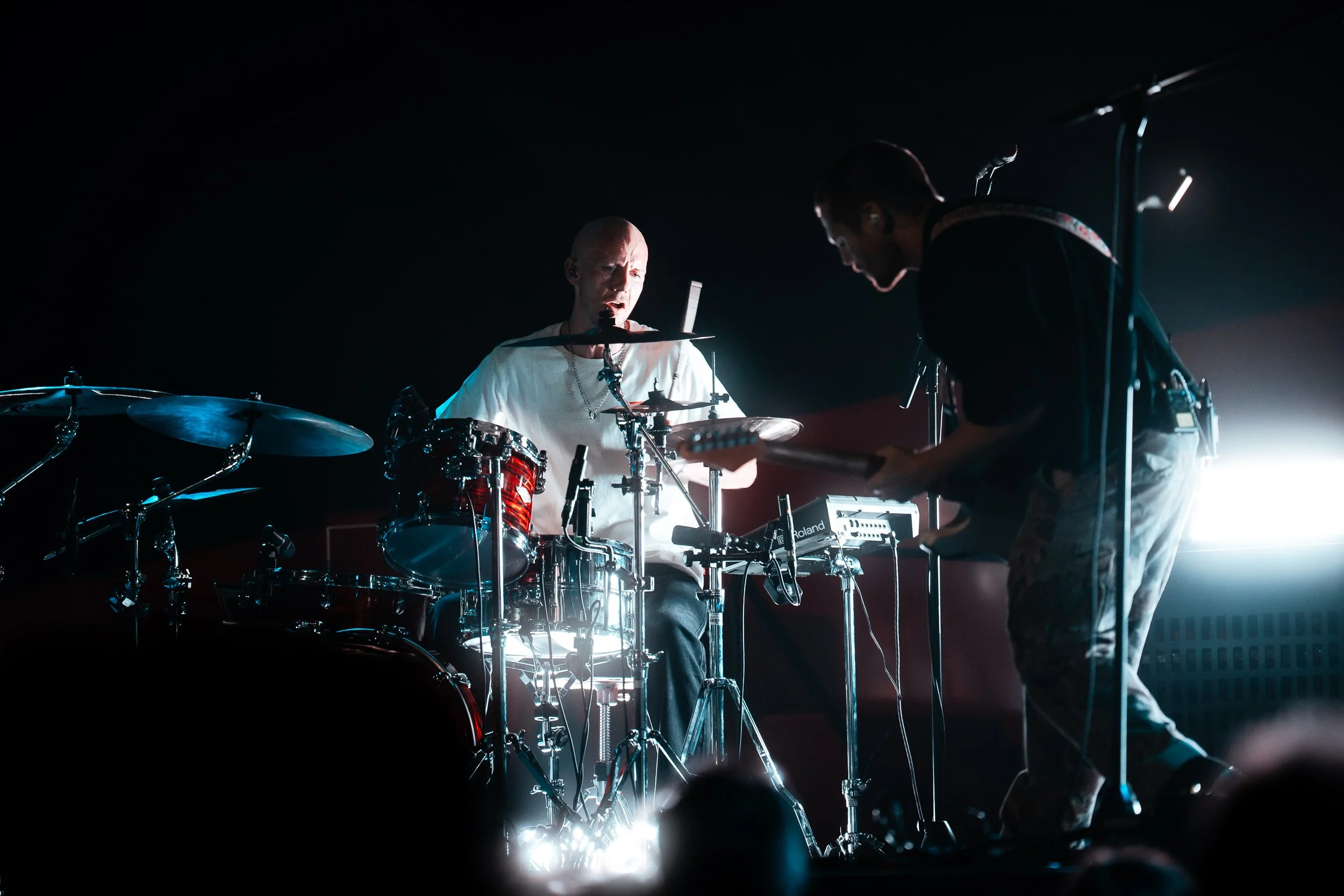
Opening with a trio of tracks from last month’s ‘Monarch’ — ‘Hollywood on Fire’, ‘Roach’ and ‘Cold’ — the group felt suitably massive in the arena, Jack Underkofler’s insidious falsetto over pounding instrumentals. It was an incredibly well-curated set, every facet of Dead Poet Society’s musical identity shown off to the fullest extent — the bluesy rock, the pitched shouts, the falsetto, the soaring croon, the simmering rage, the insidiously menacing, the anthemic sing-alongs, everything.
And now? Muse.
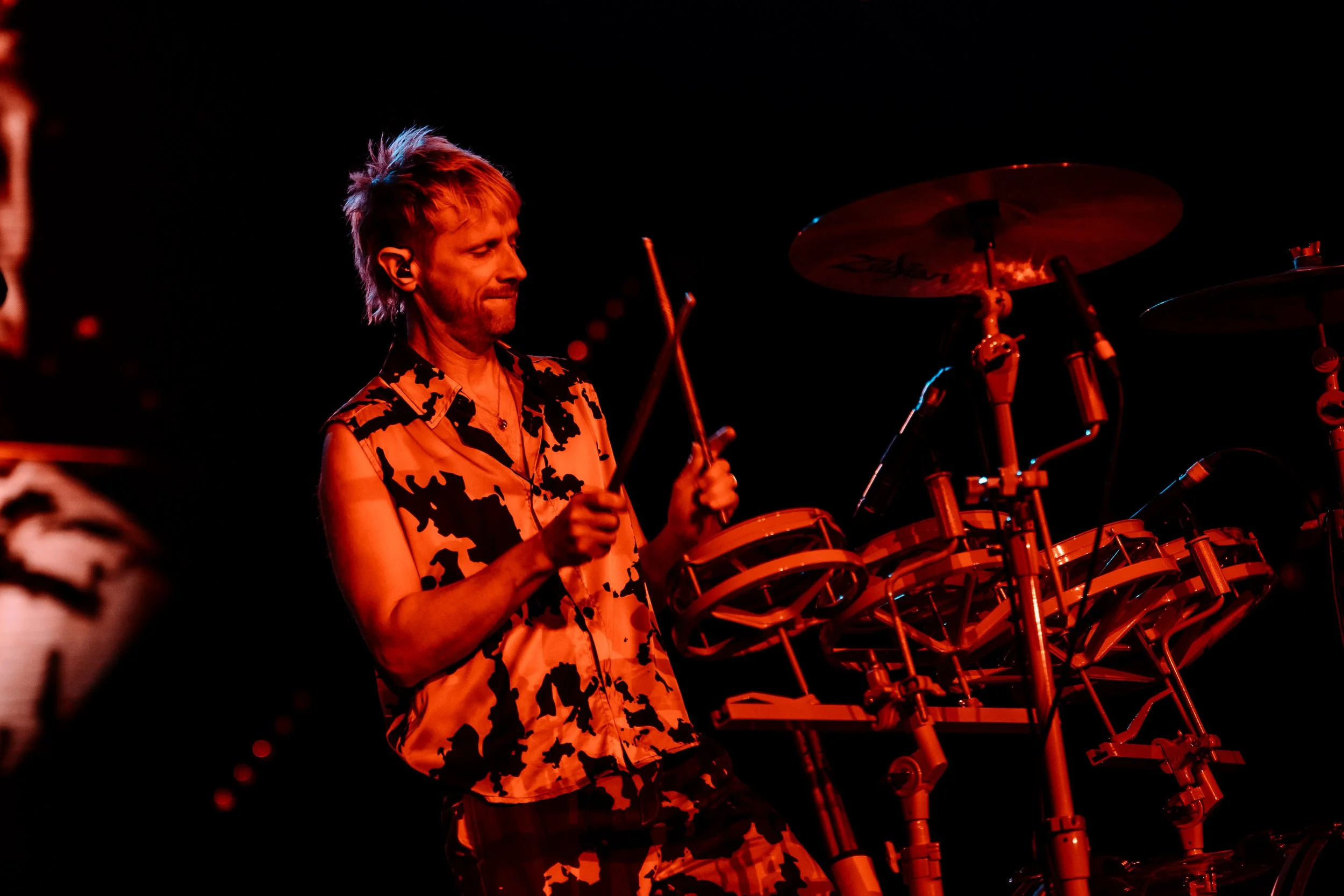
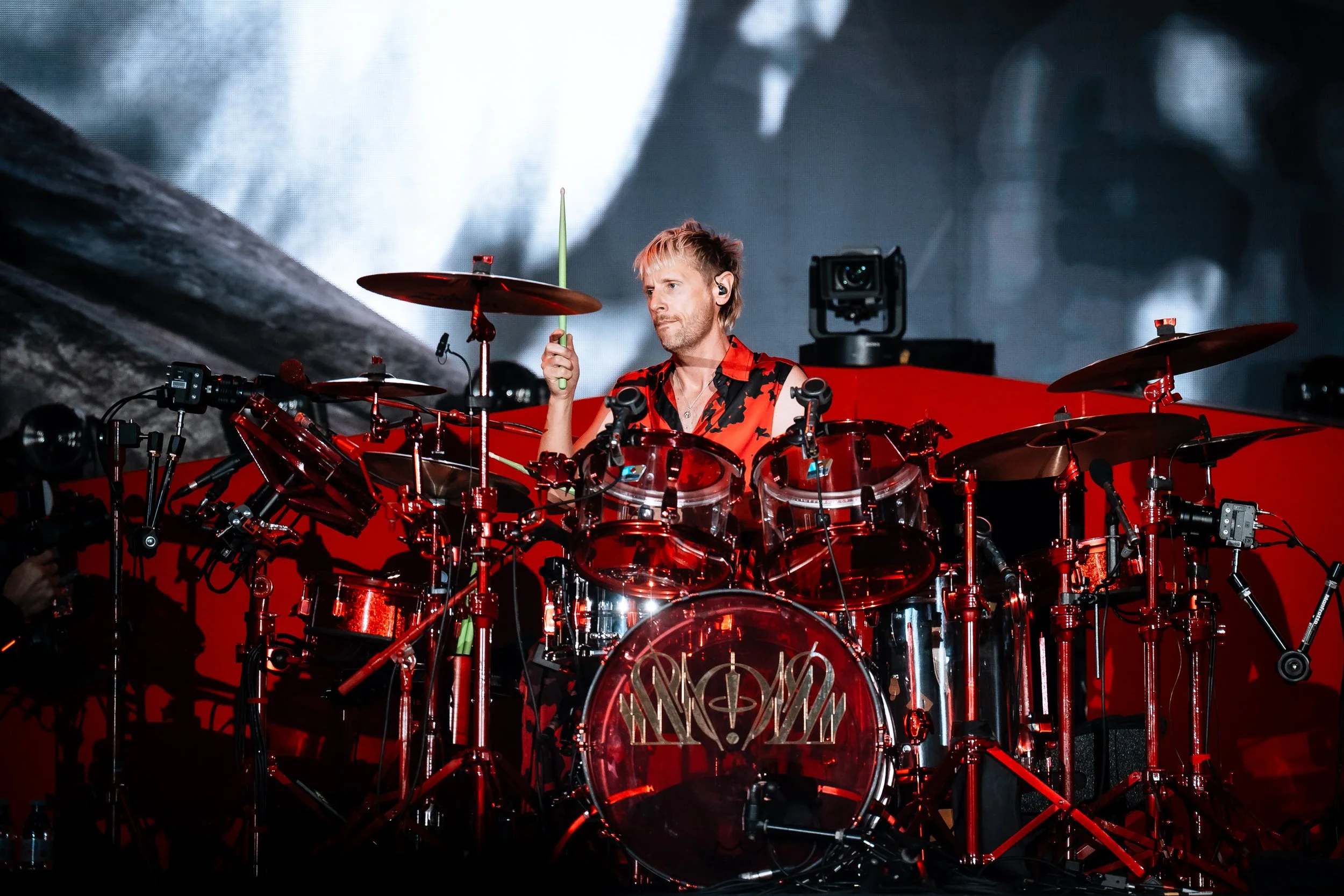
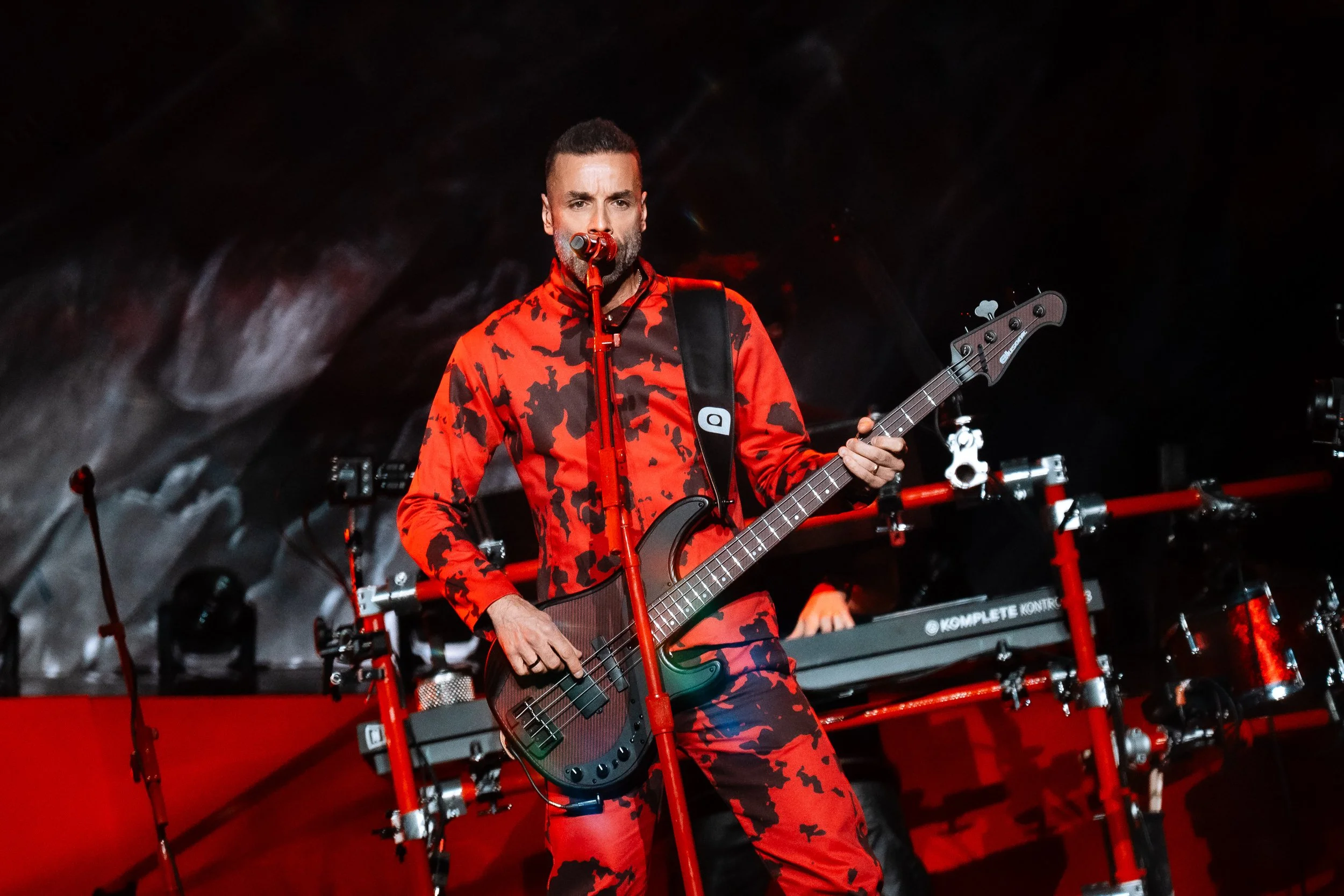
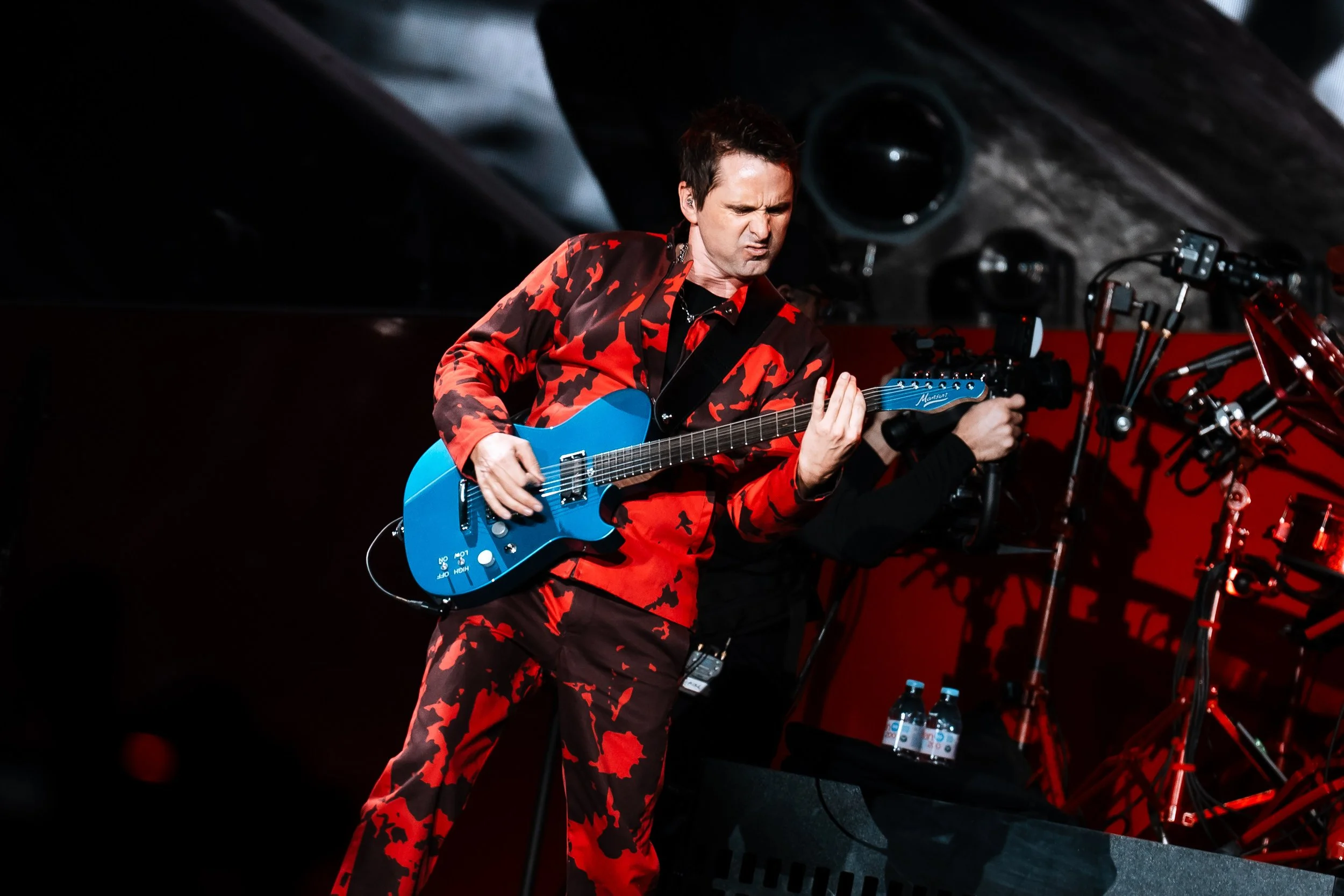
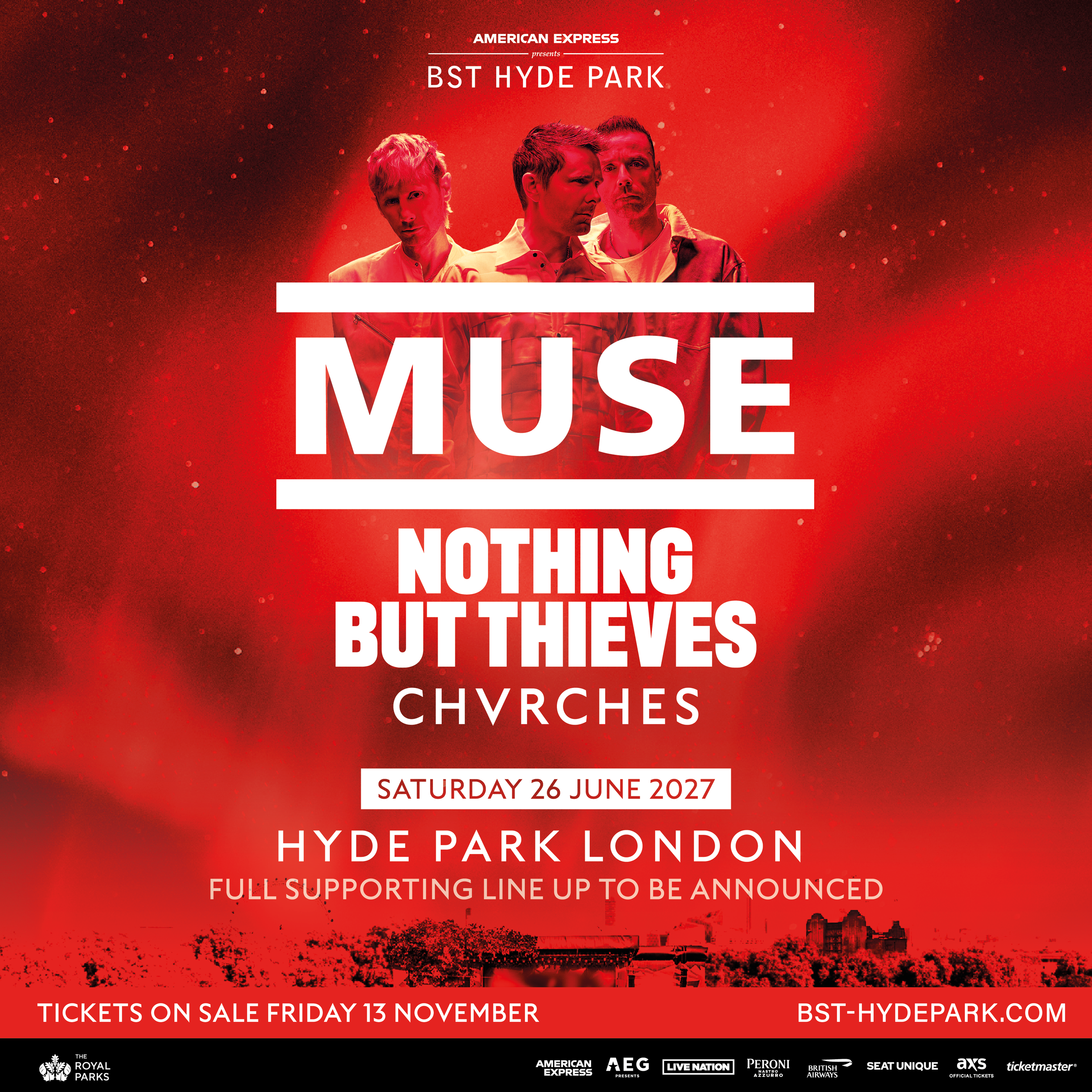
With the band set to play some sizeable UK dates next summer — including Blackweir in Cardiff, Roundhay Festival in Leeds, and BST Hyde Park on 26 June — everyone present knew what an honour it was to see Muse in the O2. For the group’s 15th time there, sure, but still. How different each era feels, the wonders of the stage show, and just what Matt Bellamy and co. have cooking is always one hell of an occasion.
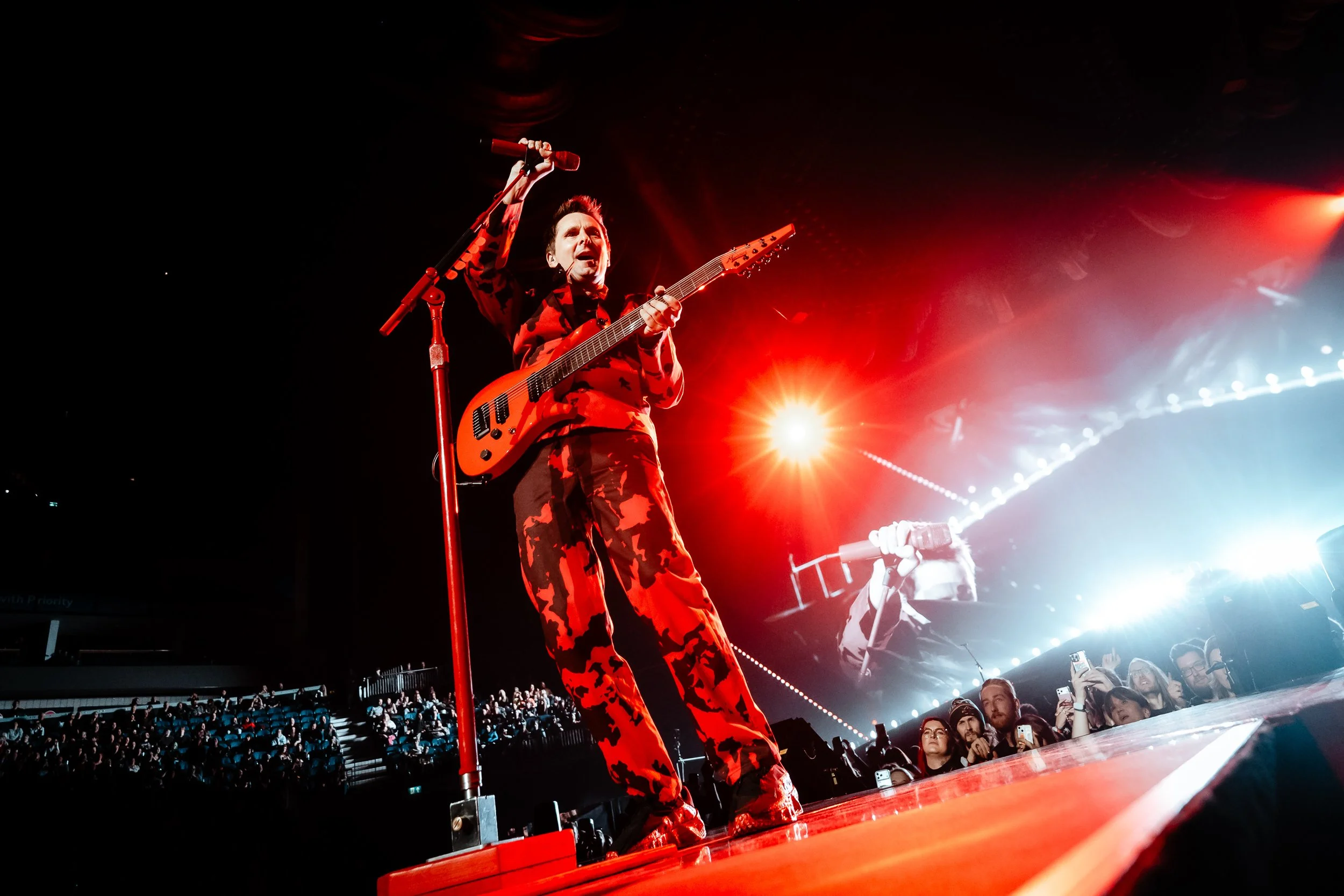
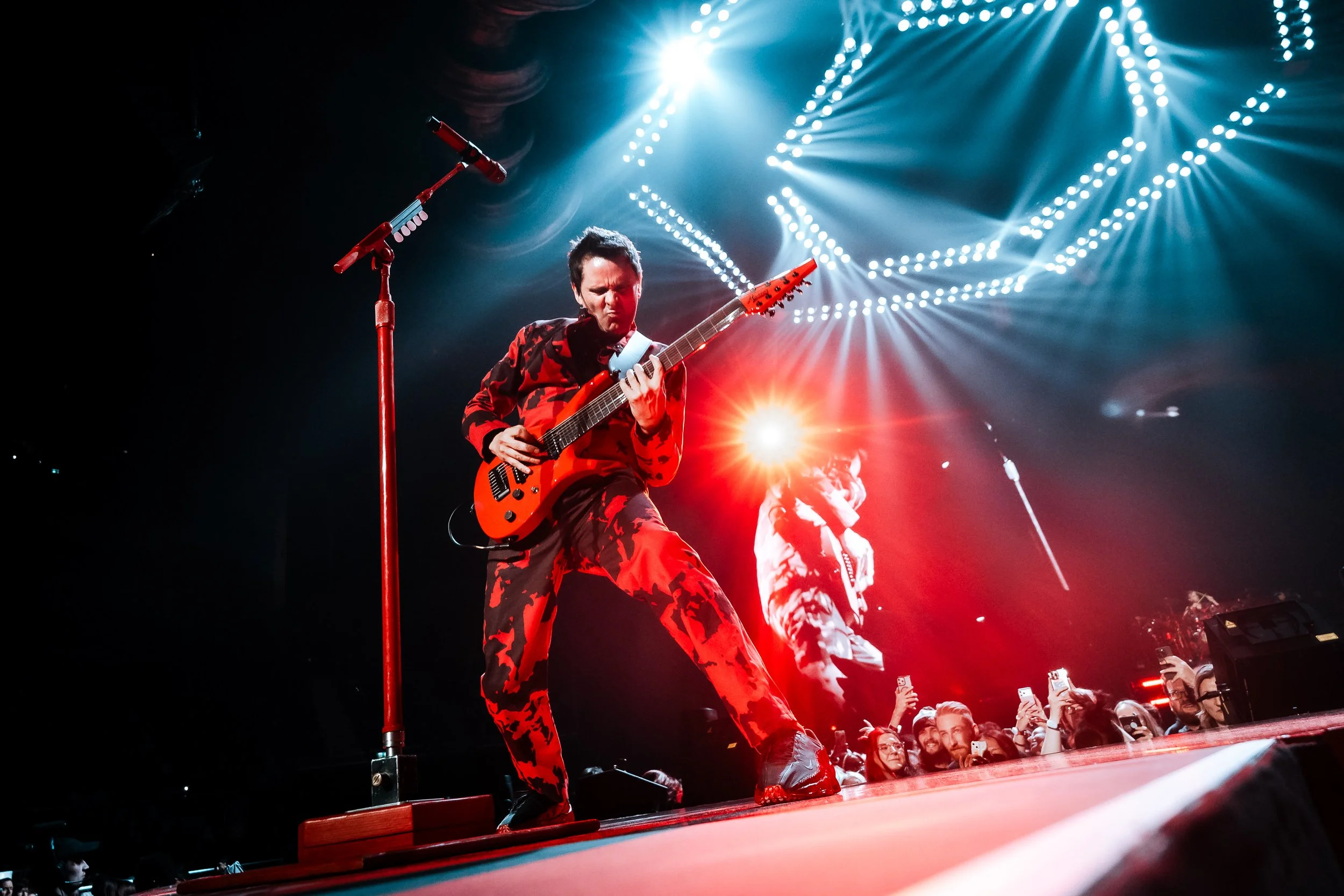
Emerging from a trapdoor at the end of the lengthy walkway, imprisoned by a prism of light, Bellamy felt like some monumental, historical figure with the gasps and shrieks of the crowd. That distinctive, sultry croon of his blended with the impassioned guitar riff of opener ‘Hexagons’ to essentially soundtrack an epileptic’s worst nightmare; the lighting was ridiculous, your head on a swivel as if at a Wimbledon game, desperate to take everything in.
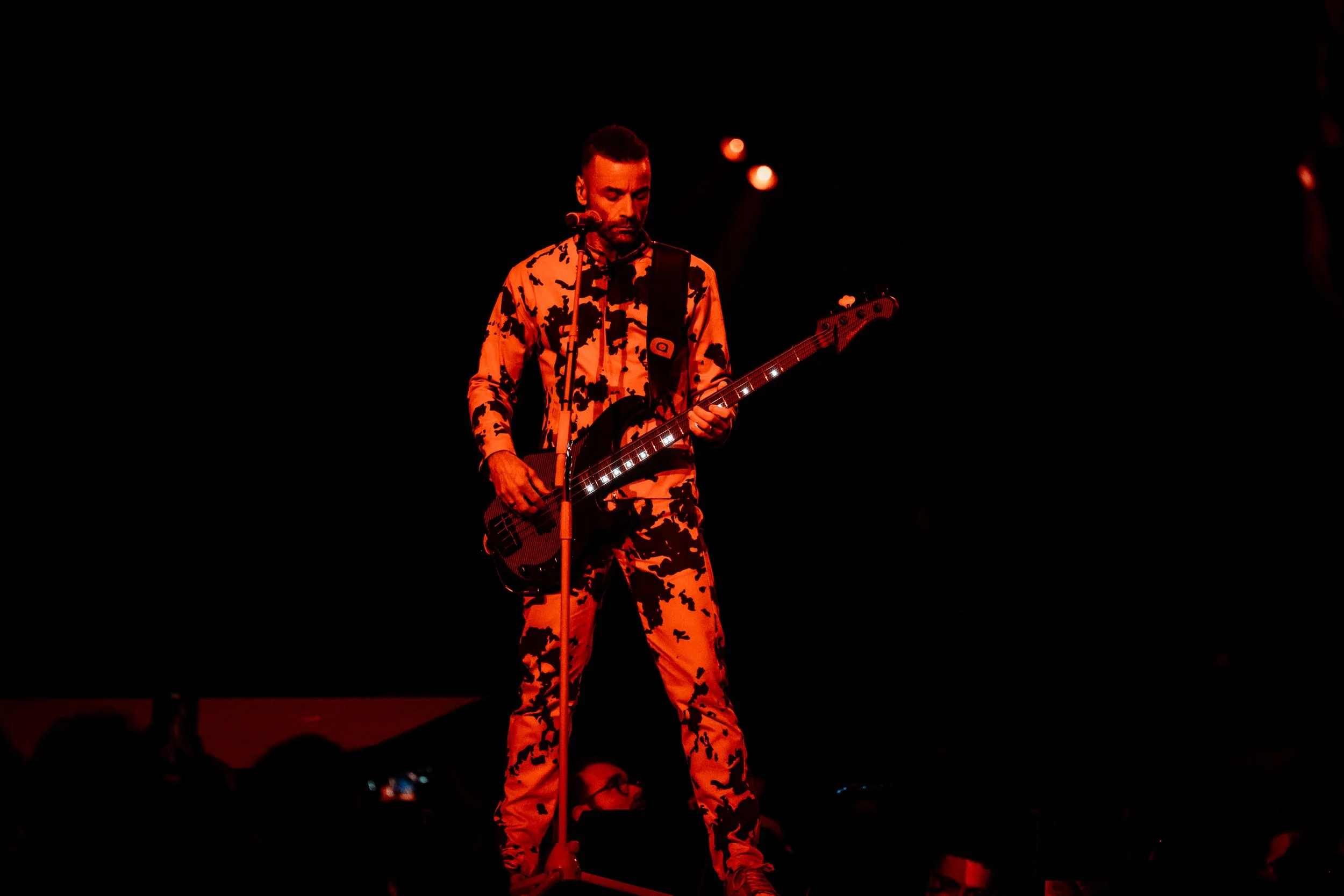
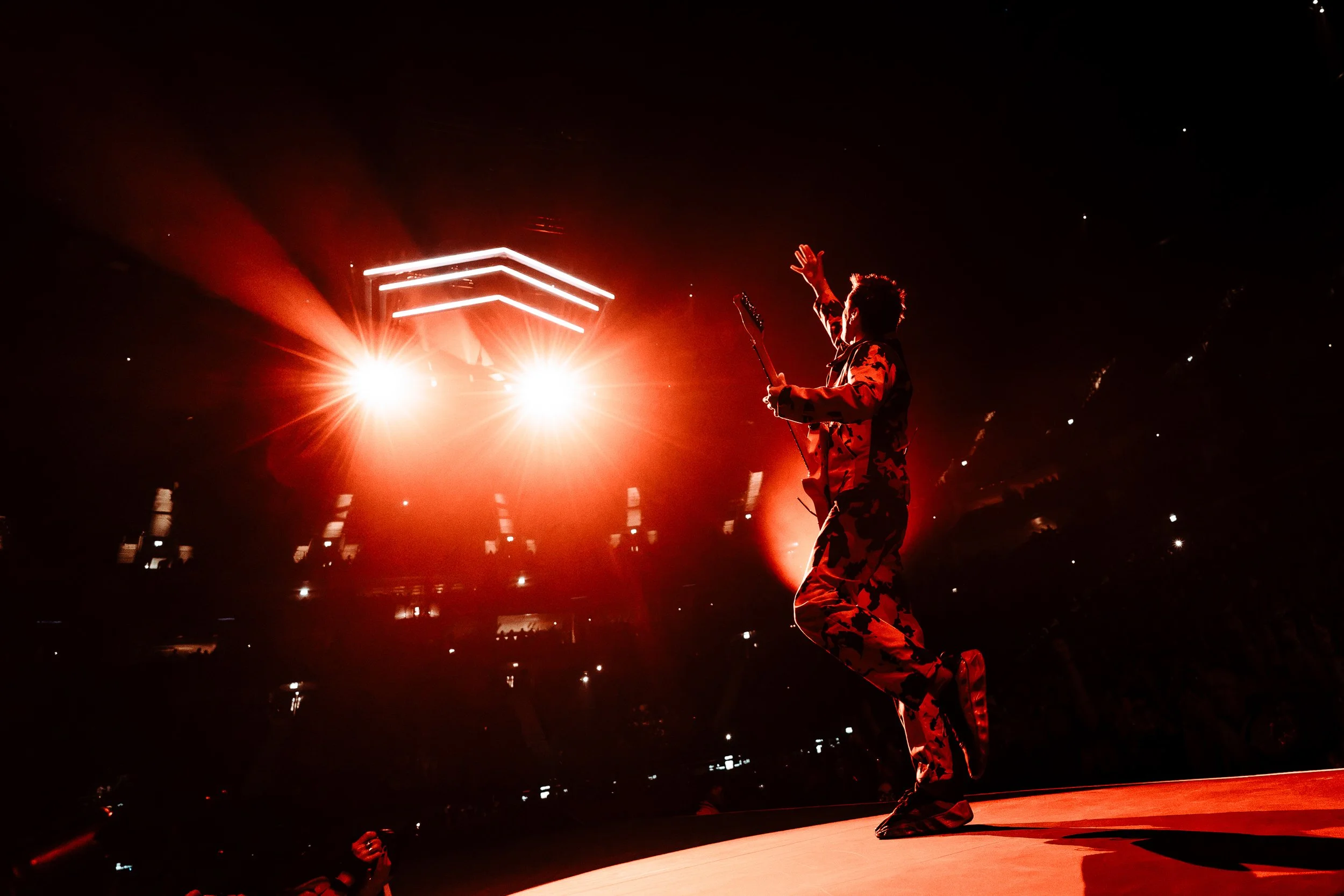
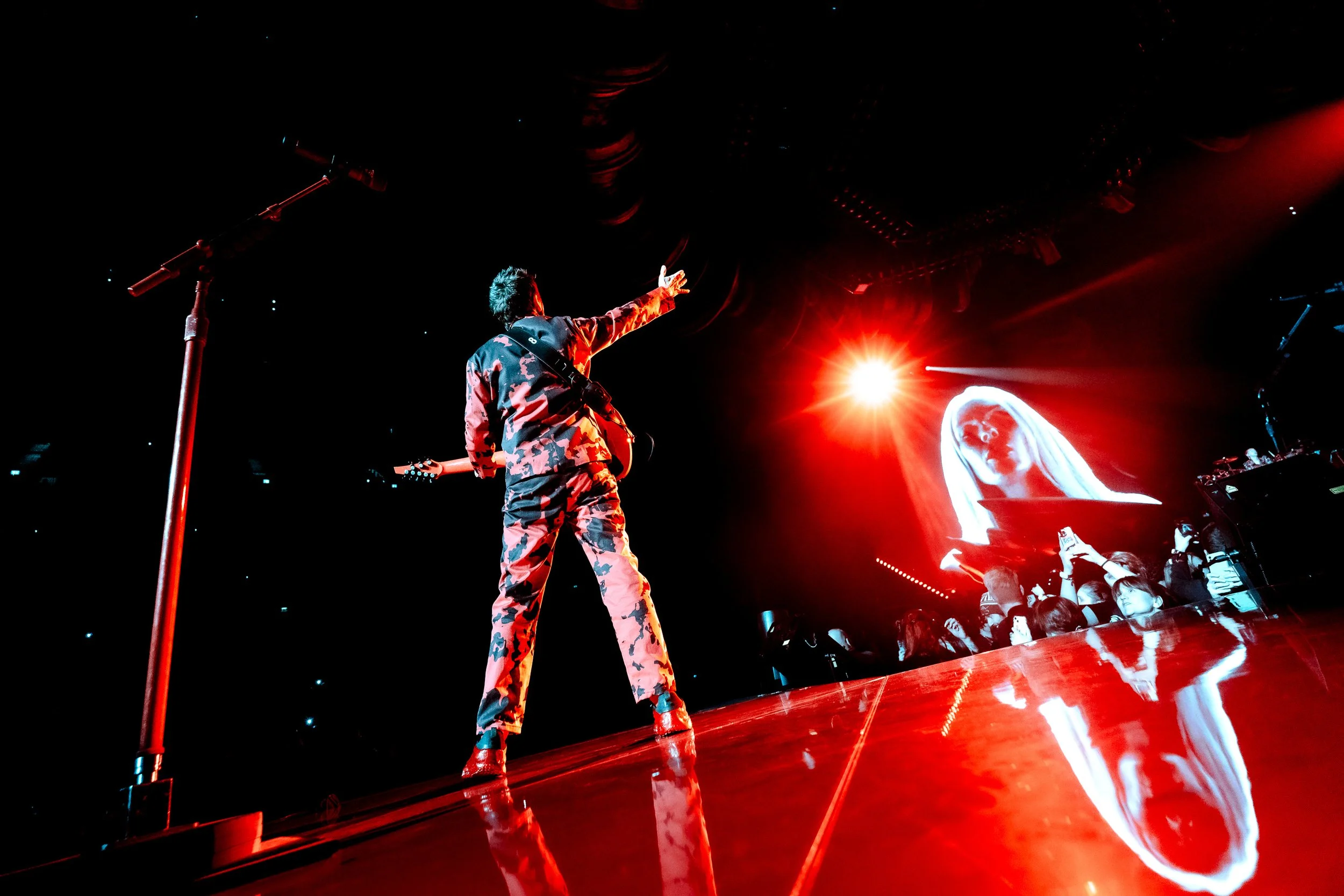
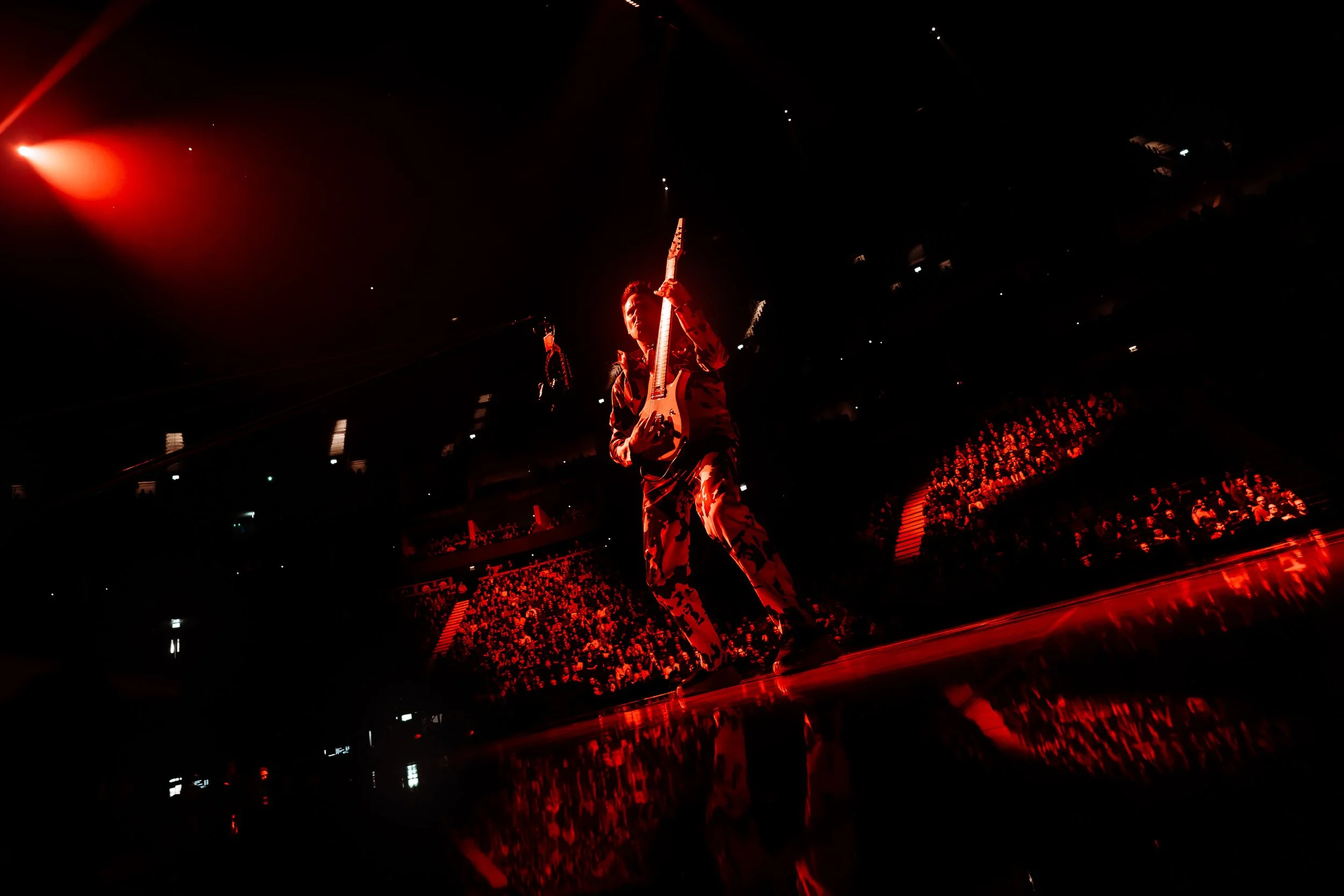
Early on, the darkly theatrical ‘Hush’ got its live debut, Ellie Goulding’s visage plastered on the screens as her part was provided on speakers. ‘Hysteria’ felt like a game of reverse dominoes, the rows on the balcony progressively tipping each other upright, even as Bellamy pumped and waved his guitar: half a revolutionary leader with a flag and half an over actor hypnotised to play the air guitar. A frosted over backdrop, roaring waterfalls and torrents of lava imprisoned by ice gave way to ‘Cryogen’, although the visuals paled in comparison to the colourful array of stars sucked into the void of ‘Supermassive Black Hole’. The sinister, otherworldly ‘The Dark Forest’ continued the extra-terrestrial theme, the orchestral parts and Latin chants feeling all-encompassing in the suddenly-small feeling room. The crowd’s wristbands suddenly lit up during ‘Be With You’, a beautiful contrast to the phone flashlights lighting up around the venue during the emotional track, while ‘Psycho’ and ‘Madness’ kicked the crowd into overdrive, even as Chris Wolstenholme broke out his custom double neck bass-and-digital-synthesiser for the latter. The crowd’s shouts only got louder as Bellamy started the dignitary squeals of ‘Plug In Baby’, the oldest track of the night, while ‘Uprising’ almost didn’t need vocals at all with the O2’s feverish volume. ‘Knights of Cydonia’ felt as evocative as ever, the crowd screaming along, and the futuristic, wrap-around sunglasses came out for ‘Nightshift Superstar’, Bellamy’s jacket flashing neon like a dystopian, living billboard during what could easily be a future club classic.
But everything paled in comparison to ‘Starlight’.
A stunning song anyway, a barely lit venue suddenly burst into colour with the twinkling wristbands of thousands of fans, a night sky made tangible. There was something touching about the beauty on display, the cathartic sense of community as Muse suddenly ballooned to a 15,000 strong orchestra rather than a three piece, and there were a fair few wet cheeks on the adoring faces surrounding the stage.
The subsequent encore of ‘Take A Bow’ didn’t feel like a letdown per se, it was just one hell of a tough act to try and follow. A final crescendo of streamers and lights let the band burn through the rest of their production budget, though, one final flourish of extravagance to fully cement Muse as one of the best live bands to do it.
Personally, that was my first Muse show. It definitely won’t be the last.
Words by James O'Sullivan
Photos by Abigail Shii