Festival Review: Brick Lane Jazz Fest // April 2026
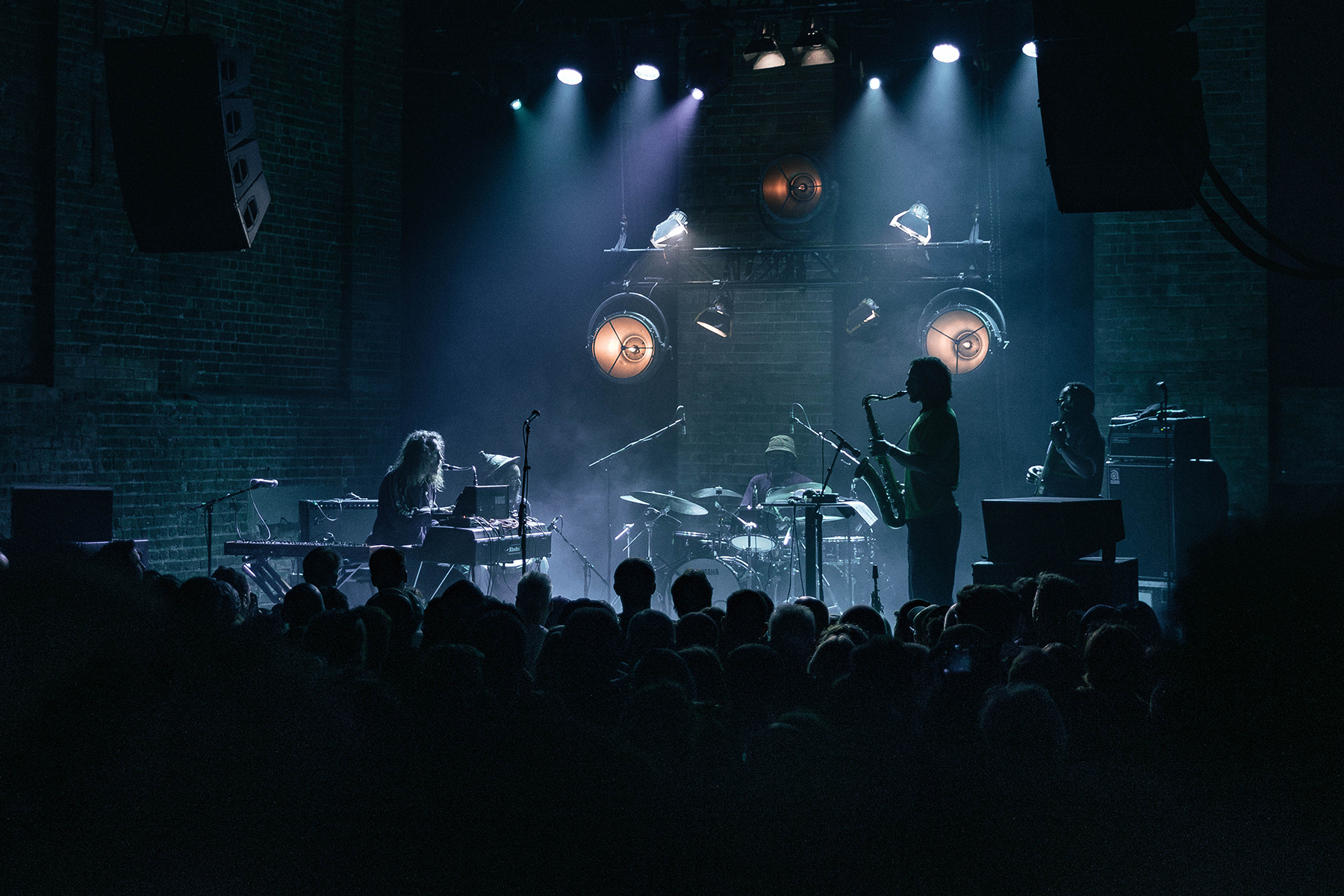
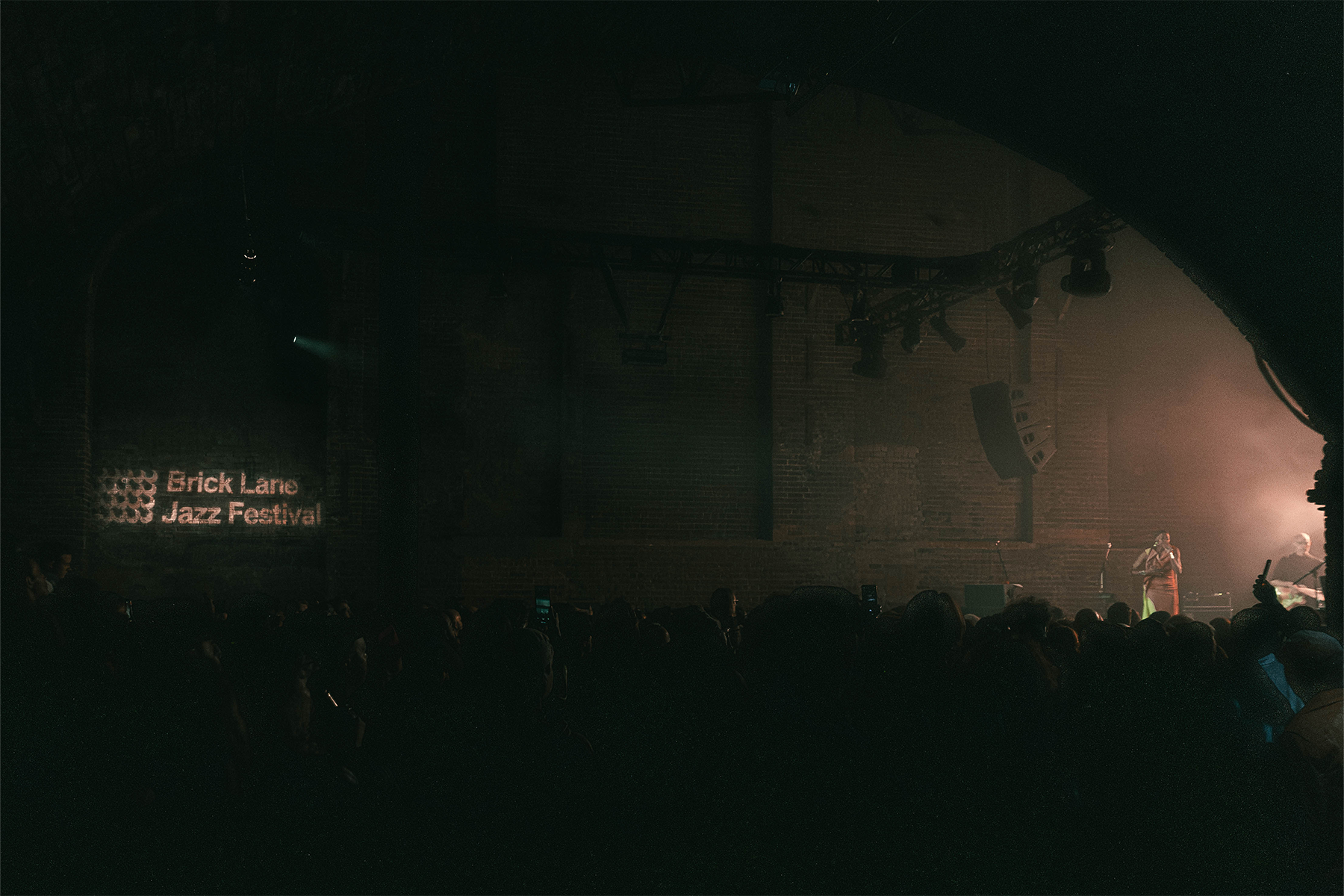
Wandering between the dimly lit cavern of Village Underground, the vinyl-clad walls of Rough Trade East and the cosy Ninety One Living Room, Brick Lane was alive with immense musical talents, an infectious quality of joy pervading across each stage and spilling out onto crisscrossing streets flooded by festivalgoers. As the fifth iteration of London’s premier jazz festival descended in and around The Truman Brewery, it was the East London multi-venue festival’s largest year to date. As well as a stellar genre-bending line-up of underground stars and the biggest talents from across the UK and international jazz scenes, this year’s programme was also expanded with the addition of a conference series of talks, workshops and mentorship sessions, tying together the festival’s status as a forward-thinking hub of rising talent and melting-pot vibrance.
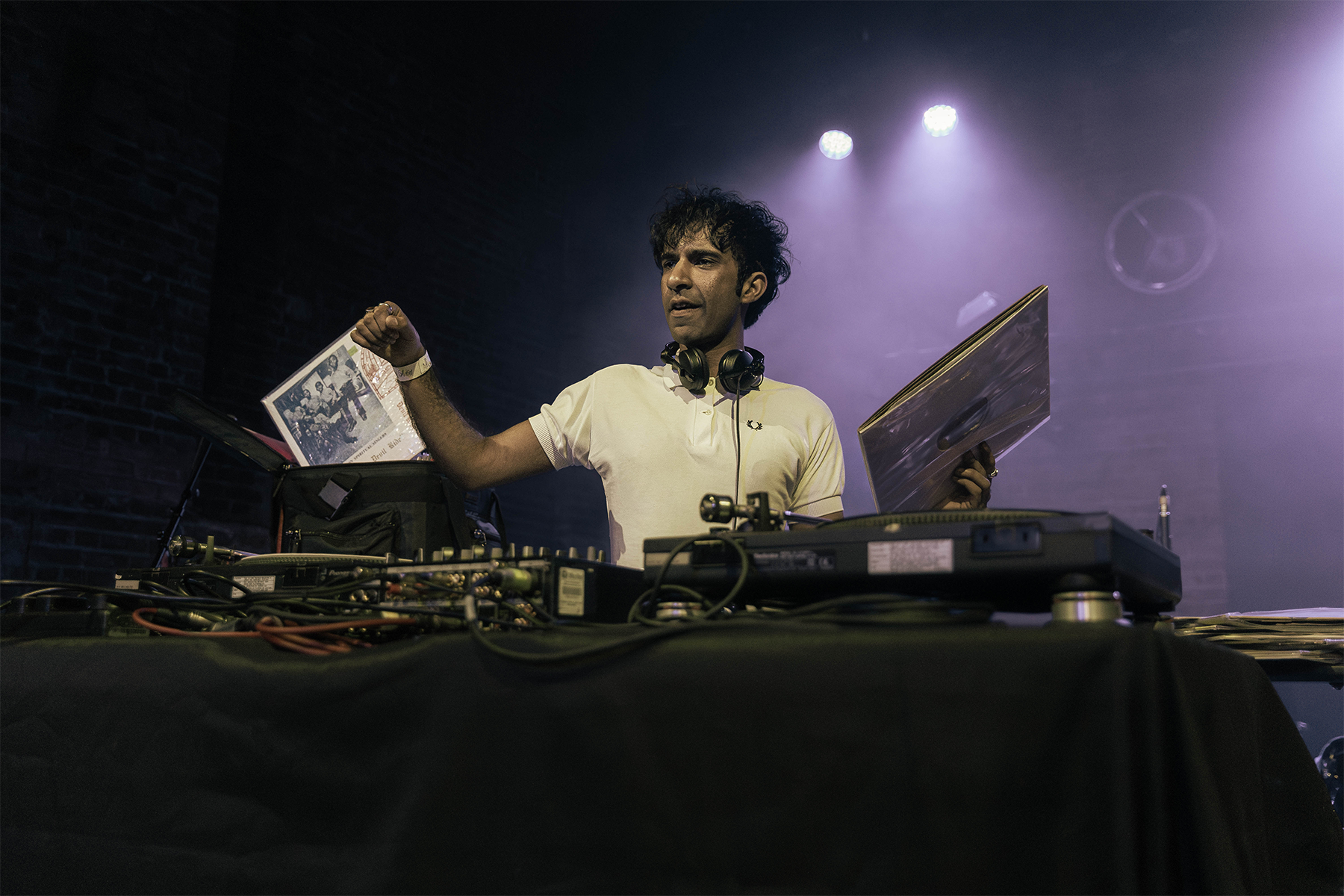
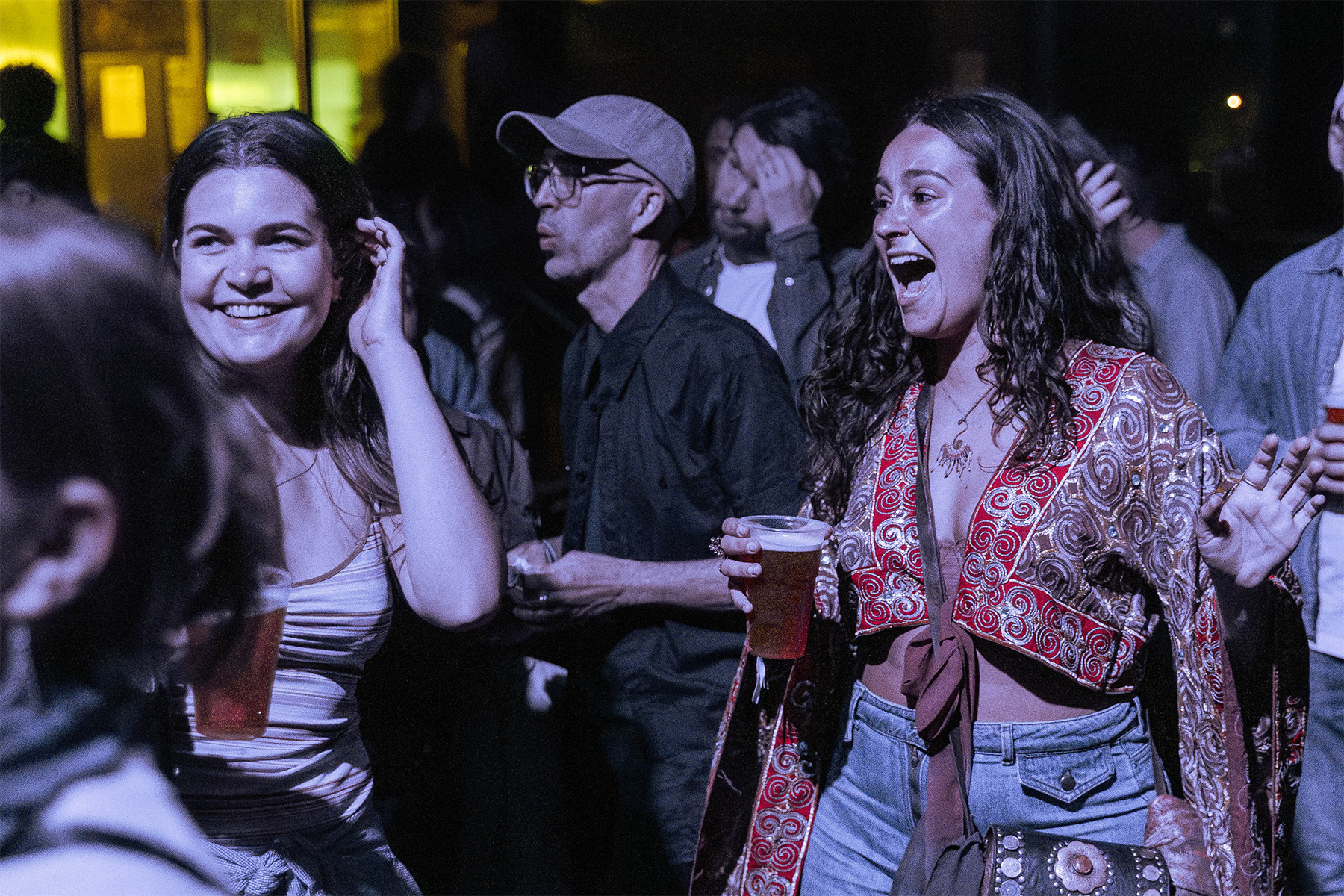
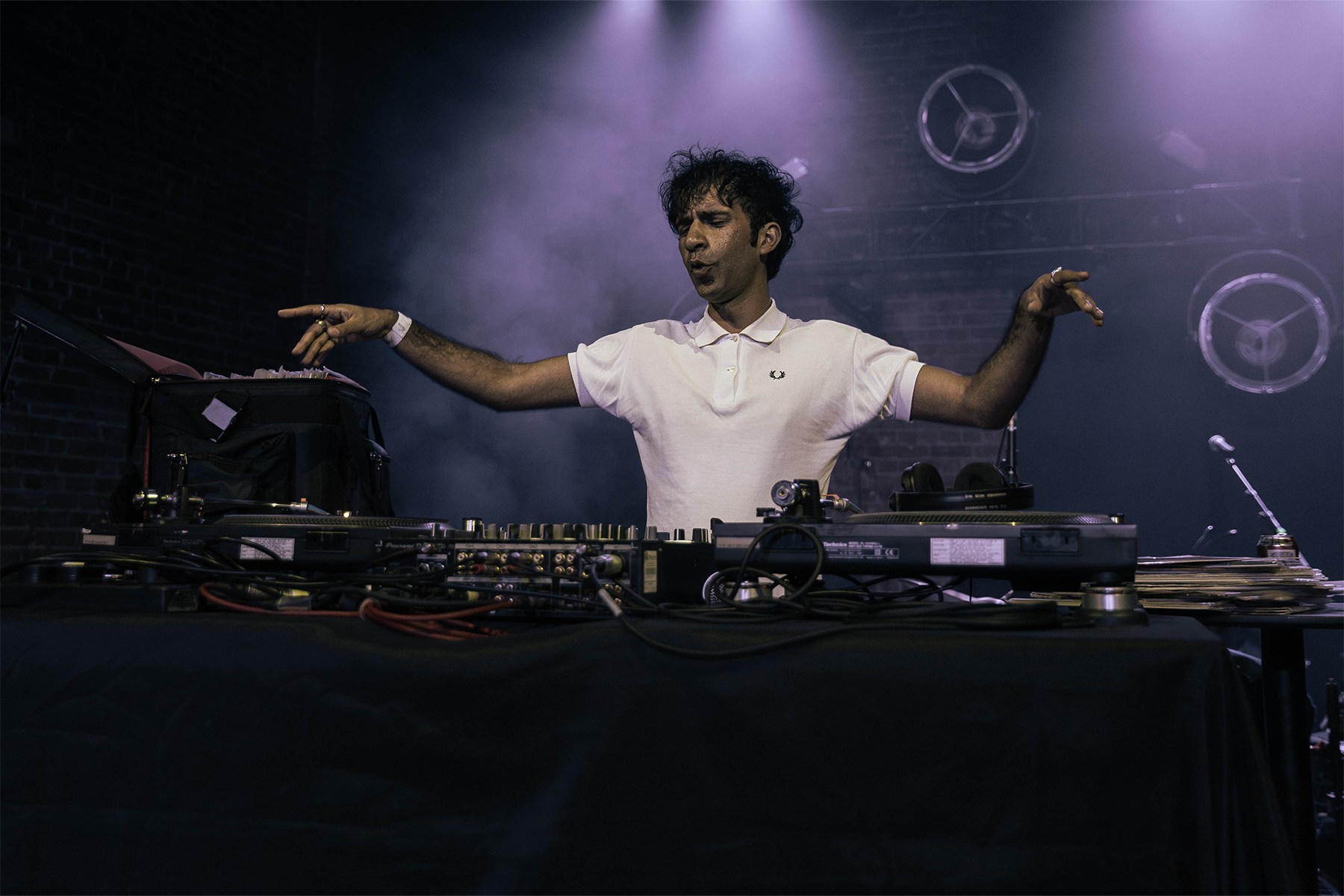
With Irish, Jewish and South Asian (particularly Bengali) communities flourishing in the area following waves of immigration that date back to the 17th century, Brick Lane’s history of multiculturalism manifested itself in an incredibly diverse lineup with many ties across cultures and diasporas. Nowhere was this more prominent than on Friday night, when Rohan Rakhit took over 93 Street East with an impeccably curated lineup paying tribute to the South Asian underground. Having approached the festival in 2024 over its lack of Bengali and South Asian representation, Rakhit’s second year curating a stage dedicated to South Asian diasporic rhythms was (with the exception of some bizarre technical issues on the venue’s behalf) an absolute triumph. His own set crowded the room with joyous, animated figures that danced to melodies bouncing from East London to Dhaka and Kolkata. With a set also blending in jazz and house, Rakhit’s crowdpleasing hour-and-a-bit behind the decks led into the gut-vibrating sounds of Midlands-born, Bristol-based dubstep producer Bengal Sound. Across the rest of the weekend artists explored similar webs of layered cultural identity and diaspora, from DJ and global storyteller Haseeb Iqbal’s Friday Village Underground set to the West Asian-infused jazz grooves of Yoni Mayraz at Juju’s on Sunday, and the eclectic cocktail of global underground sounds performed by Turkish artist Peki Momés at 93 Feet East on Saturday.
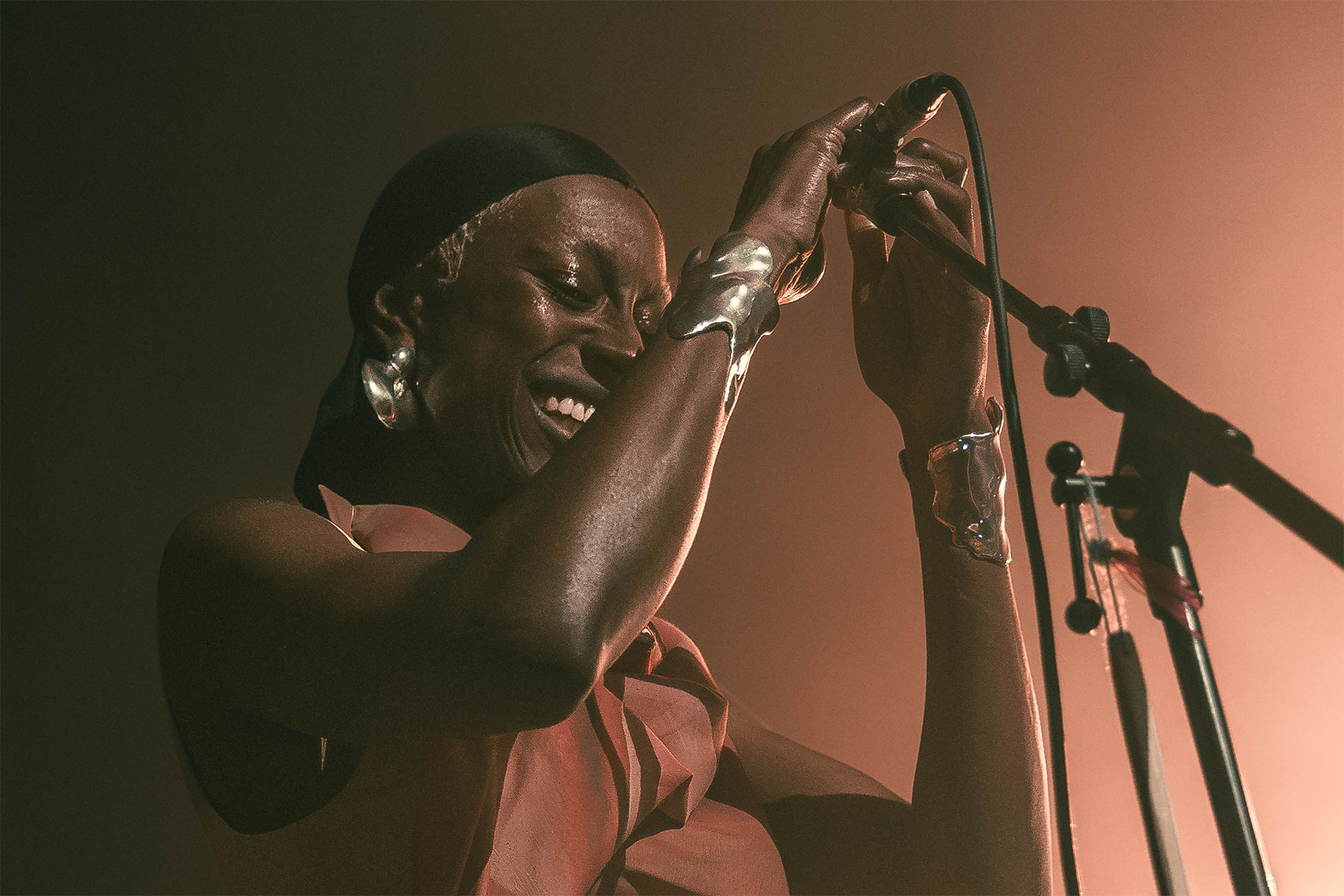
Friday Headliner anaiis & Grupo Cosmo carried their own unique journey within their Village Underground set, with the French-Senegalese singer discussing how she travelled to Brazil to create their self-titled mini-album with the Brazilian three-piece following sending them an unfinished version of ‘Toda Cor’. Their third show ever, and their first in Europe, anaiis’ airy melismas created a dreamlike atmosphere over the pulse of drummer and percussionist maestro Biel Basile. After the “meditative, transcendent section of the set”, the dramatic intensity of work-in-progress track “Change is Needed” was received with thunderous applause at its menacing finale.


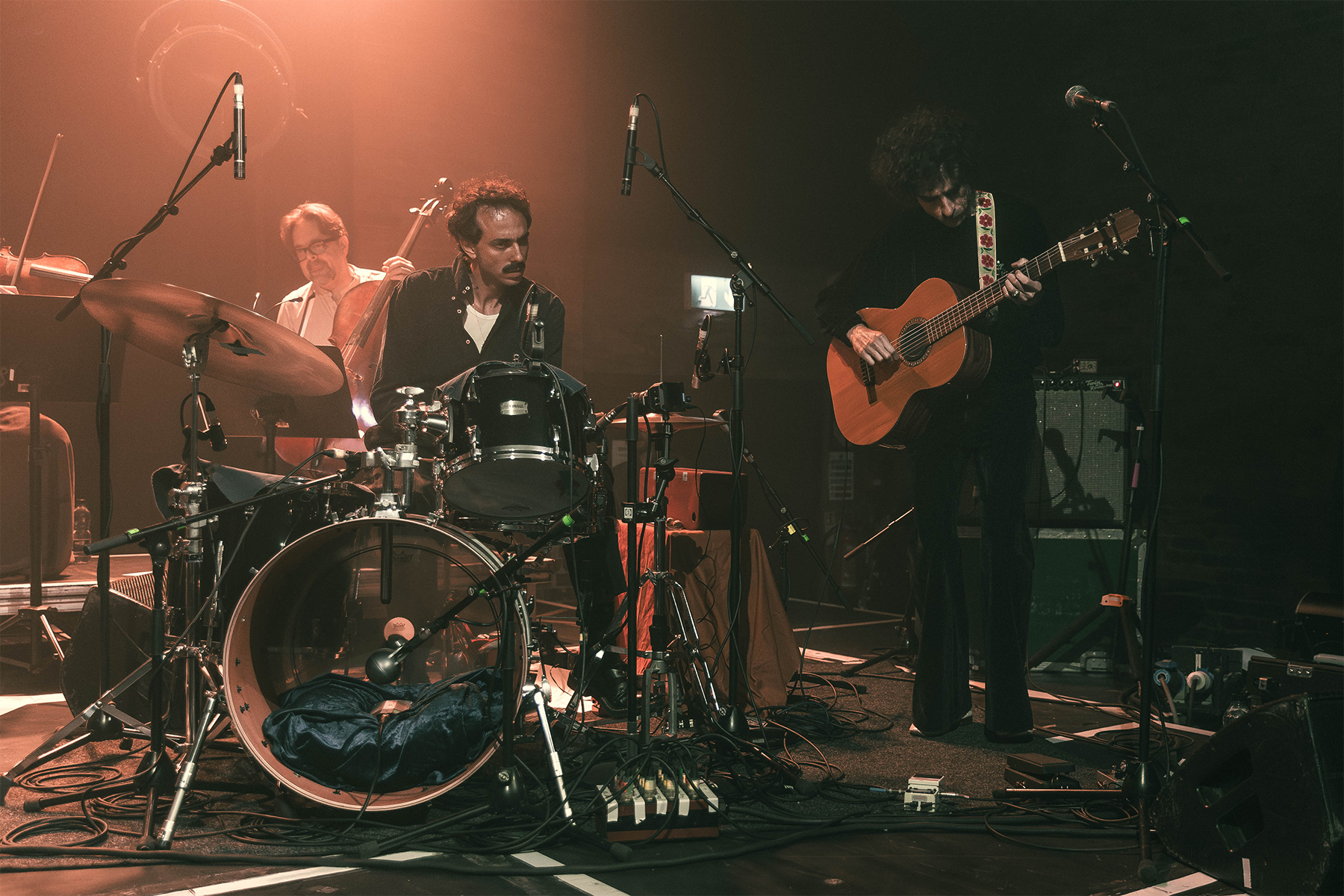



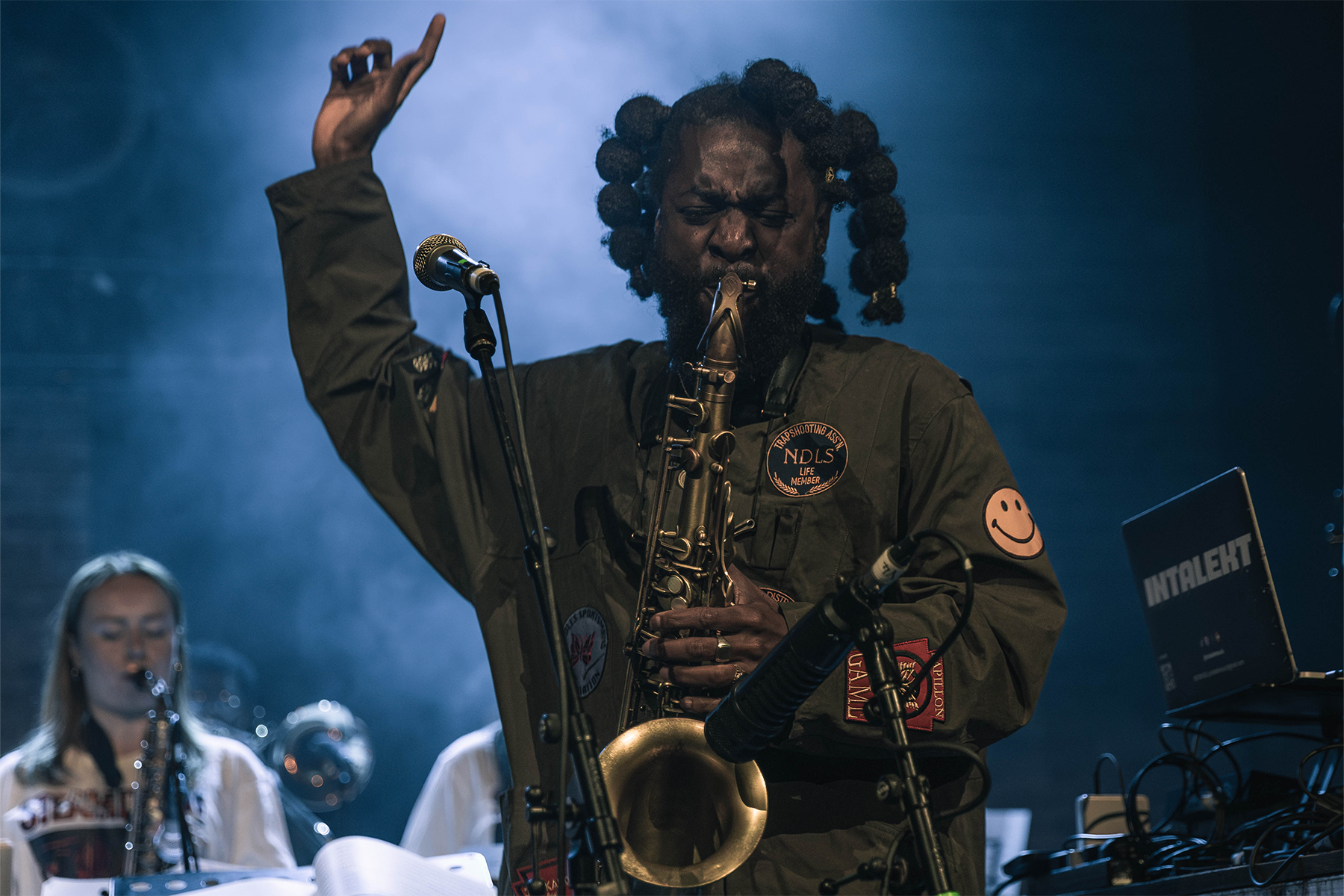
Across the weekend the presence of London’s grassroots and underground jazz scenes were strong, with stalwarts of the underground jam scene making up cornerstones of the festival. Afro-punk collective Steam Down played at Village Underground on Saturday halfway between their weekly jam sessions, whilst youth jazz charity Tomorrow’s Warrior’s – who’ve had a hand in developing exceptional talents such as Ezra Collective, Nubya Garcia and Moses Boyd, amongst others – hosted their own stage at Brick Lane Tap Room across the weekend. With the charity celebrating their 35th anniversary, the Tap Room hosted a range of impressive young acts across the weekend as part of their mission to open doors for global majority, female and non-binary jazz musicians otherwise locked out of opportunities to pursue music careers. On Sunday, the Tomorrow’s Warriors Youth Ensemble showed a promising vision of the scene’s future with a strong setlist of predominantly original material by musicians aged 16-19, whilst across the rest of the weekend Tomorrow’s Warriors alumni were some of the most hotly anticipated acts, from Christ Stephane Boizi’s soul and gospel-infused jazz sextet to Joe Armon-Jones’ Sunday closing slot.
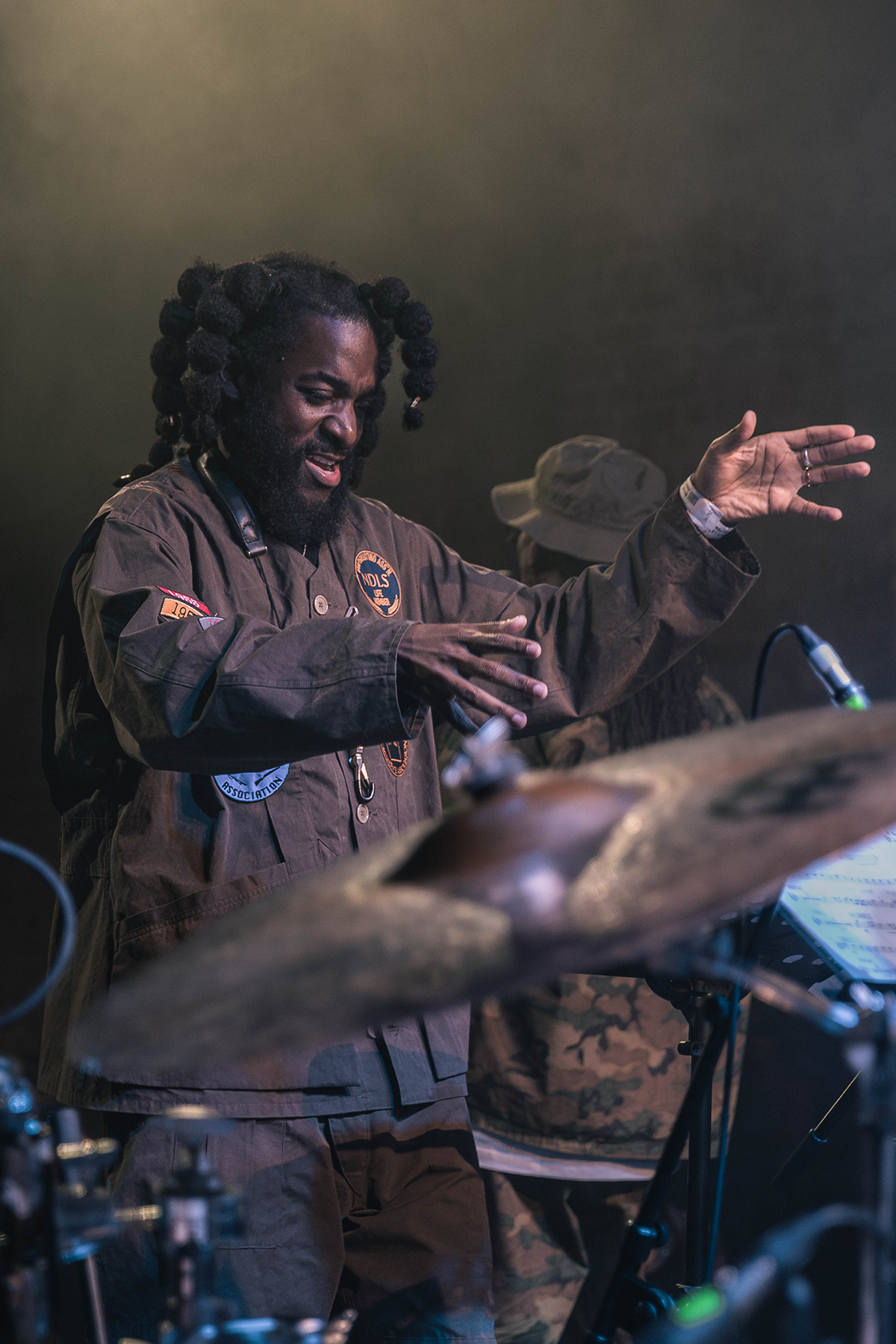
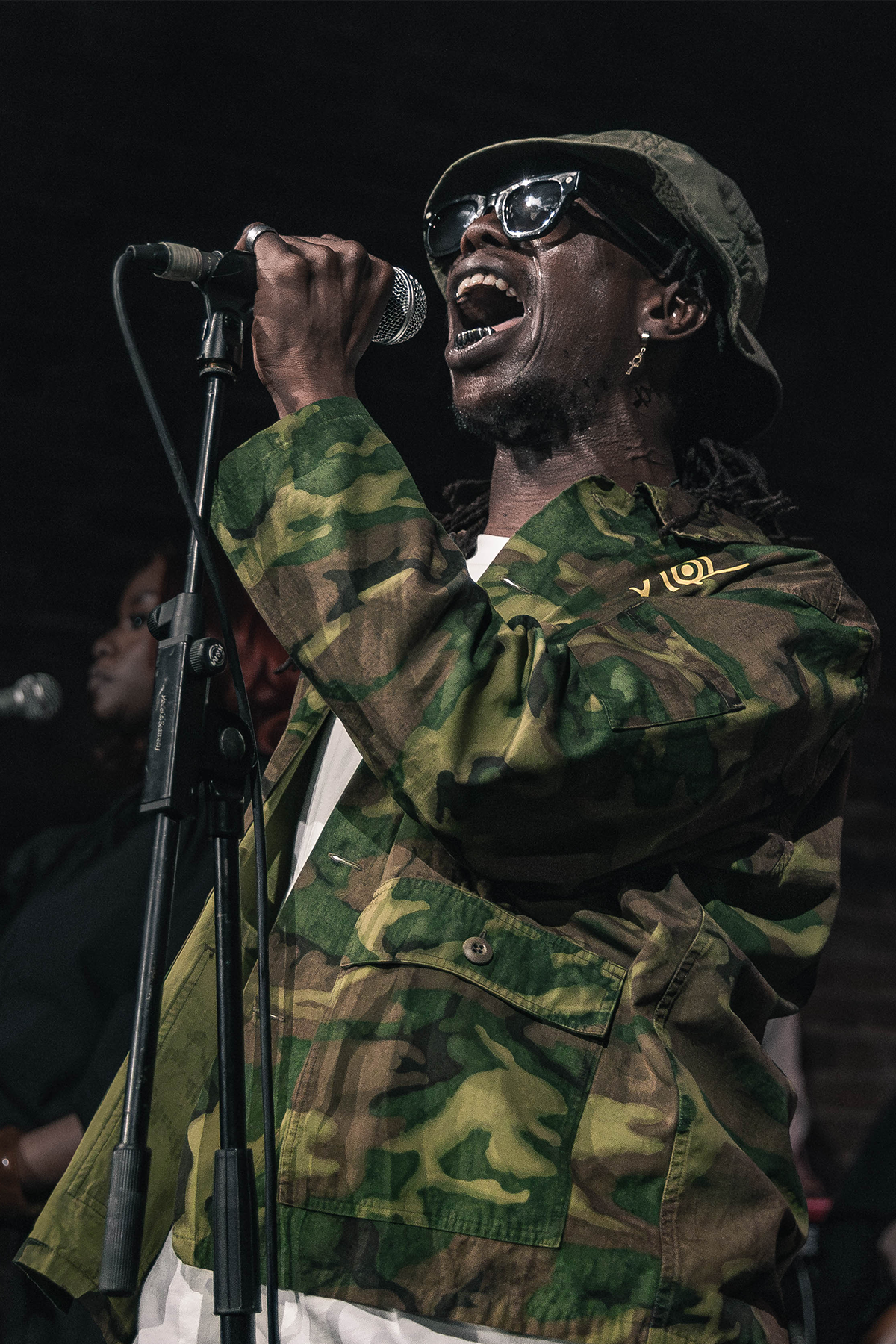
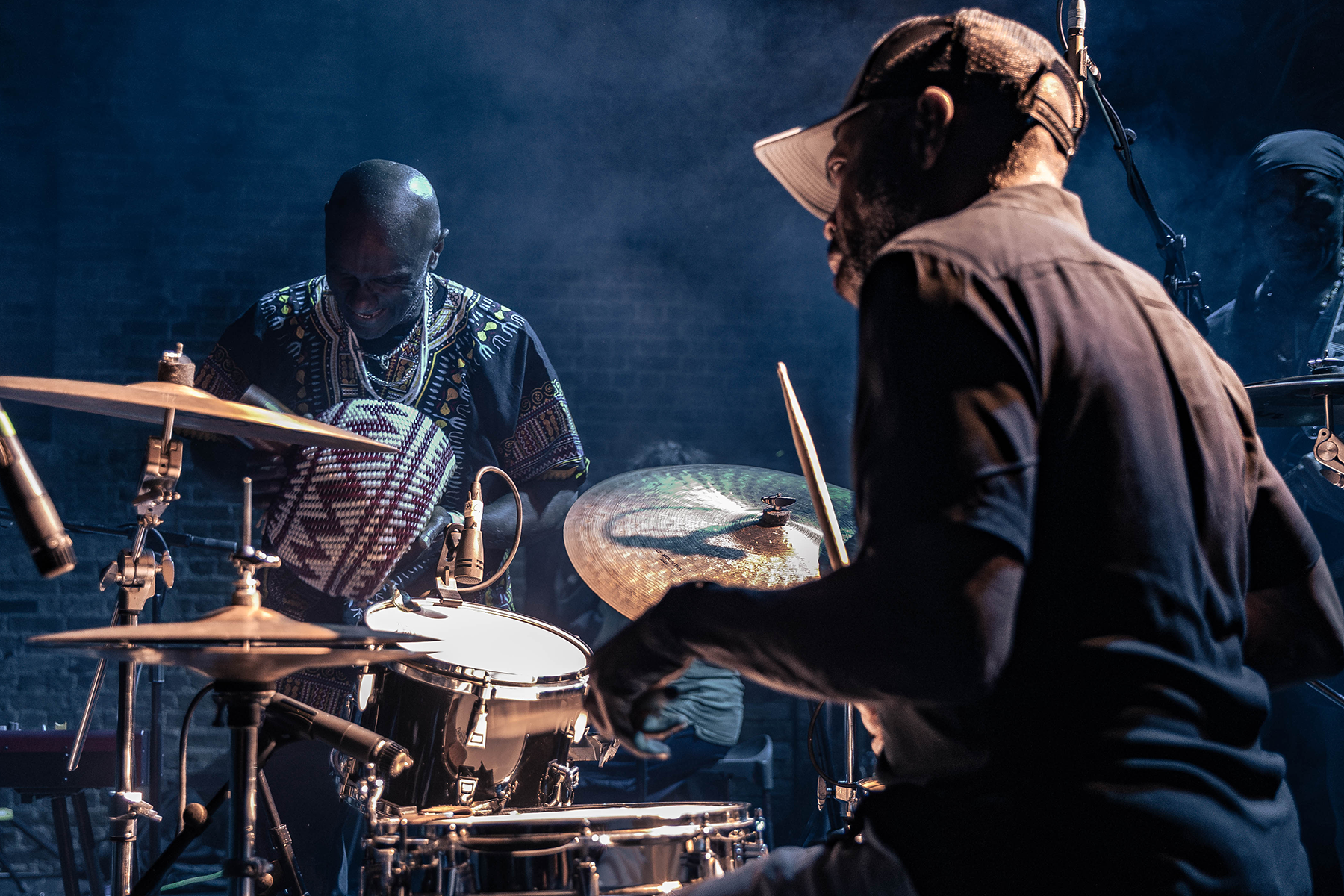
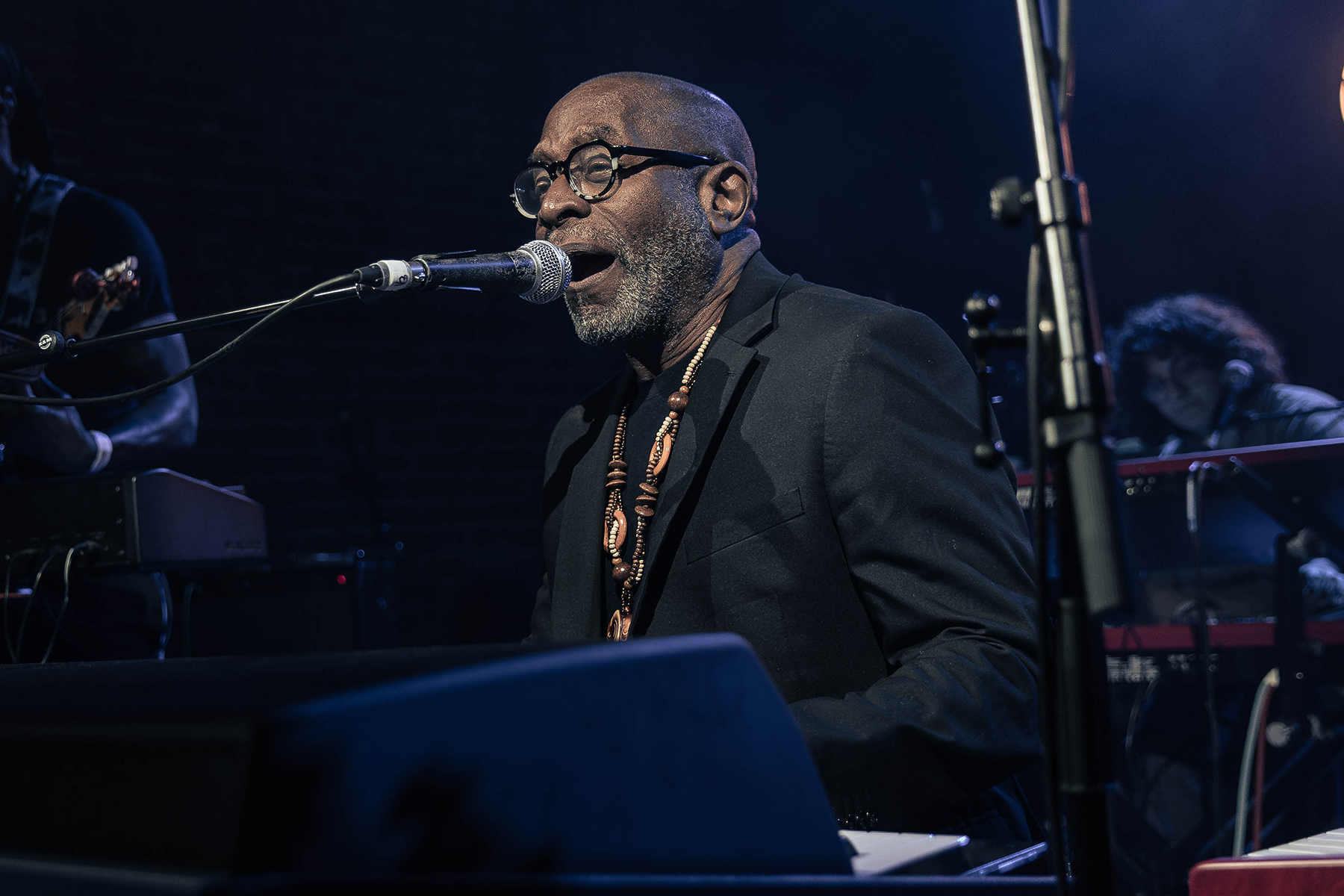
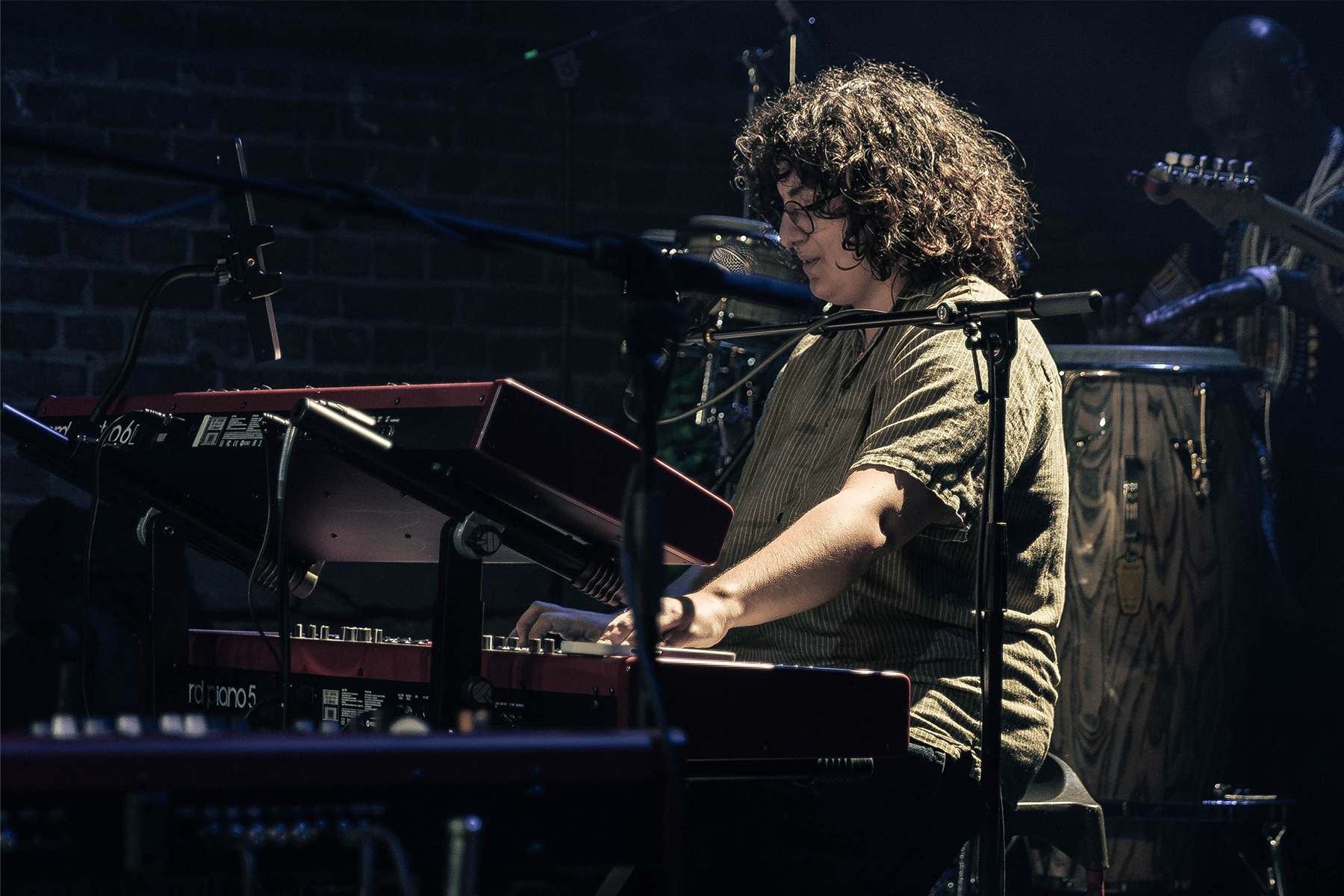
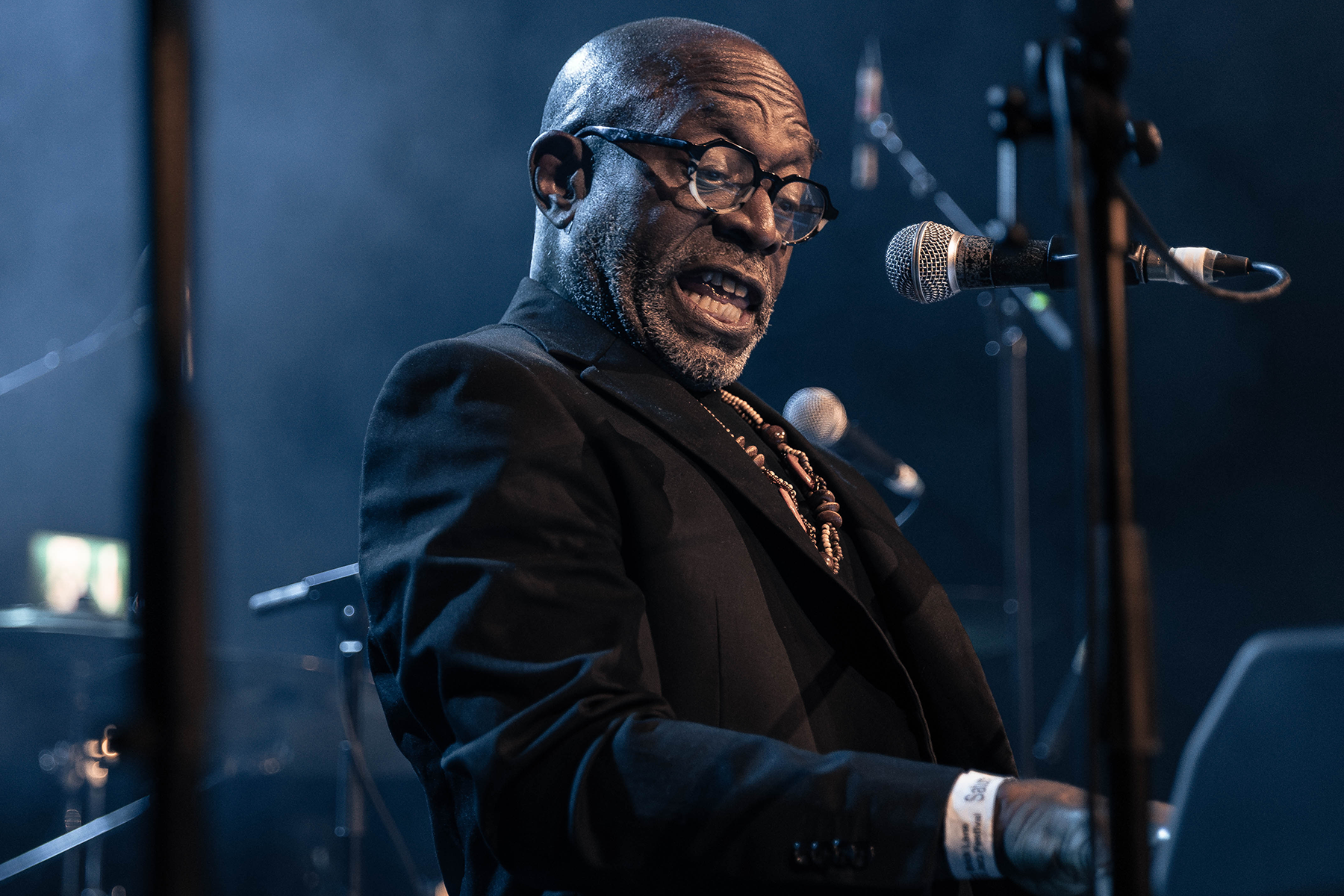
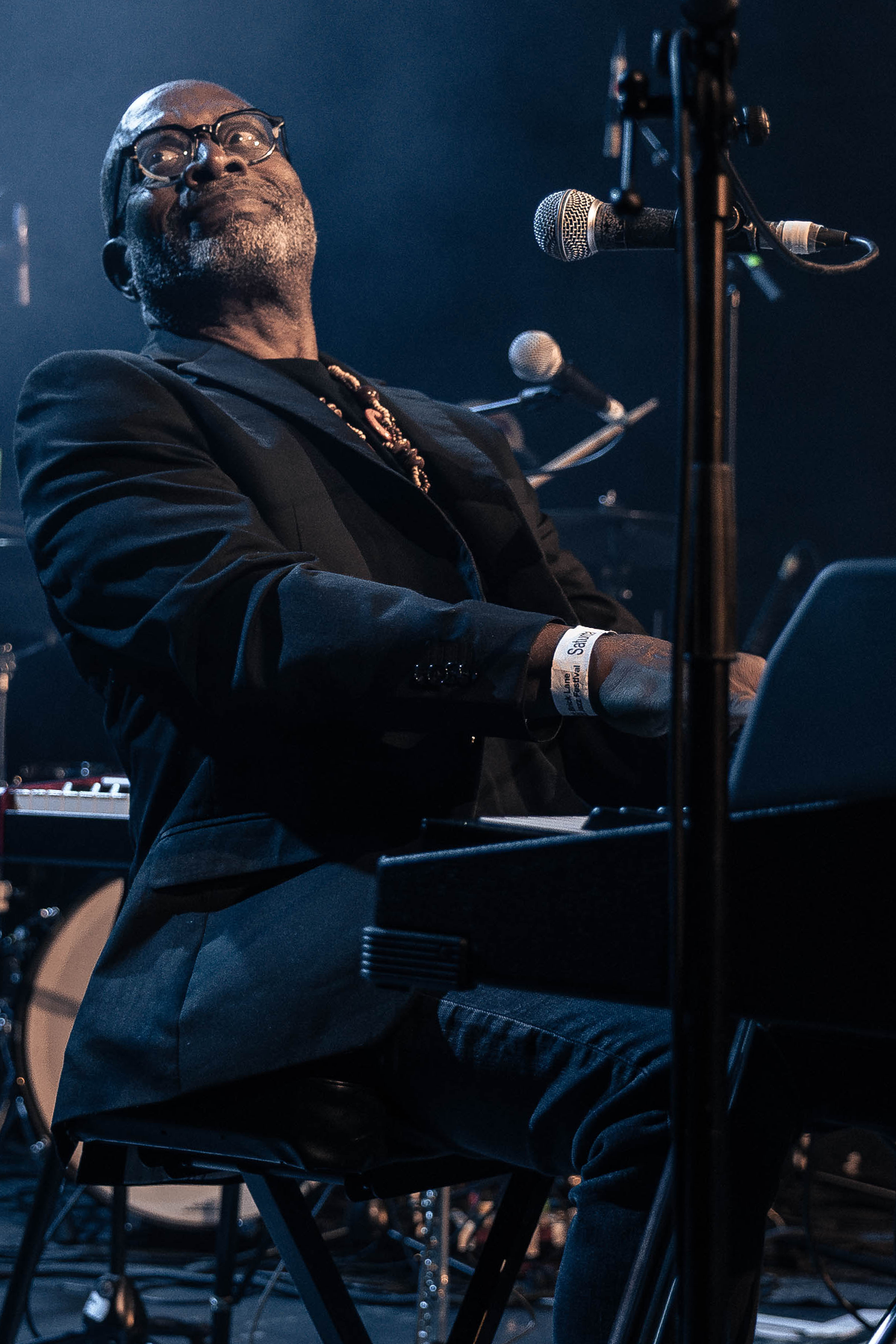
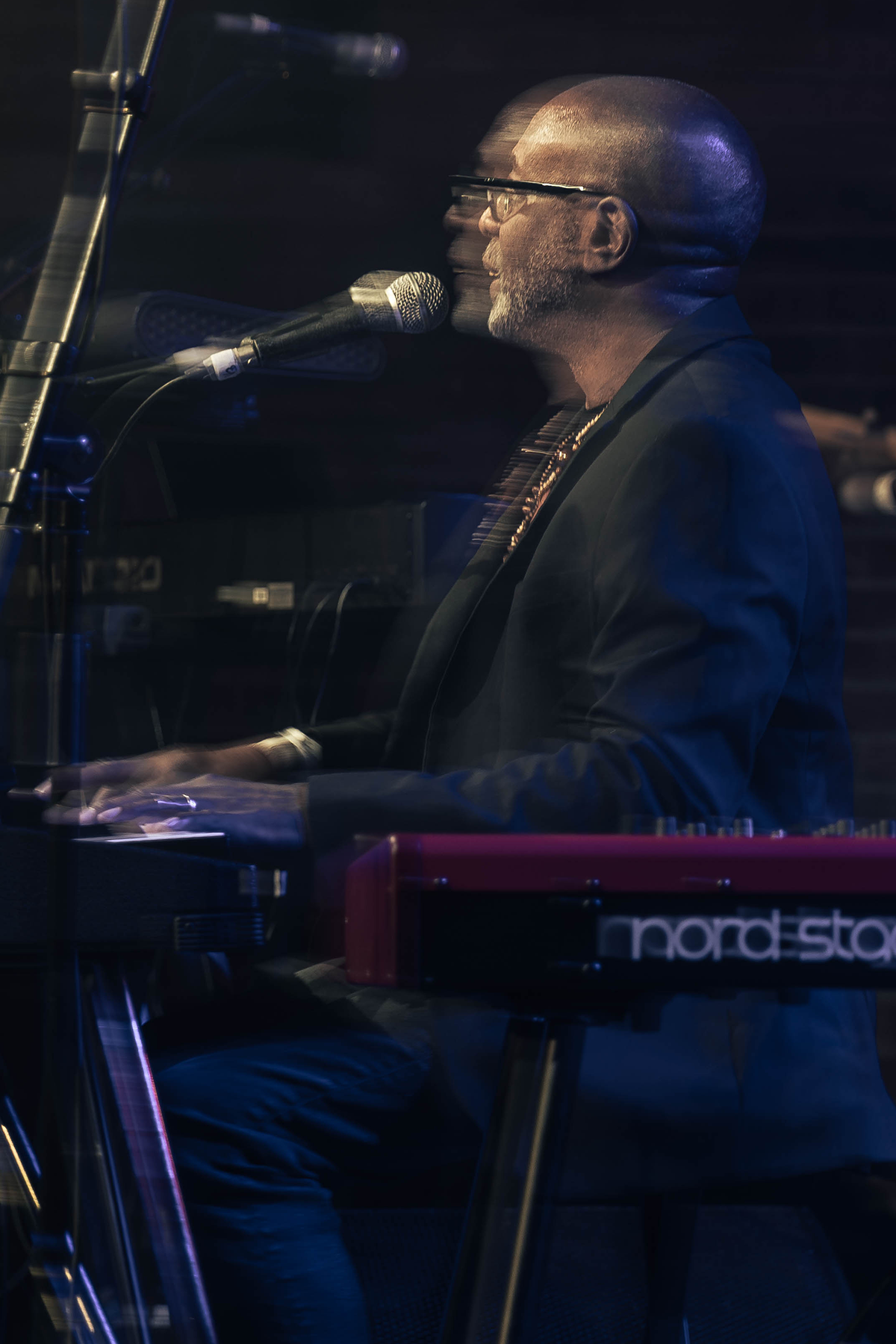
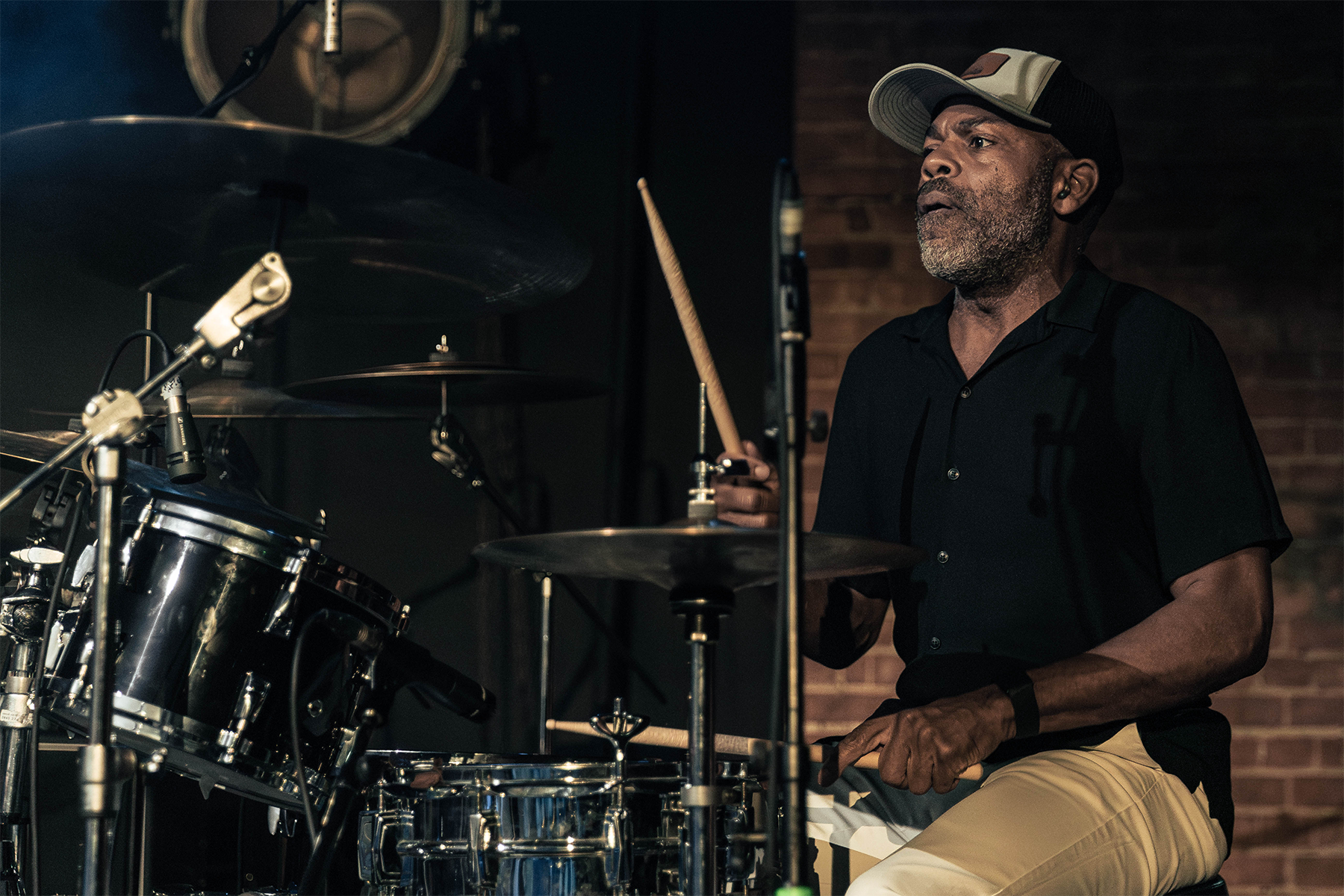
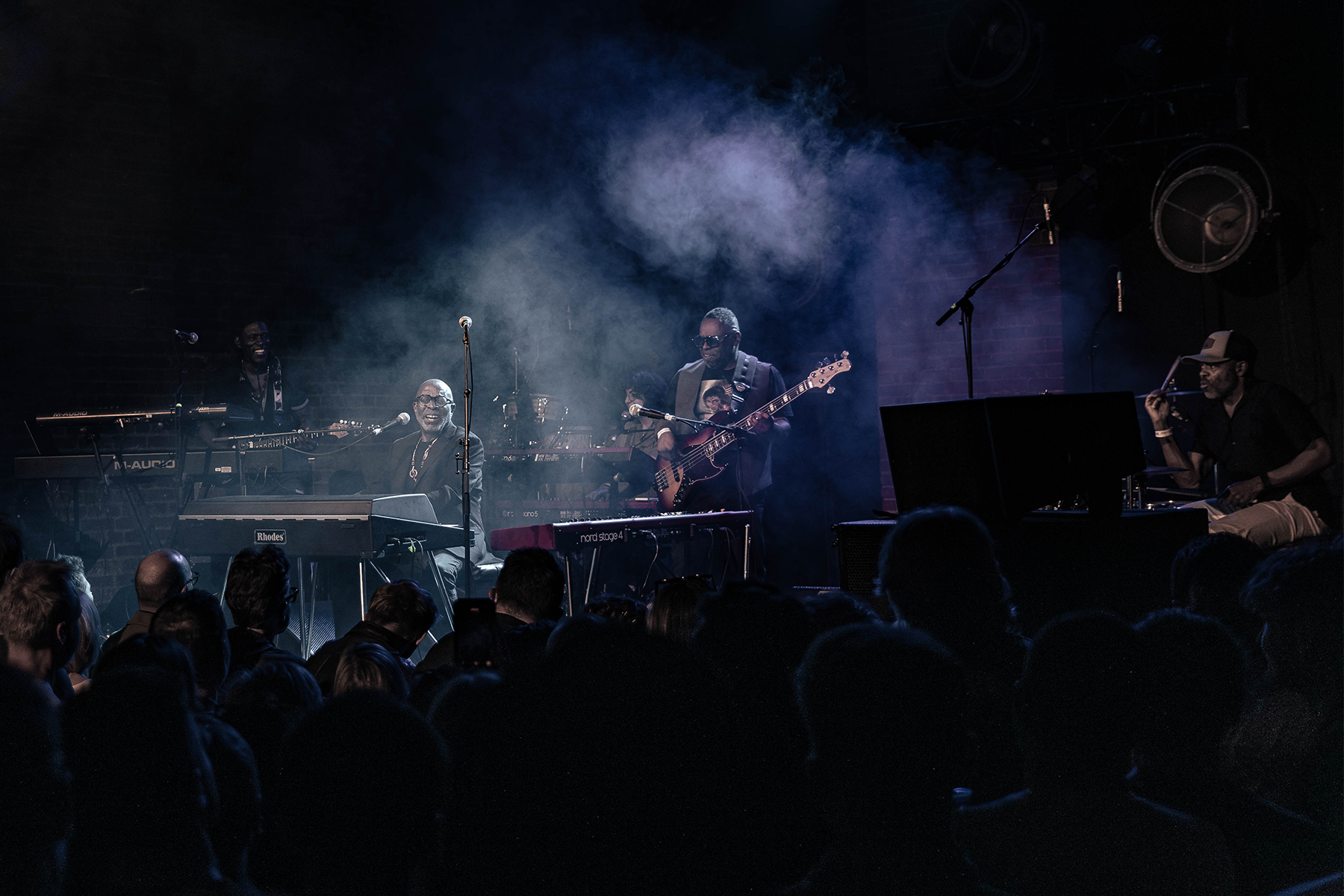
As well as providing a stellar view into some of London’s most promising rising and underground stars, the festival’s most renowned headliner Brian Jackson (of Brian Jackson & Gil-Scott Heron fame) delivered wholeheartedly also. Electric on stage, the legendary jazzman’s posse of musicians came together for perhaps the sharpest set of the weekend. They played a range of tracks from Jackson’s upcoming album Now More Than Ever, releasing at the end of May with collaborations from Moodymann, Black Thought and Lisa Fischer, to name a few of the masterminds at work on the the project. The album’s title track drew intrigue, an anthem of peace, unity and action, but classic tracks such as the bustling ‘Lady Day and John Coltrane’ (coincidentally played by Rohan Rakhit towards the end of his set the day before) remained welcome fixtures of Jackson’s set. In between frenetic flute solos, a moment of calm beckoned with the more reserved ‘Winter In America’. Jackson took a moment to discuss how the classic grapples with the dire politics of modern America, proclaiming “all empires must fall… what comes after winter?”
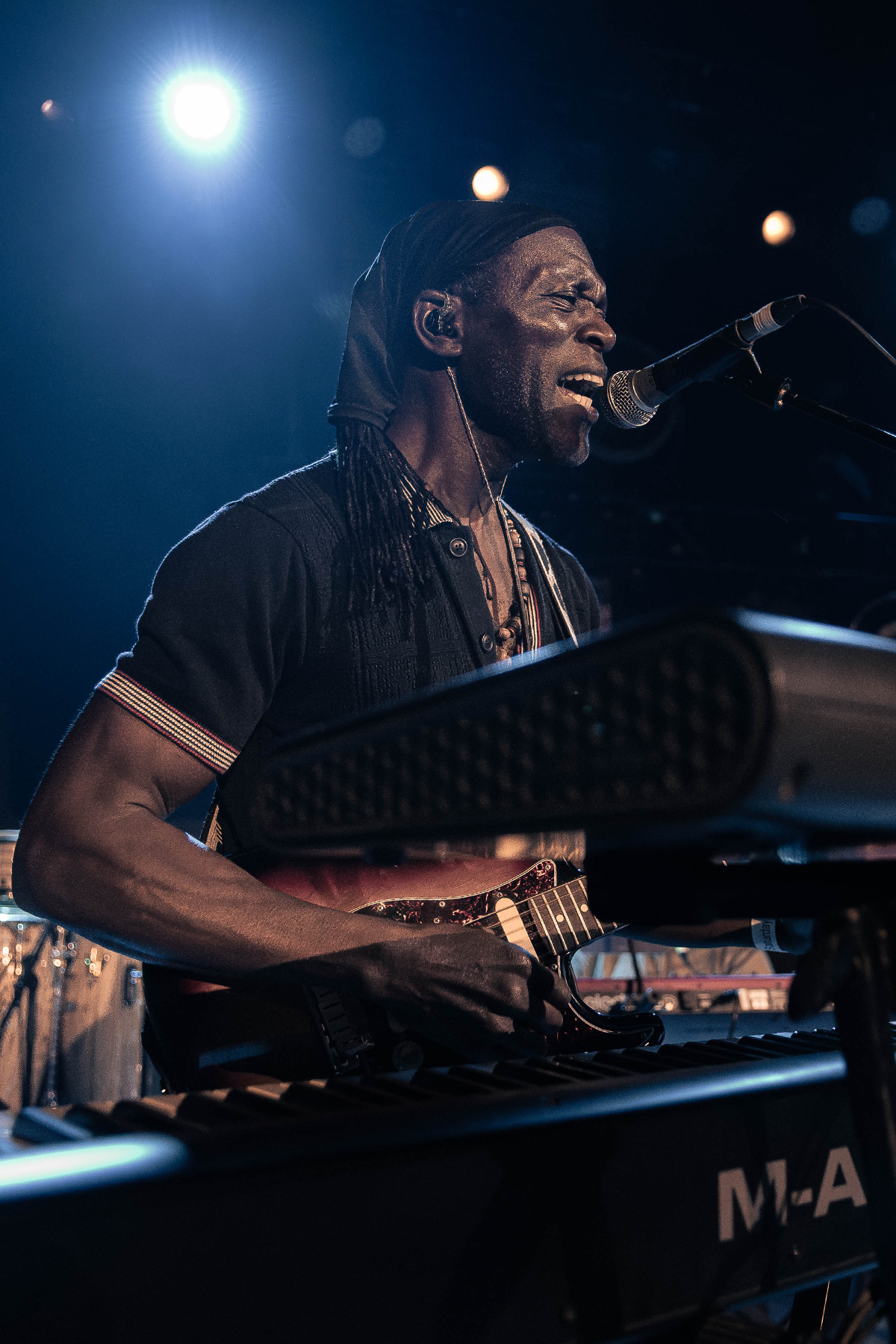
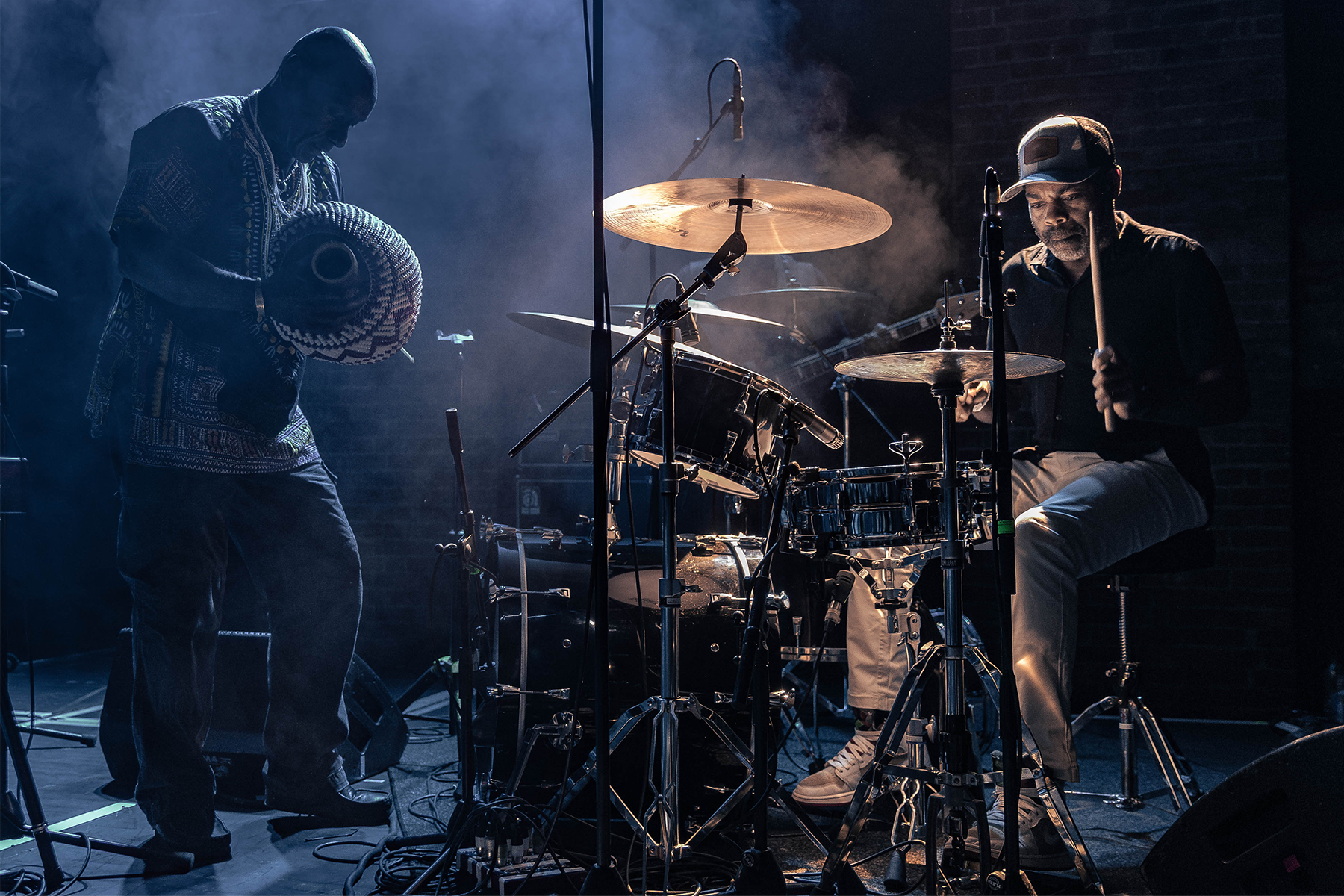
Spring, of course, is the answer.
Jackson’s musings continued, advocating for action as the entire audience chanted along “you gotta take what you want, like a gorilla”. The band rounded off their unforgettable set with an emphatic uptempo rendition of Jackson and Gil-Scott Heron’s 1974 hit ‘The Bottle’, and the bounding crowd at Village Underground loved every moment of it.
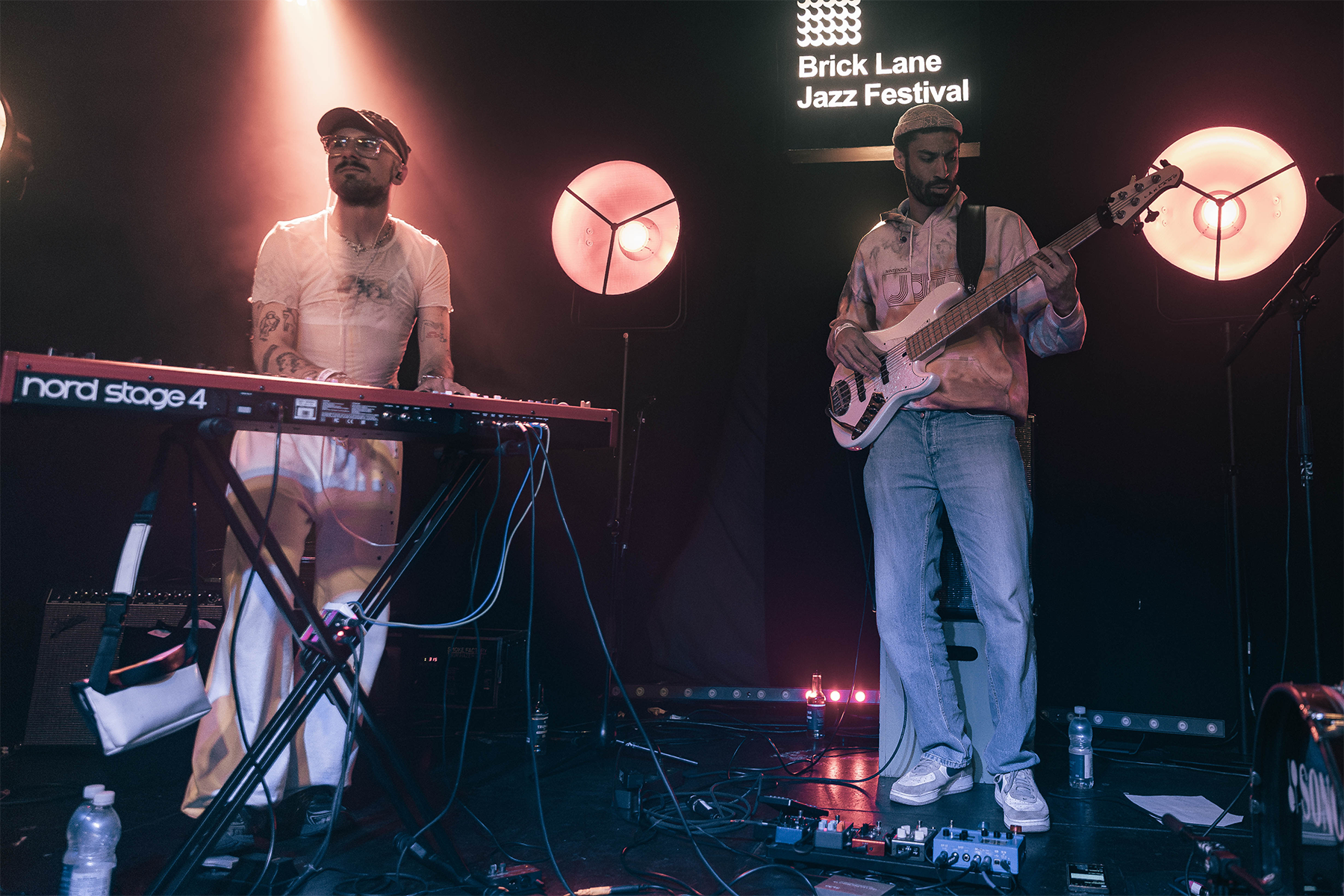
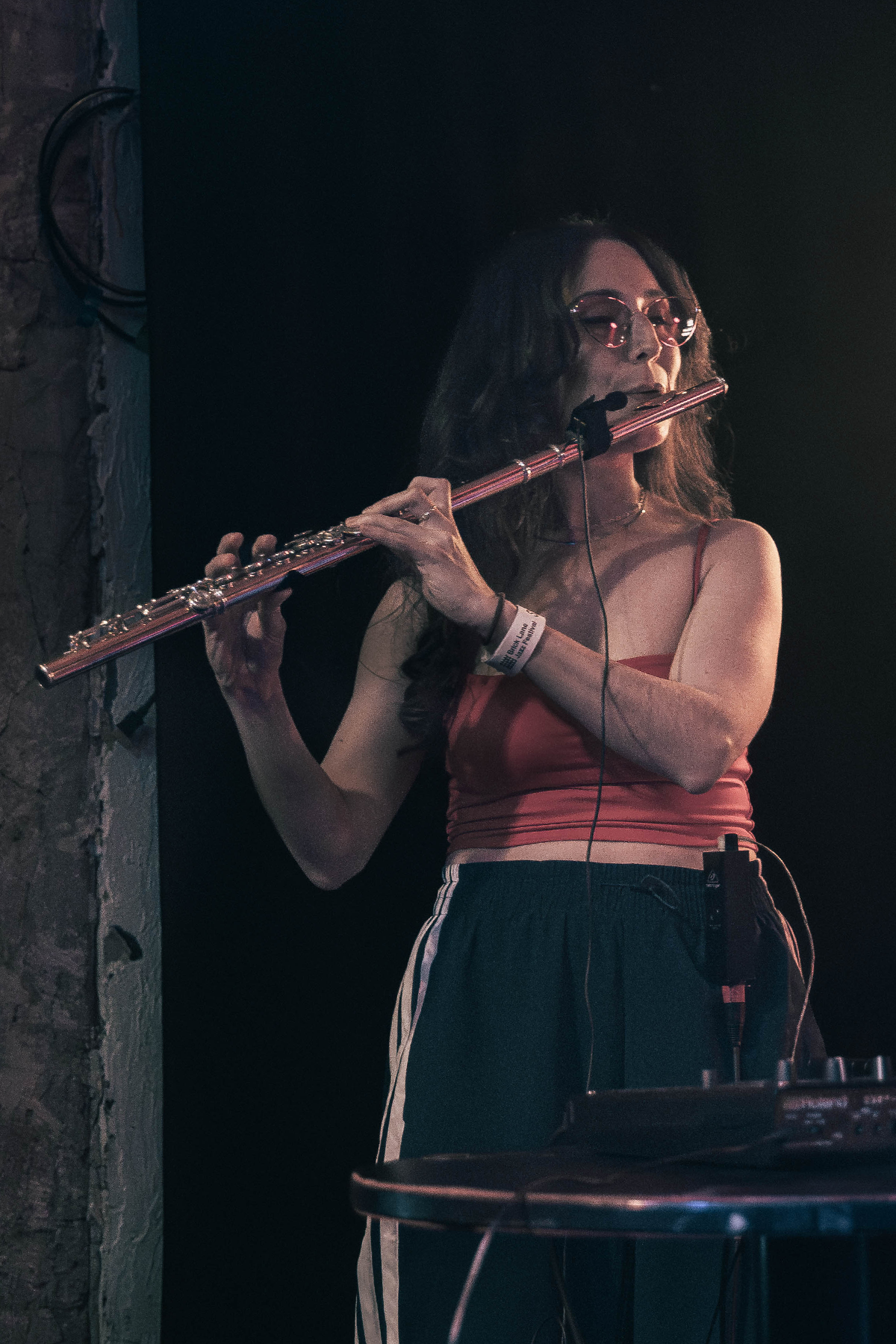
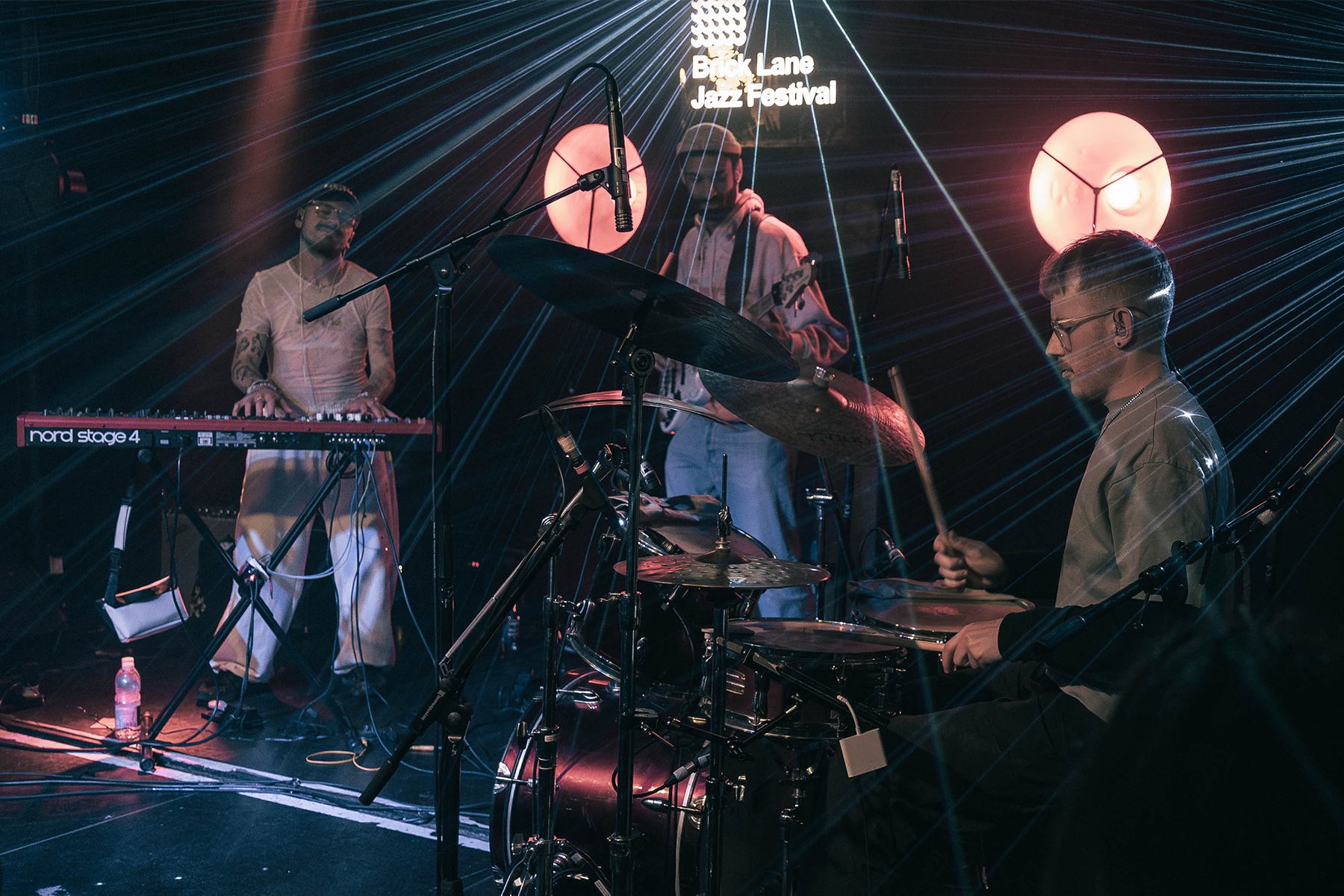
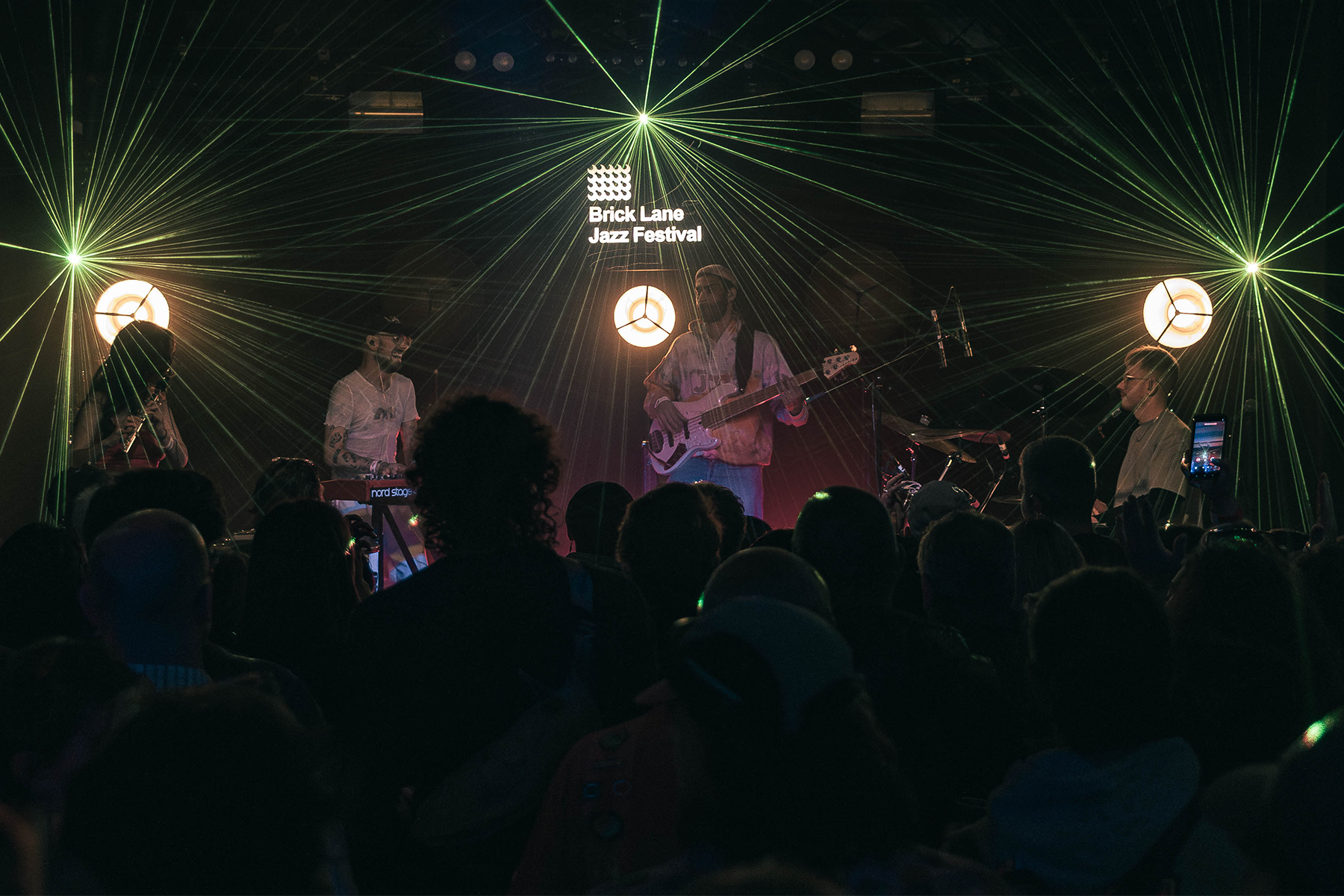
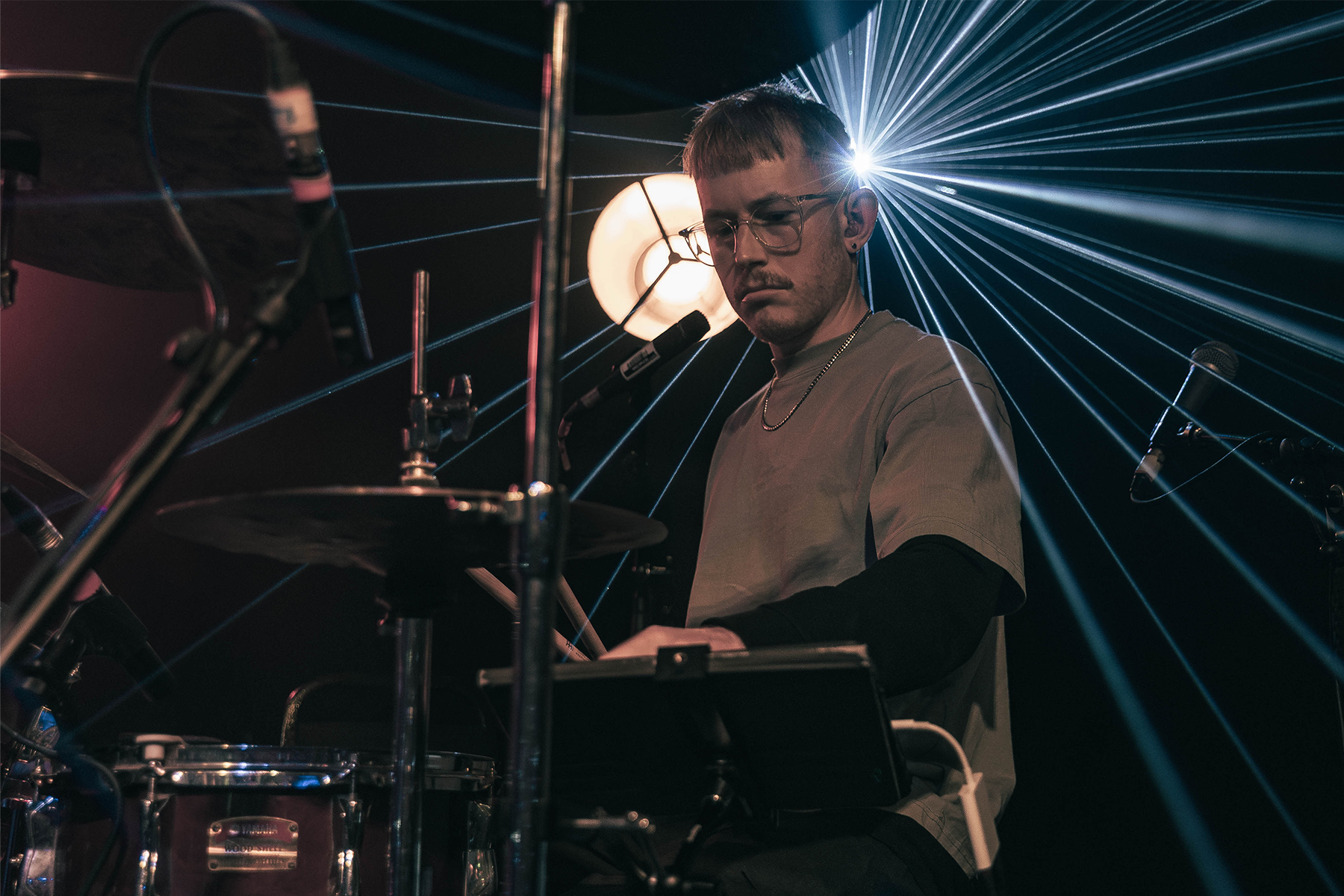
As the evening turned into the night, there was no shortage of highly danceable music, with Saturday night’s highlight being Alexander Flood’s full band set at 93 Feet East’s Live Room. From behind his kit, the Australian beatmaster led his bandmates on bass, keys and flute through a set that combined nu-jazz, funk and broken beat influences with a strong house music streak. As concertgoers bounced in the crowd, Flood’s killer drum fills combined with searing synth lines by keyboardist Akey, whilst flautist Erica Tucceri pierced through it all with cascading lines leaving crowd-rousing furore in their wake.
The day after, it was the joyful energy of French band Stella & The Longos that left a lasting impact amongst Sunday’s stacked selection of artists to throw shapes to. Their distinctly 80s sound channelled disco, zouk and boogie into a lively set that was constantly in dynamic motion, from the group’s infectious synchronised dancing to their energetic synth and guitar solos. On ‘Au Retard’ (translated: being late), the electric guitar and synth lead went bar-for-bar trading solo lines, bringing the audience into a state of rapture.
A downside of the festival’s venue-hopping setup was that more popular acts playing smaller stages attracted long queues that far exceeded the venue’s capacity, an alien concept for more traditional festivals. When deciding whether to make the ten-minute walk to Village Underground, or the trek past Shoreditch High Street station towards Rich Mix, trying to estimate whether you’d even get in undoubtedly detracted from the festival’s otherwise relaxed atmosphere. Yet (as the festival did advise), there was always other excellent music happening nearby, and in the wake of disappointments I did stumble across other incredible talents. Arriving back at The Truman Brewery on Saturday to catch Ghanaian multi-instrumentalist Kwame Yeboah at Juju’s only to find a queue snaking as far as the eye could see, my subsequent decision to head to Ninety One to see Marlon the Pannist was a happy accident in every respect, as they turned out to be exceptional. The 6-part band featured steelpan master Marlon Hibbert in his element amongst keys, bass and percussion, playing a fusion of contemporary jazz and calypso that saw his playing intertwine with fellow steelpan drummer Marcus Cumberbatch-King. Marlon’s emphatic, intricately constructed compositions were lapped up by the eager crowd, including ‘The Gift (The Curse)’, a song about friendship and musical miscommunication relating to the practice of learning the steelpan by ear, and ‘Find A Way’, the title track of his upcoming album. Also a renowned educator and advocate for the steelpan in music education and contemporary music, Marlon’s is a name to remember.
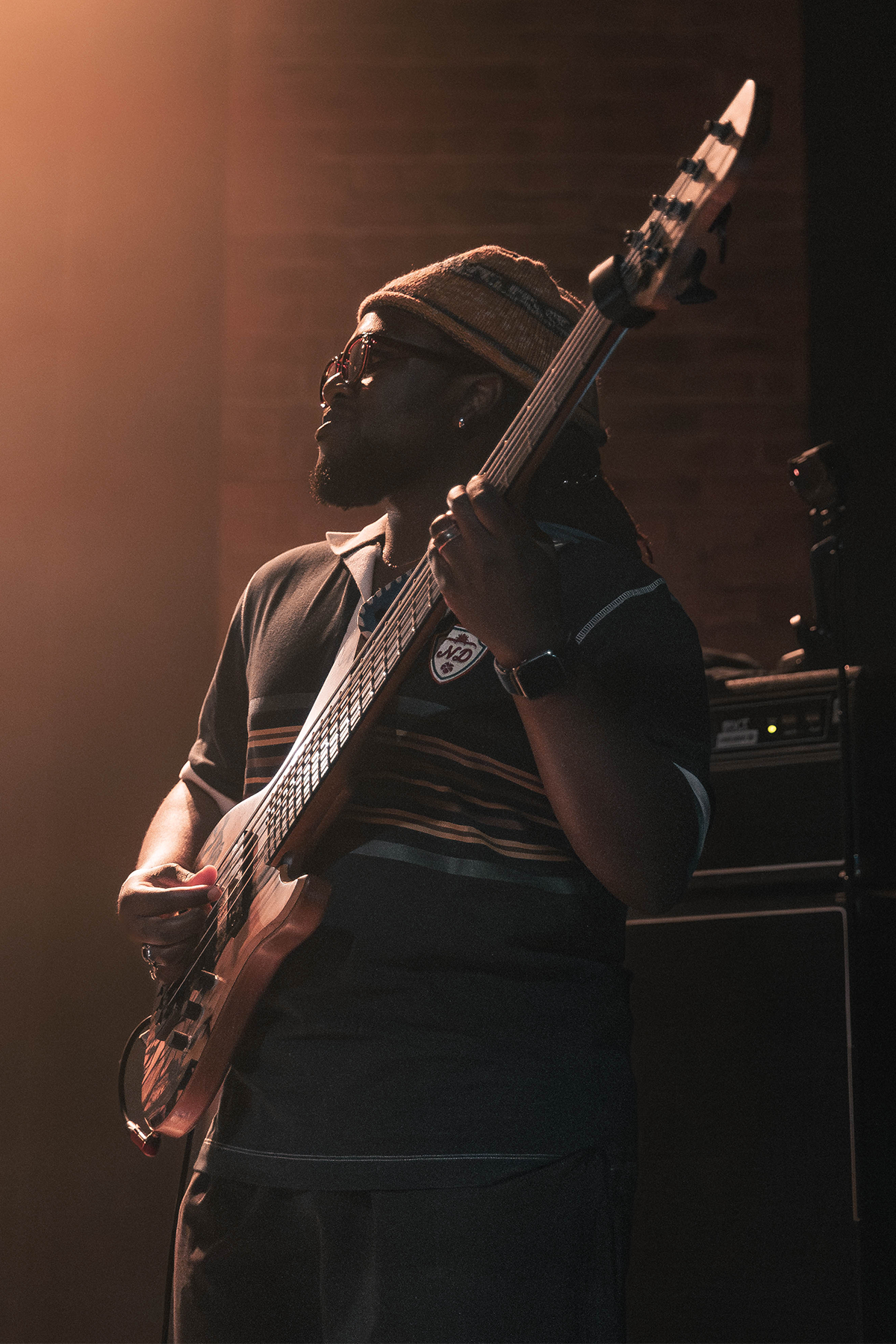
The festival came to a close with a slew of memorable acts on Sunday evening. The final artist performing at Ninety One Living Room, a stage curated across the weekend by non-profit organisation jazz re:freshed whose important work uplifts and provides opportunities to underrepresented jazz musicians in the UK, was the immensely talented Eliane Correa’s En El Aire Project. A prolific collaborator (including with Hans Zimmer), Eliane has been a major champion of Latin music in the UK, and the band’s Cuban-influenced jazz set was a triumph, with the inimitable Alley Lloyd delivering undoubtedly the best bass solo of the weekend on the vibrant ‘Escapade’.
After Brazilian-Norwegian jazz singer Charlotte Dos Santos graced Village Underground at 7pm, the final act of the whole weekend was Joe Armon-Jones at 8:30, who opened his set by applauding Dos Santos’ ethereal preceding performance.
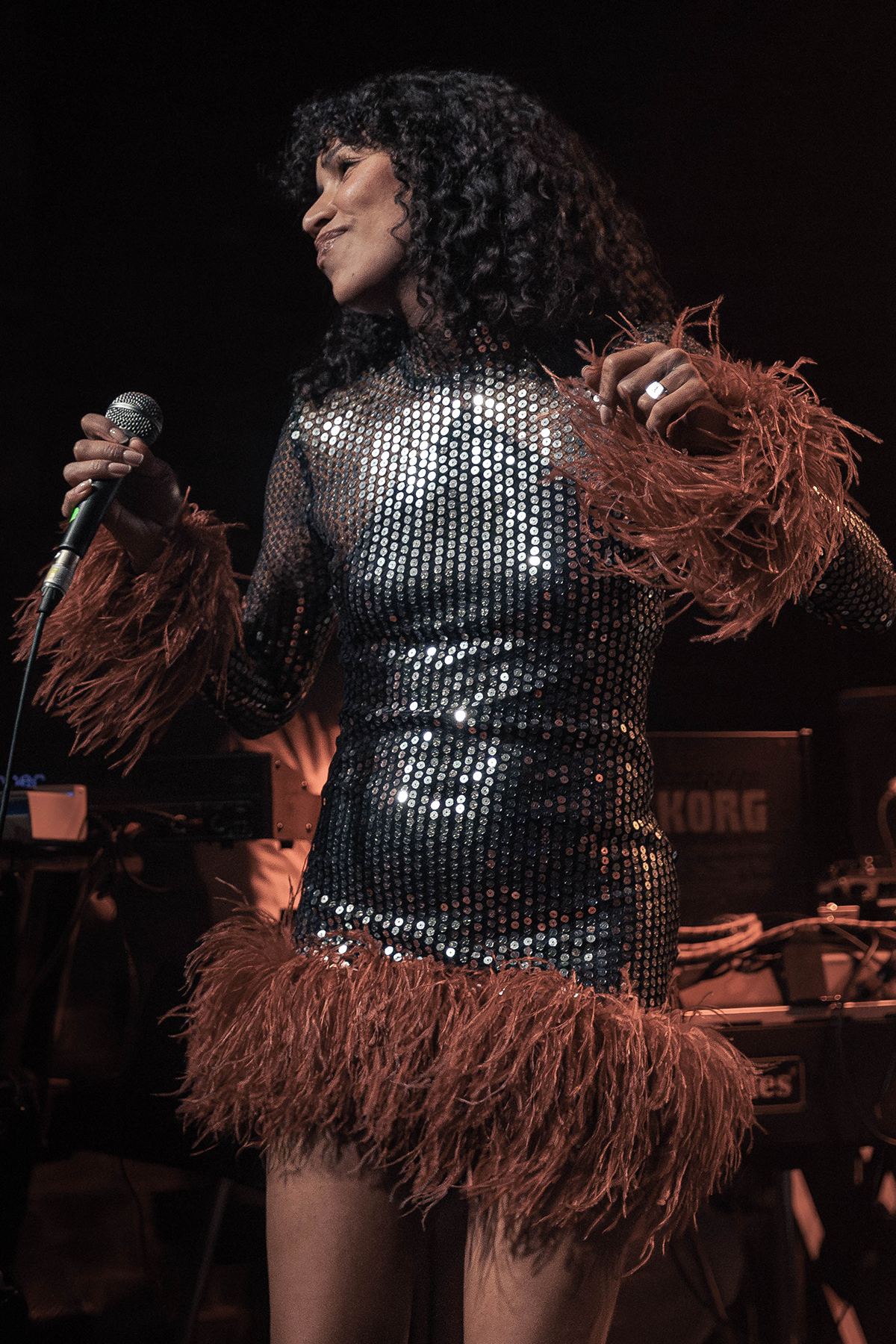


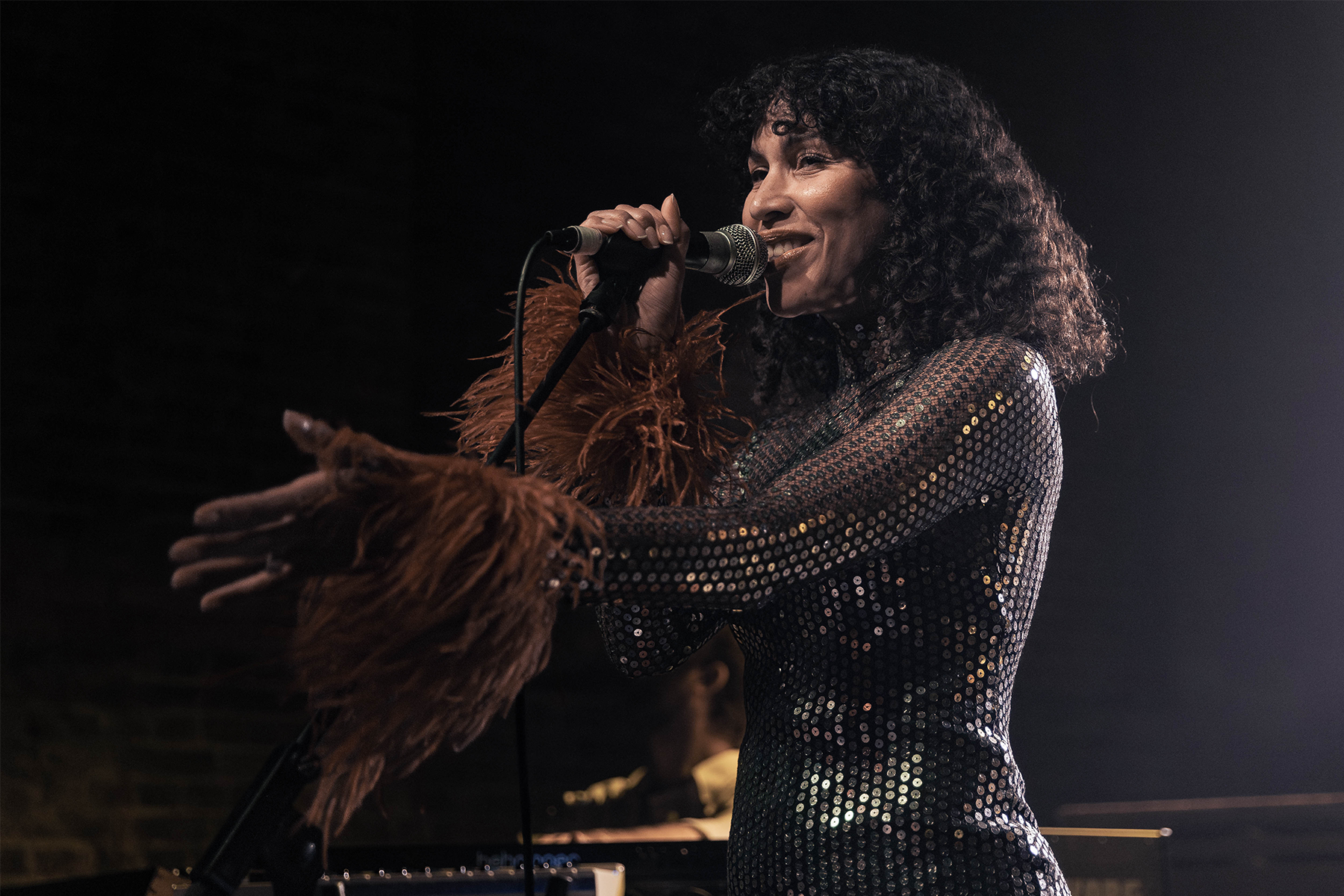
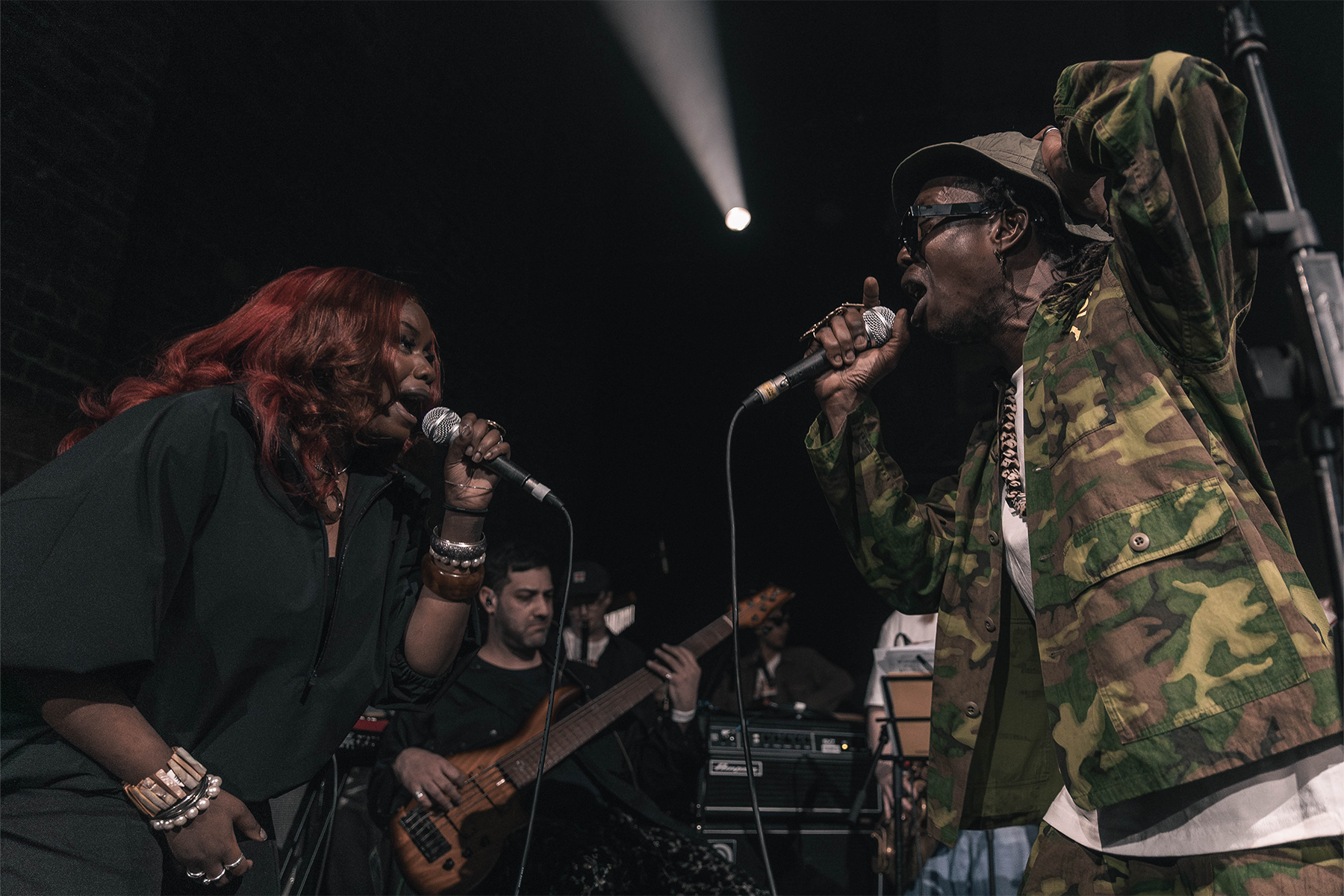
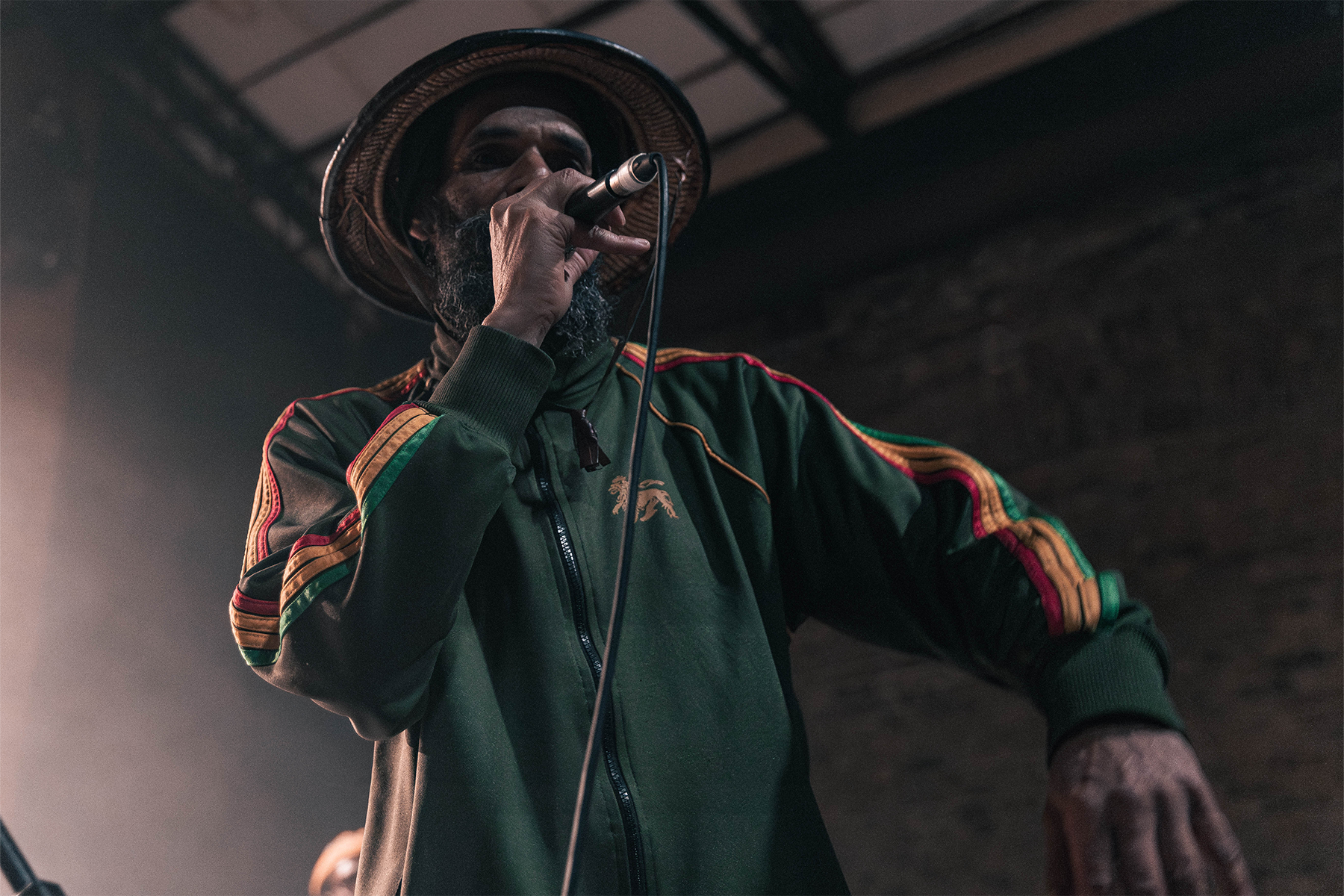
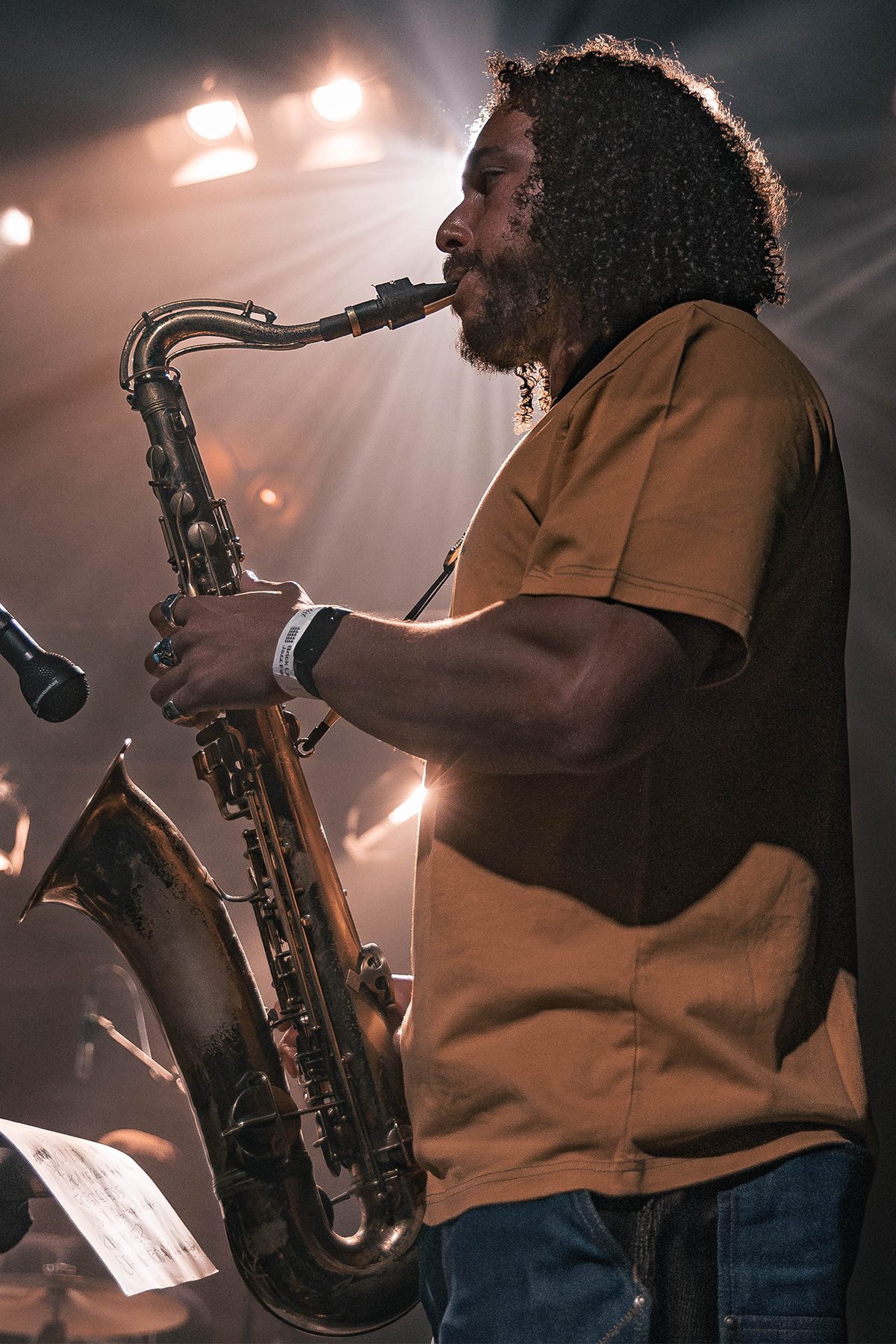
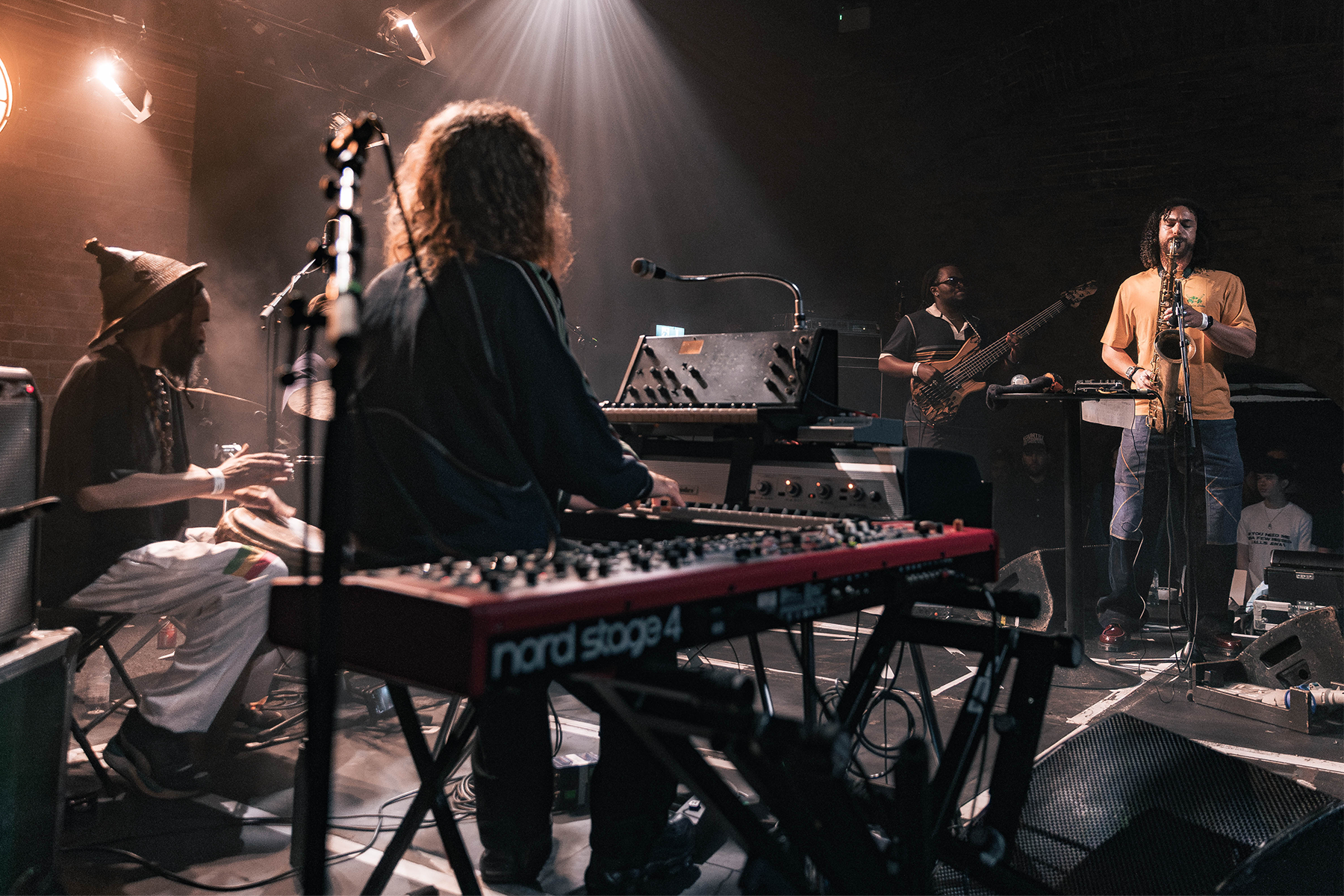
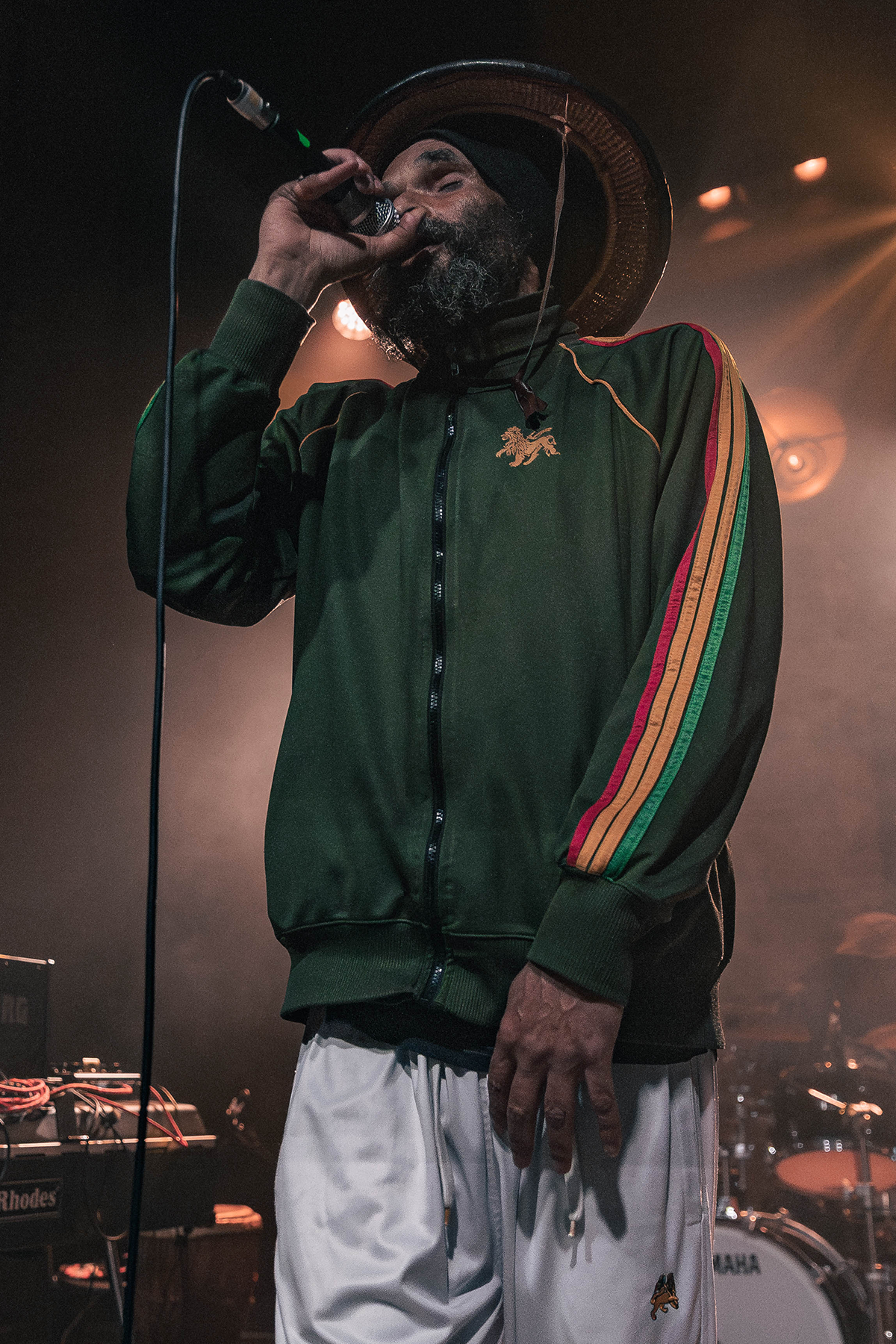
Breaking out as a founding member of Ezra collective, Armon-Jones’ solo work as a composer and keyboardist similarly pushes the boundaries of modern jazz. His band included fellow Ezra Collective member and alto saxophonist James Mollison, as well as the incendiary percussionist/vocalist Asheber, whose presence was immense when he took to the front of the stage for tracks like the call-and-response ‘Kingfisher’, or the unreleased dub track “Wicked Men”. Frequently adopting a vocoder to synthesize his voice into a modulator signal for his keyboard, Armon-Jones’ band showed their vast range across their hour-long set, hopping from the bassy rumbling of dub influences to blistering afrobeat and sprawling virtuosic jazz solos through Armon-Jones’ experimental, free-flowing soul and funk-tinged compositions.
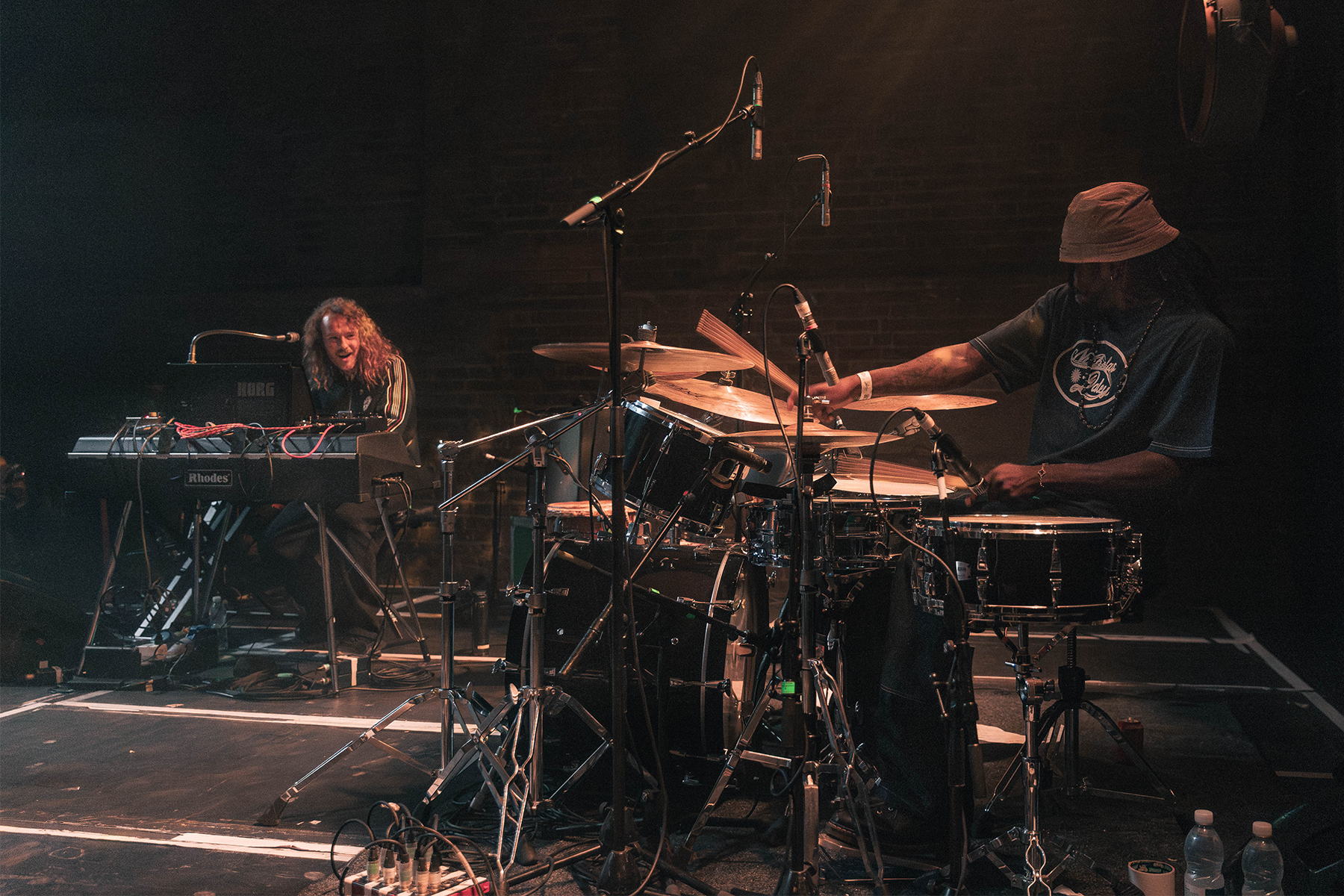
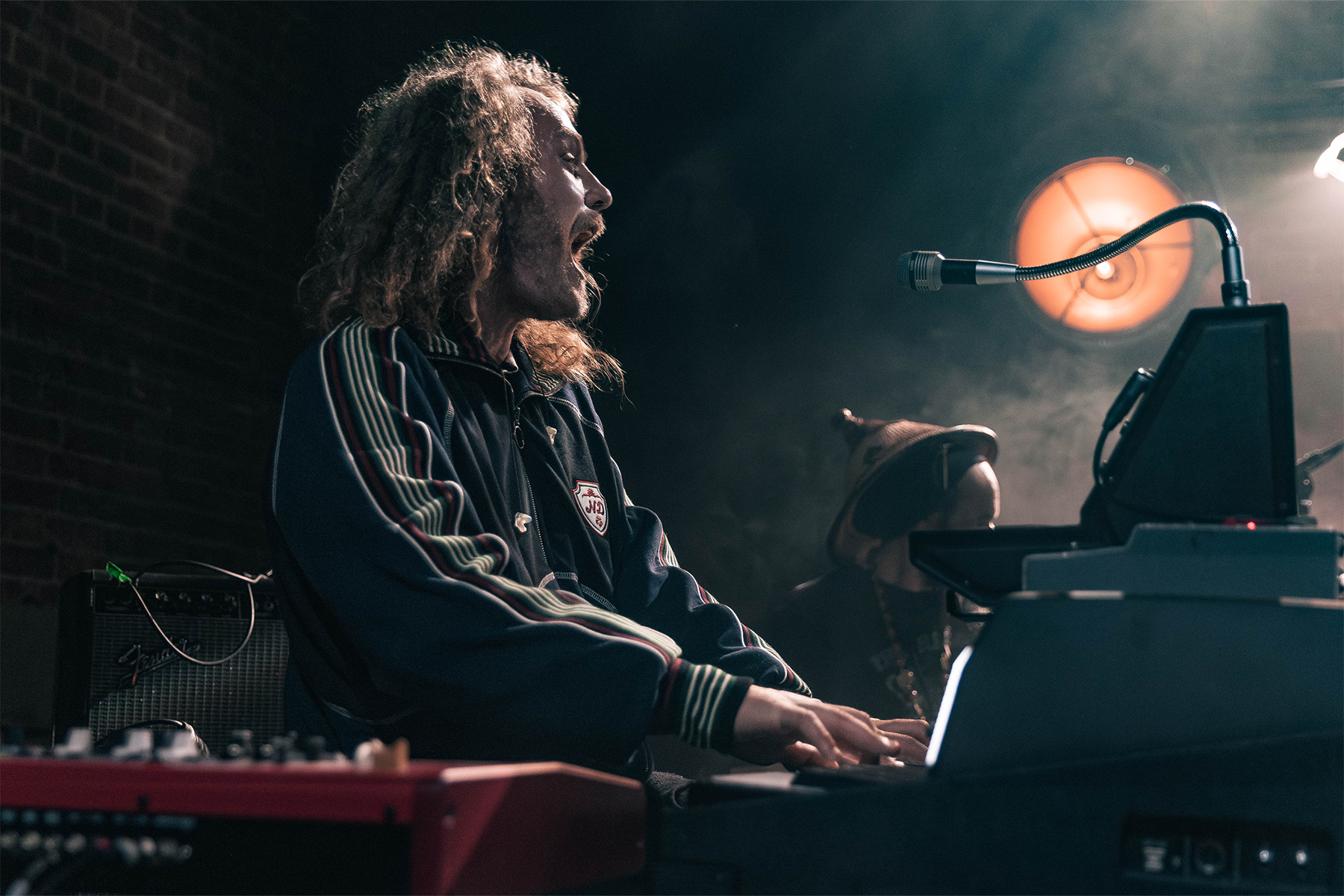
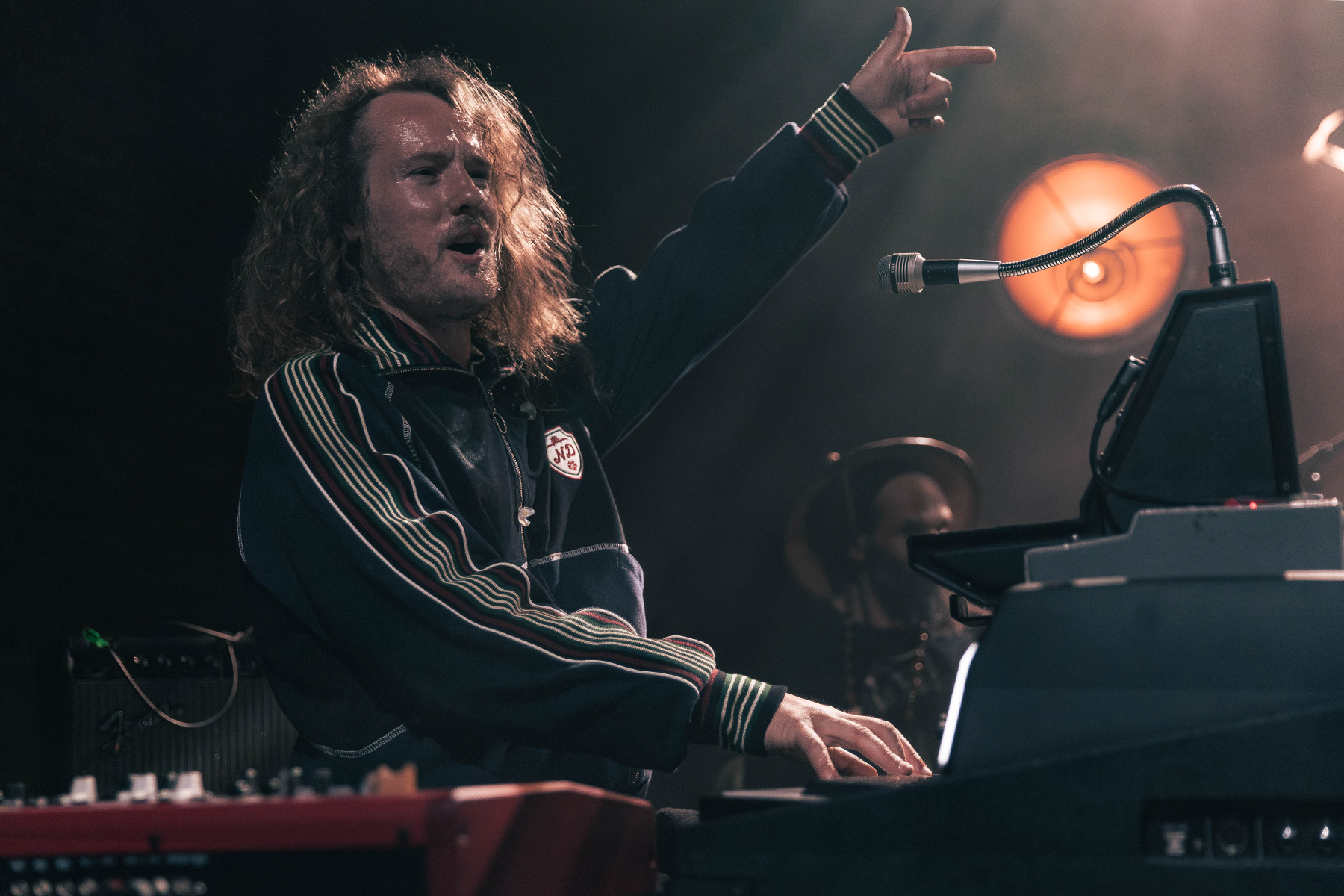
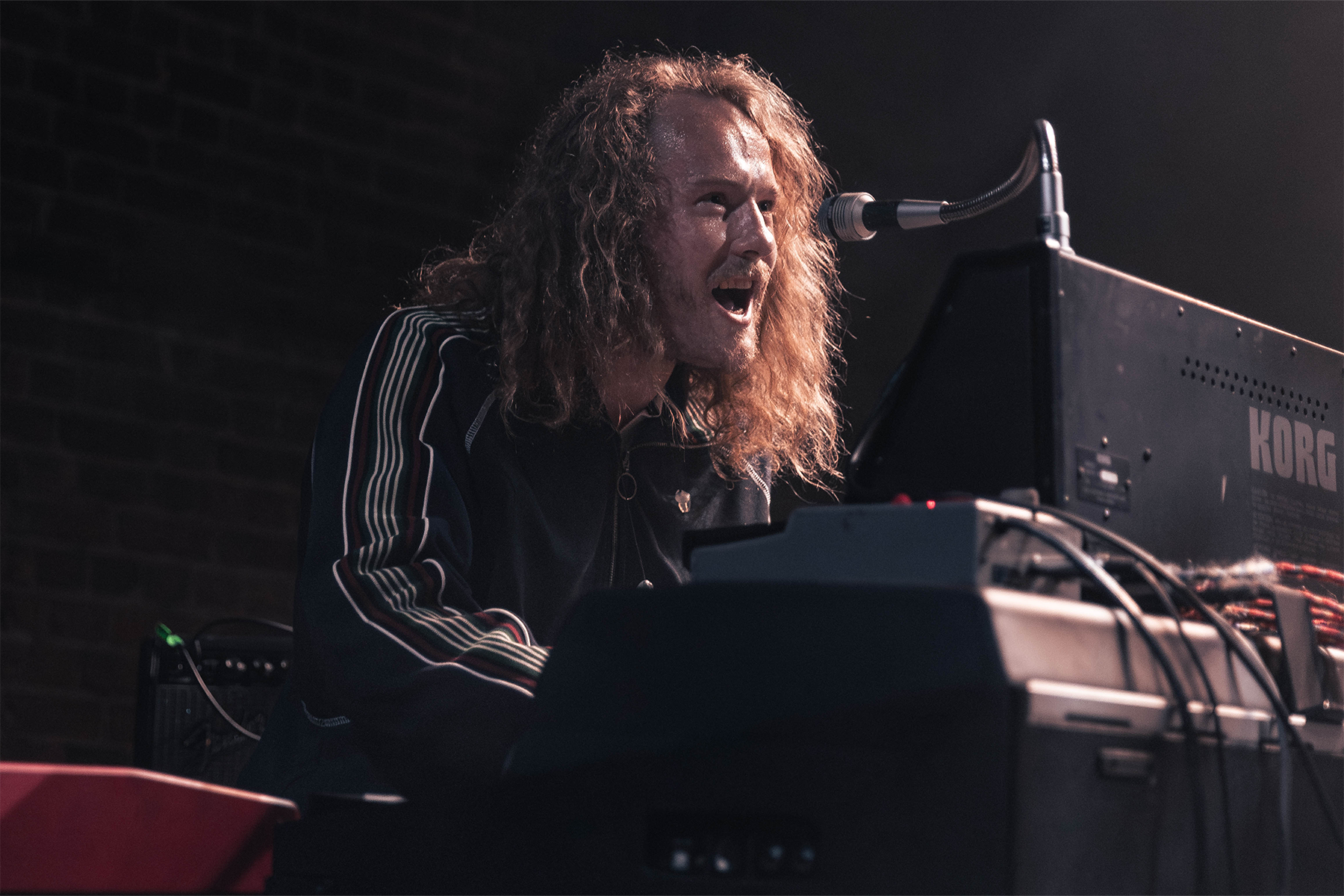
Between songs, Armon-Jones gestures to the audience, stating “there’s a lot of improvisation happening; it’s like a conversation between us”. Decades of gentrification have fundamentally altered many streets and facades around Brick Lane and Shoreditch beyond any recognition of their former cultural significance, yet simultaneously we’re often reminded of the area’s strong heritage, sometimes from those sapping the vitality of these communities themselves. Yet here in the dimly lit closing of 2026’s Brick Lane Jazz Festival, we found joyously rich cultural expression living and breathing in a defiant act of community, a conversation that’s still being written.
Words by Taran Will
Photography by Harry Wassell