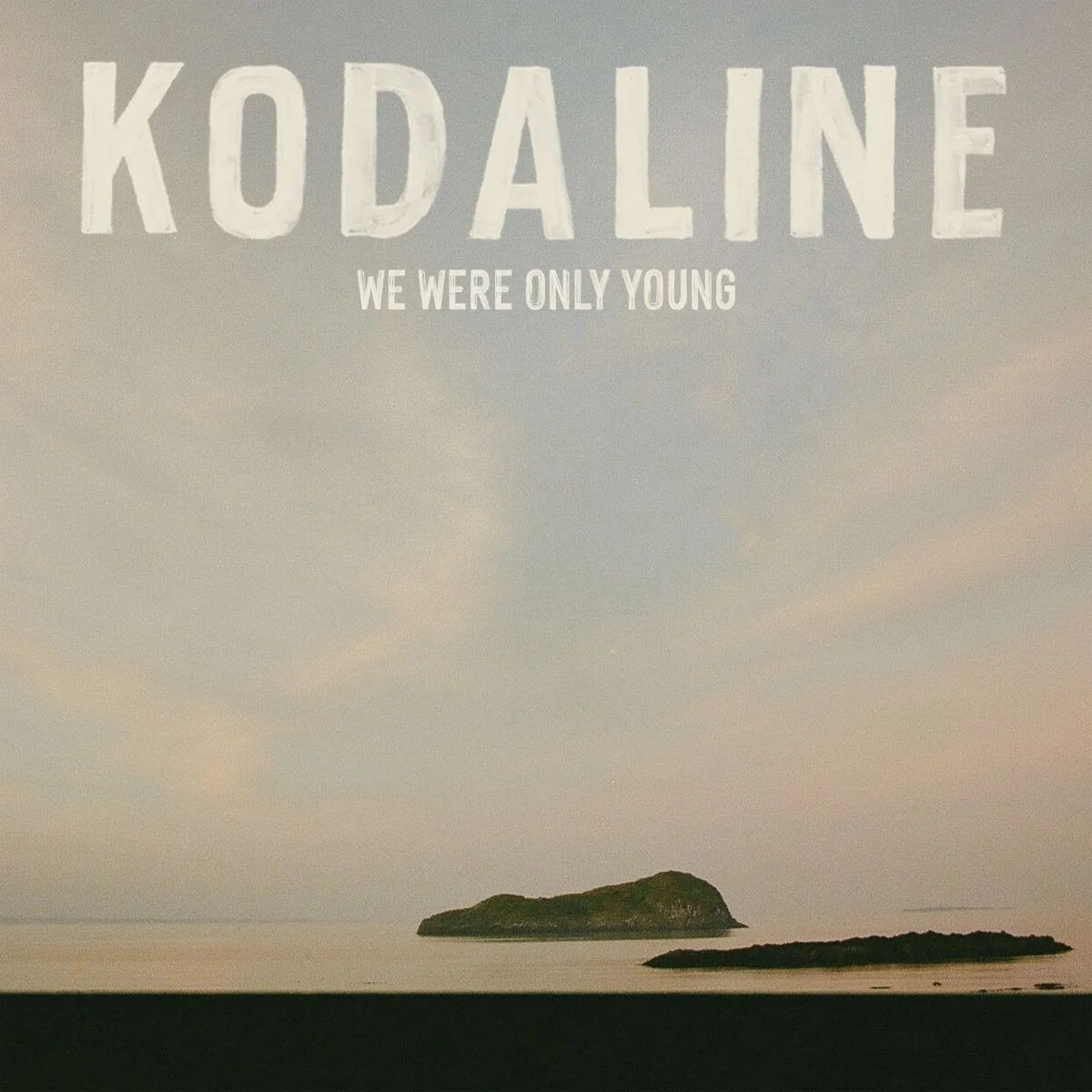
Album Review: Jessie Ware - 'Superbloom'
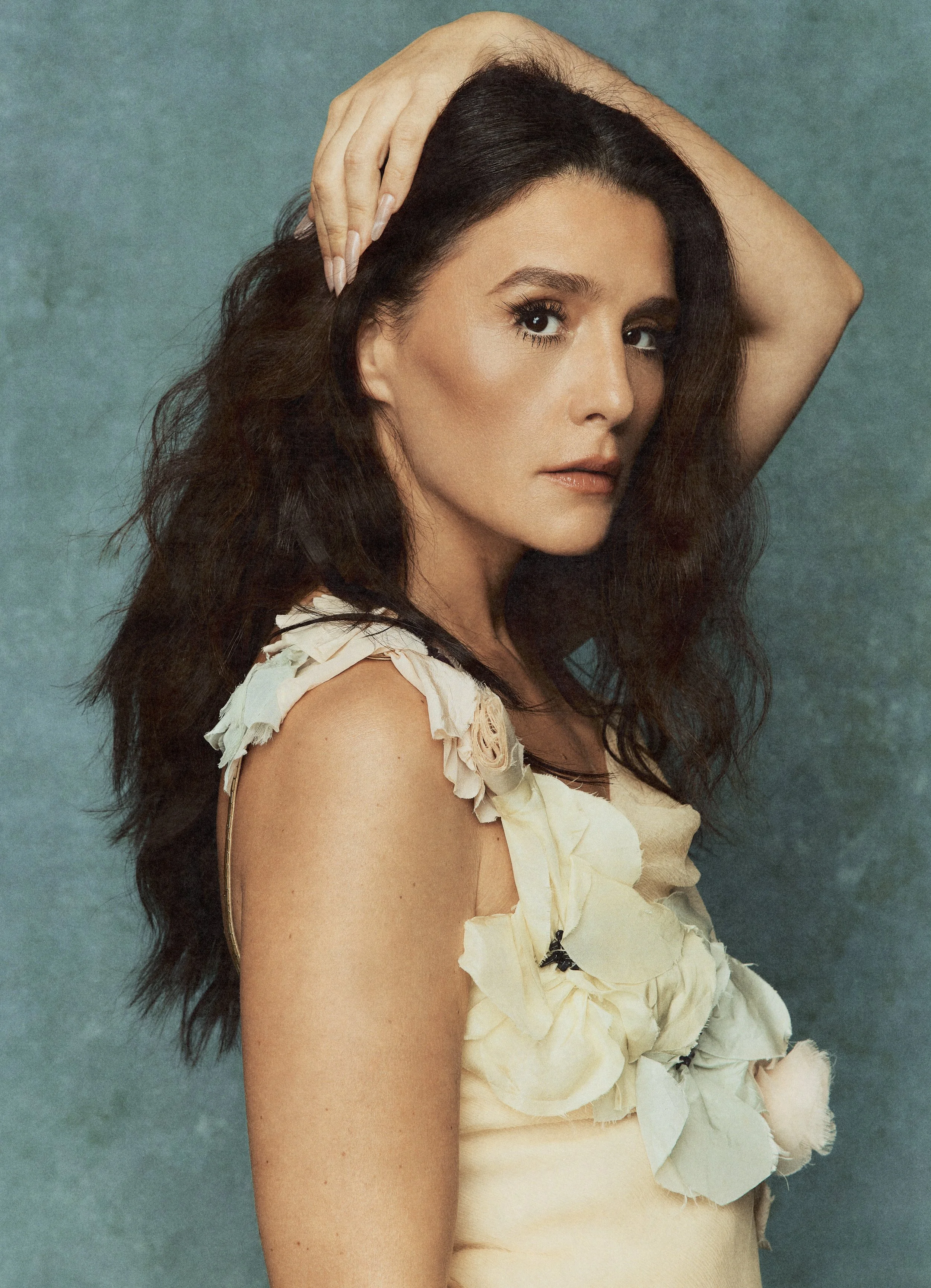
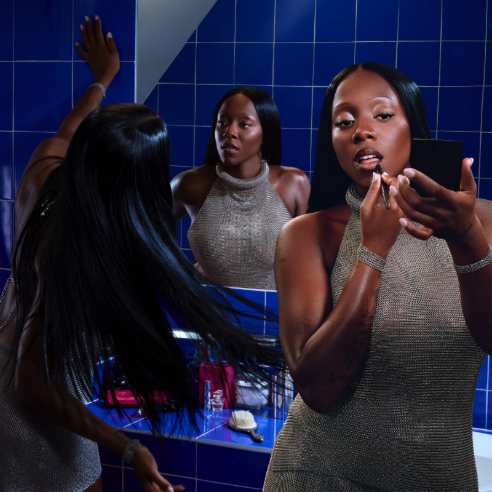
Jessie Ware’s journey from a busy journalist to a sophisticated pop star hasn’t always been the most obvious career pivot. While she was busy penning articles for The Jewish Chronicle and the Daily Mirror, her colleagues remained blissfully unaware that she was quietly building a music career. The seeds were sown in the shadows; between 2009 and 2011, her impressive backing vocals for the likes of Sampha, SBTRKT, and Florence & the Machine earned her a record deal. It was a breakout debut built on restraint, but on her sixth studio album, Superbloom, Ware has perfected the art of not holding back. She describes this record as “earned, intentional and transformative”, and the music feels as expansive as that mission statement suggests.
If her debut, Devotion, was defined by a shy melancholy, Superbloom is the sound of an artist who has finished her apprenticeship in the dark and stepped into the midday sun. It is a testament to a hard-won confidence. During the What’s Your Pleasure? tour, Ware famously worked with a choreographer to master a custom microphone whip. It wasn't just a prop; it was a physical manifestation of her evolution from a stationary chanteuse to a confident and playful performer. This new record functions as a fantasy world of escapism, a trajectory she has been refining since her fourth album. Yet, Ware remains grounded. She acknowledges that while she doesn't fit the mold of the typical pop star, she has learned to balance a love for glamour and fun with a desire to dig deeper into her real relationships and appreciate the love she has.
Take the title track, Superbloom, a piece of spiraling piano funk that serves as the album’s thesis. With a winsome sentimentality, Ware whispers, “Touch me with sun-kissed memories, you are the one to send me into this ecstasy.” The delivery is both subtle and direct, eschewing the vocal gymnastics of her peers for a liberated, experimental edge. It is Ware at her most free. The indie-dance gem Mr Valentine pulses with nervous energy that wouldn’t sound out of place on an early Friendly Fires album, while the warped disco-synth loop that propels Ride captures the singer as a self-assured flirtatious cowgirl.
This evolution is most evident in what is missing: the enigmatic and mysterious sadness that clung to her first two records, Devotion and Tough Love. In its place there is a newfound capacity for joy. Even in her most vulnerable moments, she finds gratitude. On the track Summers, soundtracked simply by a piano, Ware reflects on her children growing older. It is an introspection that borders on the divine, a quiet, devastatingly beautiful moment that strips away the glitter and the sequined capes to reveal Ware as one of pop's most gifted classicists.
If Summers provides the emotional weight, the lead singles I Could Get Used To This and Automatic provide the propulsive, neon-soaked engine. Reunited with producer Barney Lister, Ware opts for a texture that is grittier and more tactile than the sleek surfaces of That! Feels Good! The foundation of I Could Get Used To This is built upon a bassline so thick and rubbery it feels like it’s being pulled through molasses, a clear nod to the sophisticated post-disco of Change or the more adventurous corners of Grace Jones’s Compass Point sessions. Her vocal delivery here has undergone a fascinating transformation; she no longer feels the need to outrun the beat. Instead, she sits inside it, phrasing playful and rhythmically astute with smart one liners like “Pablo silhouette, Venus energy”.
Then there is Automatic, a track that feels like the spiritual successor to the throbbing pulse of Free Yourself, yet it trades bravado for a psychedelic, krautrock euphoria that eventually leads into an operatic crescendo. Produced in part by frequent Shygirl collaborator Karma Kid, the song borrows the cinematic sweep of Confessions on a Dance Floor-era Madonna but anchors it with Ware’s distinct British soulfulness.
Ultimately, Superbloom reveals that Jessie Ware has mastered the art of the grown-up pop record without sacrificing an ounce of its hedonistic thrill. Where her contemporaries might use nostalgia as a crutch, Ware uses it as a springboard. She isn't just recreating the sounds of her peers; she is inhabiting them with the wisdom of someone with real experience. It is an album that doesn’t just show growth; it displays a total, triumphant flowering of an artist who has finally found her soil.
Words by Oliver Evans