Album Review: Phoebe Bridgers - 'Lost Weekend'
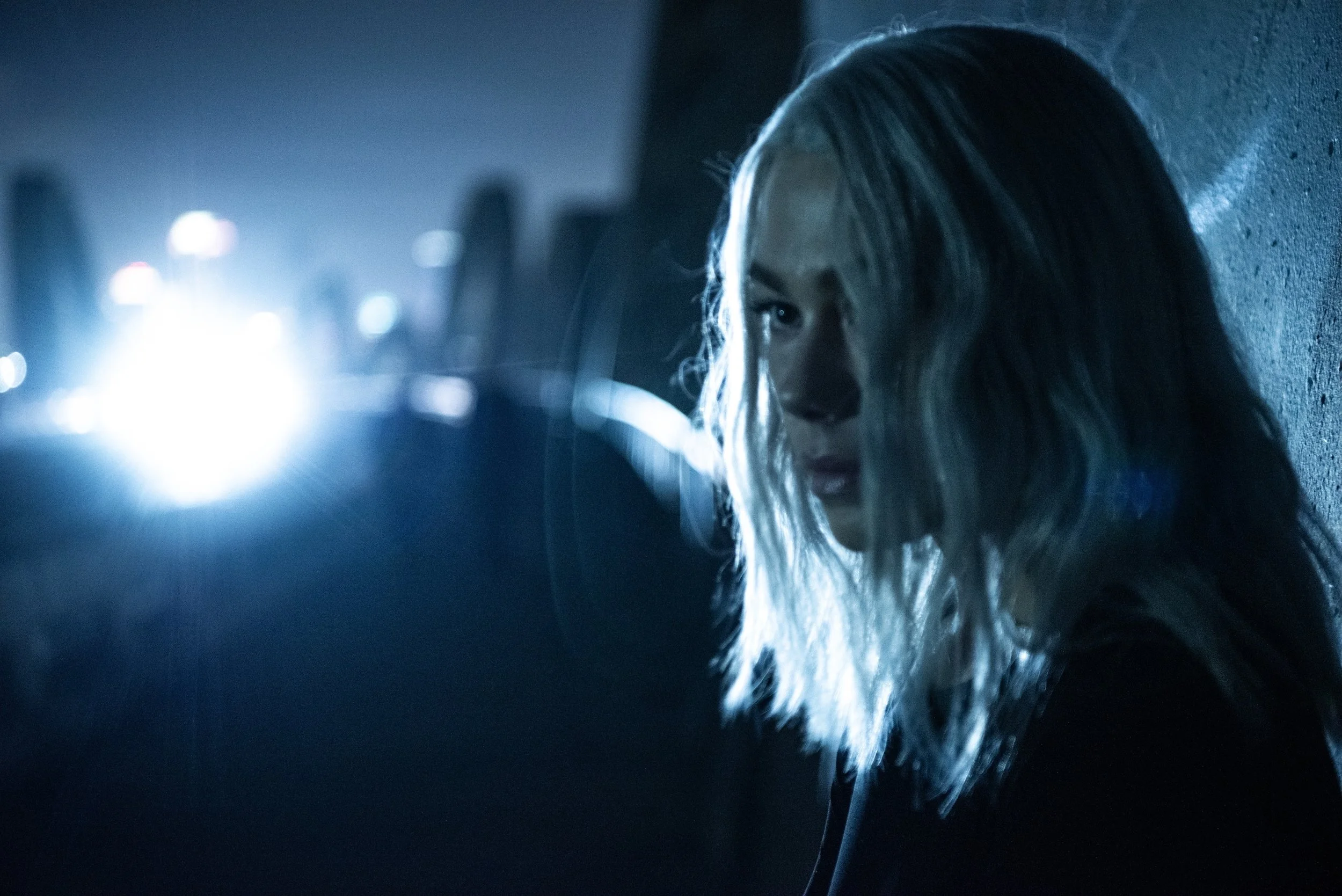
Phoebe Bridgers has always understood the peculiar power of restraint. Across her music, melancholy has rarely arrived as simple sadness. It is stranger than that, suspended somewhere between intimacy and alienation, where grief, desire and self-consciousness become difficult to separate. On Lost Weekend, her third solo album and first in six years, Bridgers retreats further inward. The result is her quietest and most cohesive record to date, a work that expands and contracts around experiences that feel solitary, peculiar and unmistakably her own.
Lost Weekend occupies the porous territory between indie folk, ambient music, acoustic songwriting and electronic production. Its arrangements are often skeletal, allowing small sounds to acquire disproportionate emotional weight. Bridgers has always had an ear for the uncanny, but here she seems less interested in inviting the listener into her world than in controlling how much of that world they are permitted to see.
"The Outside" establishes this distance immediately. Bridgers' voice is filtered through an almost unrecognisable sci-fi vocoder, transforming her familiar vocal presence into something remote and extraterrestrial. The effect is particularly apt given the planetarium setting in which she introduced the album. The song moves through clipped, cryptic phrases and deliberate silences, shifting between perspectives without ever settling comfortably into one. It feels almost antagonistic towards the conventions of audience participation, as though Bridgers is deliberately interrupting the instinct to sing along. The intimacy is there, but it has been placed behind glass.
The album's emotional centre is grief, particularly the death of Bridgers' father, Tony, in December 2022. On "Still Standing", she confronts the complicated history of their relationship, while "Never Going Back!" incorporates a voicemail from her father, set against a delicate banjo arrangement. It is an unusually vulnerable gesture, but Bridgers resists turning it into easy catharsis. Instead, the recording becomes another ghostly object within an album preoccupied with memory and absence.
That sense of absence extends into her treatment of love. Lost Weekend looks backwards as much as forwards, revisiting past relationships while documenting the formation of something more stable. The title track alludes directly to her broken engagement with Paul Mescal, with Bridgers singing, "I'm supposed to be married, but I called it off." Elsewhere, "The Governor's Waltz" appears to gesture towards Gracie Abrams, Mescal's partner after Bridgers, turning romantic aftermath into something more complicated than conventional heartbreak. There is jealousy here, certainly, but also an almost forensic curiosity about the people and circumstances left behind.
"Bobby" is perhaps the album's most surprising departure. A shoegazing rush featuring guitar contributions from Justin K. Broadrick of Jesu and Godflesh and Mike Kinsella of American Football, it may be the most exuberant song Bridgers has recorded. Its churning guitars capture the dizzying, transformative quality of happiness, while its lyrics complicate that happiness with an almost comic devotion. "And if you didn't like either one of my friends / I'd kill them," she sings, stretching the threat into something simultaneously affectionate, absurd and faintly unsettling. The song understands that love can liberate while also making us dependent.
The surrounding tracks, from "Lost Boys" and "Kill Me" to "Haunted", "Panorama", "Liberty Tree" and "Other Plans", deepen the album's atmosphere of estrangement. "Lost Parade", "I Can't Wait" and "As Above" continue this inward movement, while "Lost Weekend (Reprise)" closes the record by returning to its central mood of unresolved reflection. These songs do not so much explain Bridgers' experiences as circle them, allowing uncertainty to remain part of the emotional architecture.
What makes Lost Weekend compelling is its refusal to convert pain into spectacle. Bridgers writes about fame, grief, romantic collapse and the pressures of being publicly understood, yet the album consistently pulls away from confession as performance. Her dissociation from celebrity becomes part of the record's subject. She seems increasingly aware that intimacy itself can become a form of exposure.
If earlier Bridgers records made a virtue of their emotional directness, Lost Weekend is more elusive. Its silences matter as much as its declarations, and its most affecting moments often emerge from the spaces between songs, memories and relationships. This is an album about learning how to inhabit the aftermath of things that cannot be repaired. Quiet, strange and meticulously composed, Lost Weekend finds Bridgers at her most controlled, and perhaps therefore at her most revealing.
Words by Danielle Holian