Album Review: White Lies - 'Night Light'
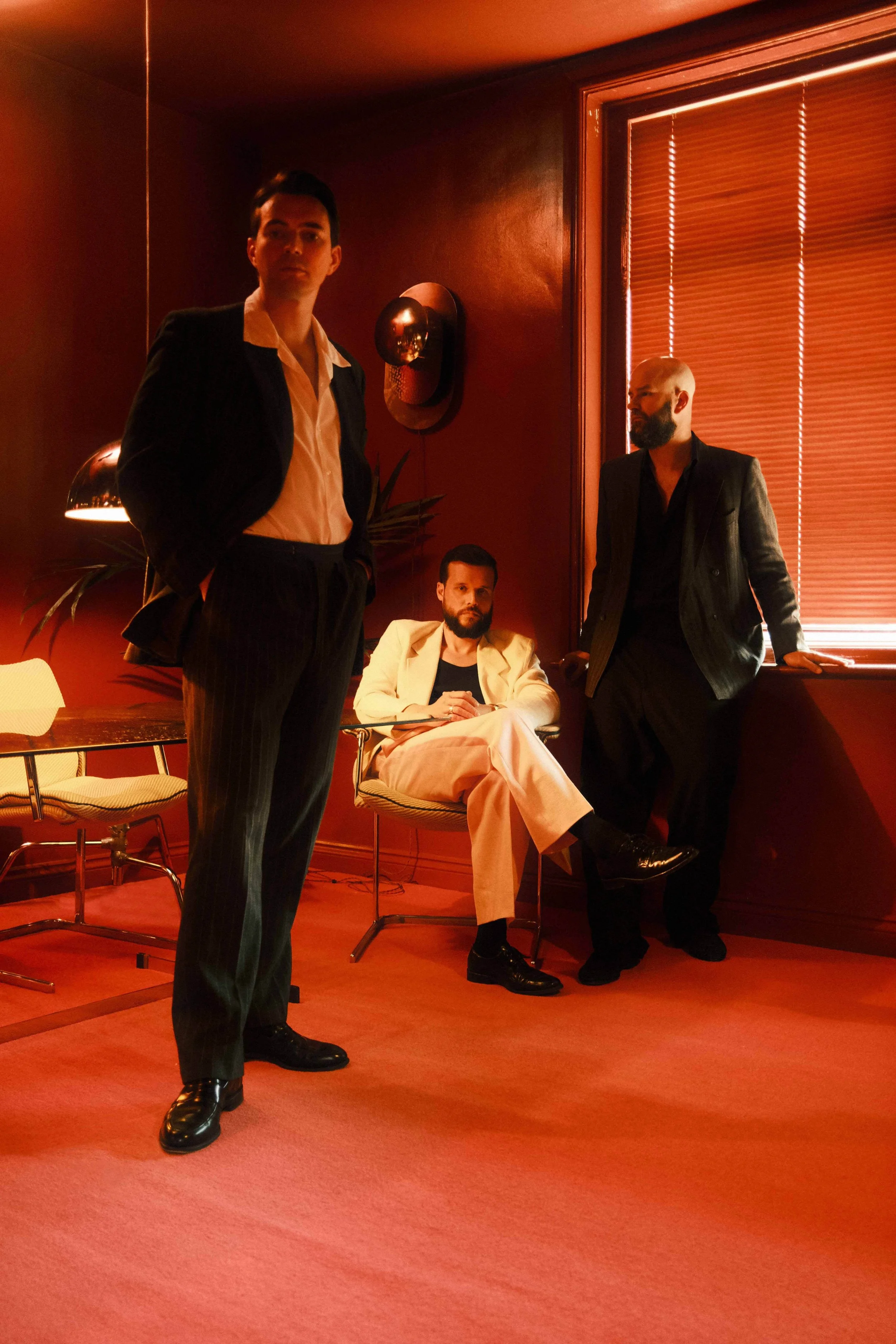
White Lies, one of the UK’s boldest guitar bands, emerge with dazzling results after embracing new tricks to create their seventh album ‘Night Light’.
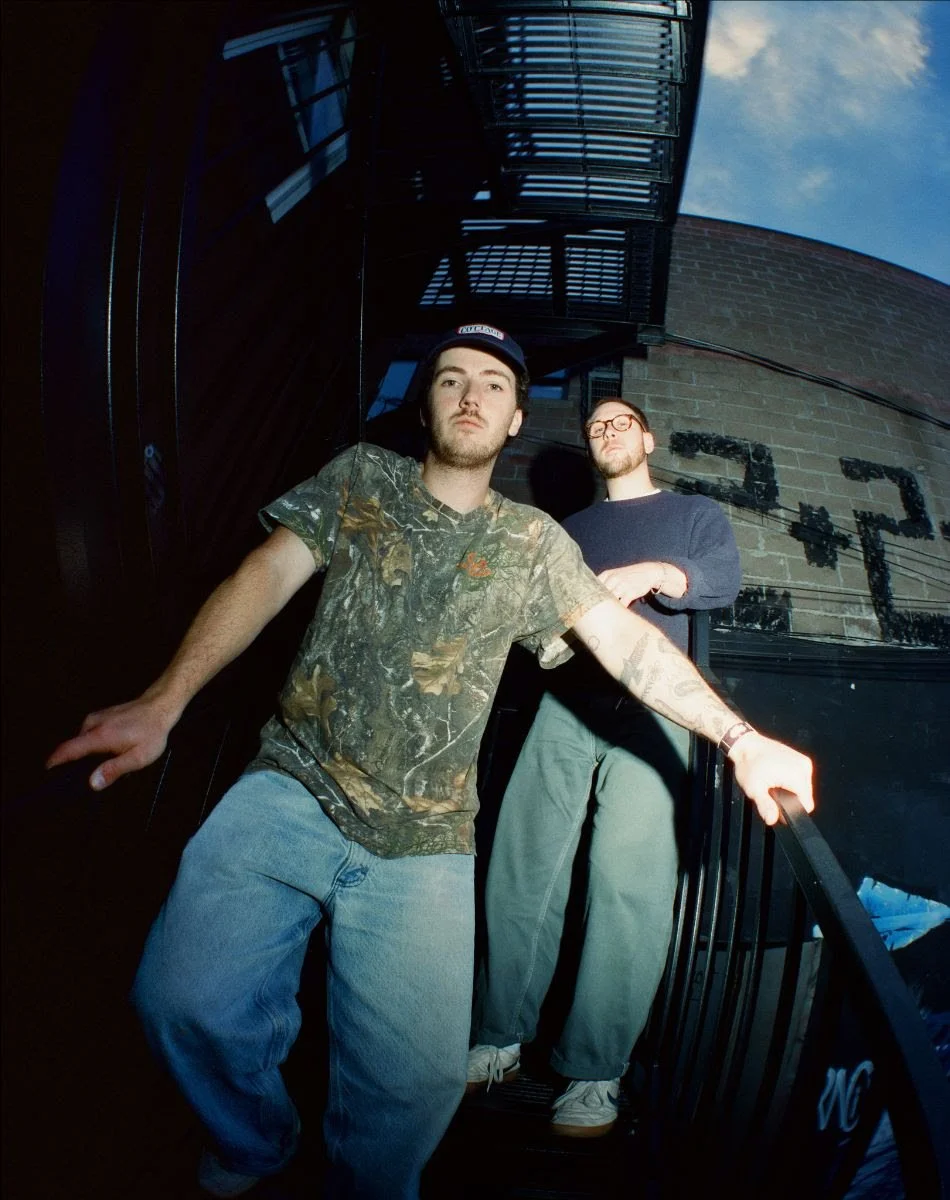
The nine-track release, the trio’s first since 2022, sees frontman Harry McVeigh, bassist Charles Cave and drummer Jack Lawrence-Brown venture into new territory by writing the songs live in McVeigh’s spare room, and in the round at London’s Church Studio, before committing them to tape. It is the first time the good friends have worked in this way, almost 20 years into their storied career.
For their emergence in the post-punk revival scene of the mid-to-late 00s, ‘Night Light’ skews in the musical direction of the seventies, encompassing a multitude of genres. There’s funk, disco, and synth soundscapes, aided by Black Midi collaborator Seth Evans, who contributed significant keyboards and ideas. There are moments of prog rock – inevitable when citing Steve Hillage’s 1977 album ‘Motivation Radio’ as a direct influence - as well as sounding like Bruce Springsteen and Talking Heads in back-to-back tracks in the middle of the album.
‘Nothing On Me’ is a risky opener. The album’s shortest track, and the band’s fastest ever song, it starts with a bubbling synth before bursting into an instant fun track full of aggressive noise, which the band used to open their small number of summer shows this year.
Their boldness allows them to pivot into the slower, groovier ‘All The Best’, which shows the trio’s natural maturity in a track about not being the boy. In it, Harry sings one of my album’s standout lyrics: “I gave the black days too much time, and the good days not enough.”
“Please, I want you to be here right now.” So opens ‘Keep Up’, a pleading song which centres around a strong chorus where the title is repeated four times before singing “don’t block my rhythm again”. It’s pacey but controlled, forming a pure pop song laced with yearning. It was one of the pre-released tracks from the album, and is a clear signal of the band’s ambition.
Meanwhile ‘Juice’ is one of the album’s more anthemic moments, highlighting White Lies’ commitment to communal melodies that ache for big stages. “I don’t believe in fate except for when I do.” A refined brother to 2011’s ‘Bigger Than Us’, you can expect ‘Juice’ to be one of the highlights when the band hit the road in 2026.
At the centre of the album is ‘Everything Is Ok’, a beautiful Springsteen-esque ballad. It’s a little bit gut-wrenching to hear Harry’s strong vocals as he says: “I said everything is ok, or nothing would be ok again.” The tenderness creates an emotionally deep and fragile track, something that reflects Bruce, or any of the recent pretenders to the Jersey man’s throne. ‘Everything Is Ok’ is more than okay, but an album highlight.
Next is the Talking Heads-lite ‘Going Nowhere’, the first song written and recorded for the album. “Let’s buy a farmhouse, let’s buy an igloo” has been ripped from a David Byrne lyric book, but the whole thing has the New Yorkers’ ethos and late 70s texture. White Lies have been vocal about the inspiration they took from live performances on the American TV show ‘The Midnight Special’. Whilst Talking Heads weren’t on the show themselves, the era is honest. The repeated refrain of the title ‘Going Nowhere’ rings in the ears long after the track has finished.
The intertwined sections that form the title track create a calmer piece of the album’s whole puzzle, before twisting into something more energetic towards the end. It harks back to the band’s history, encouraging multiple listens to unpack the mysteries within track seven. “Cover my eyes and keep the night light out.”
Penultimate track ‘I Just Wanna Win’ feels a little grittier, but just as memorable. The atmospheric verses gradually build like a prog rock classic towards the chorus: “I just wanna win one time, even though the game is over.” The result is a prime example of the fun and emotive work that White Lies do best, wrapped up in something that feels very alien to the band behind ‘Farewell To The Fairground’, but in a good way.
The album’s longest track is left for last, with the propulsive ‘In The Middle’ eclipsing six minutes. It has pulsing synths, soaring vocals and another of Charles’s driving basslines. It sees a band unafraid to take chances, but also remaining true to themselves. The fizzling outro showcases the band’s unity, with a sense of momentum to round out the album.
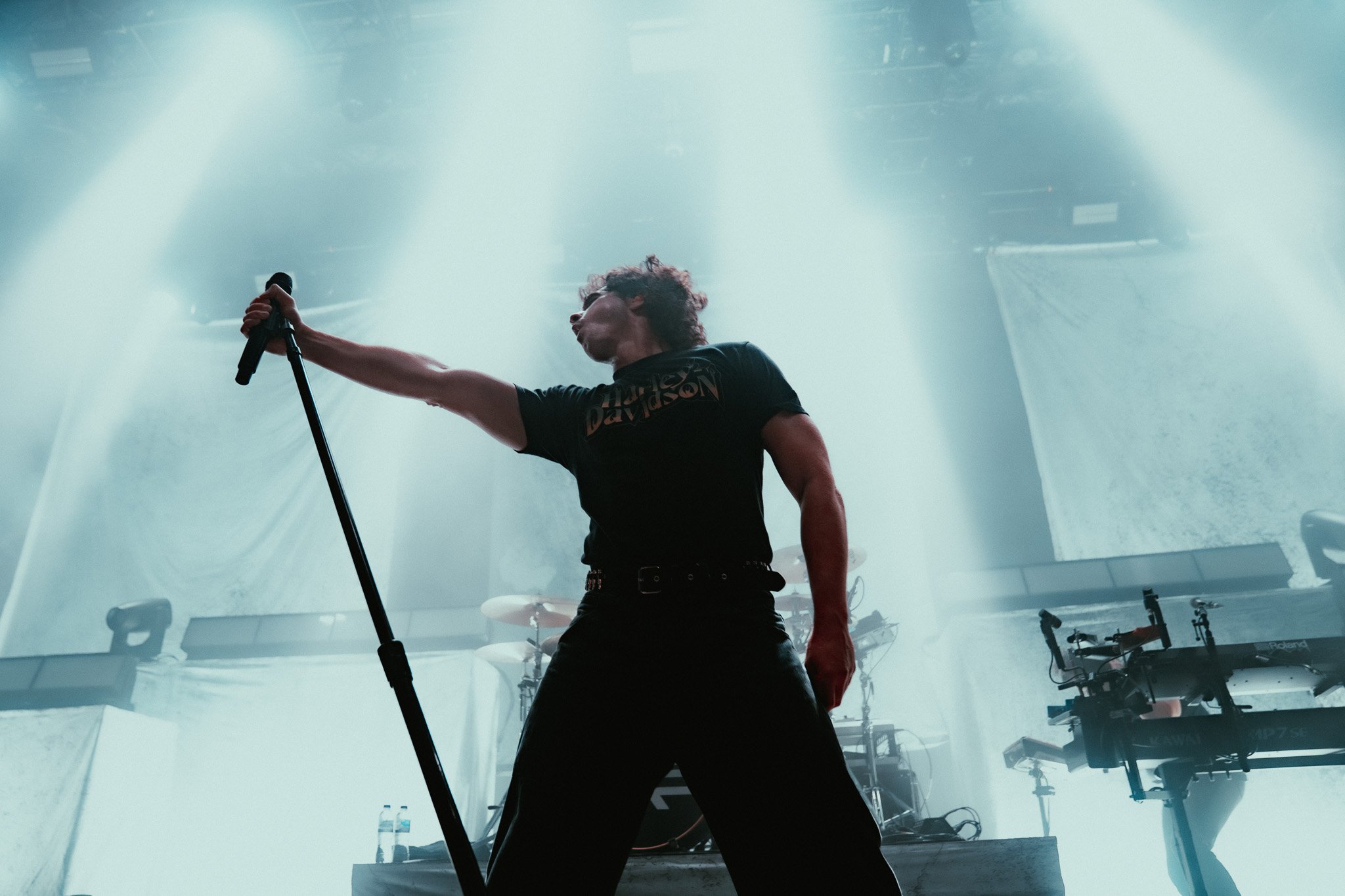
The live approach to the writing process has allowed them to see each member’s contributions – as well as verging into new territory with Seth’s synths and ideas. It’s ultimately given the band new confidence, and a body of nine songs that can compliment the likes of ‘Death’ and ‘There Goes Our Love Again’ during live shows.
Eschewing the multi-track route is hardly revolutionary, even by the band’s own admission, but producer Riley MacIntyre has brought out the best in one of the UK’s best live bands. In ‘Night Light’, White Lies capture the moment and have fun, taking disparate styles and fusing them with the band’s dark musical core. It’s something that should set the trio up well for the next stage of the band’s career.
As White Lies frontman Harry McVeigh reflected during album promo, “We finally know what we’re doing”. Based on ‘Night Light’, it’s hard to disagree.
Words by Samuel Draper