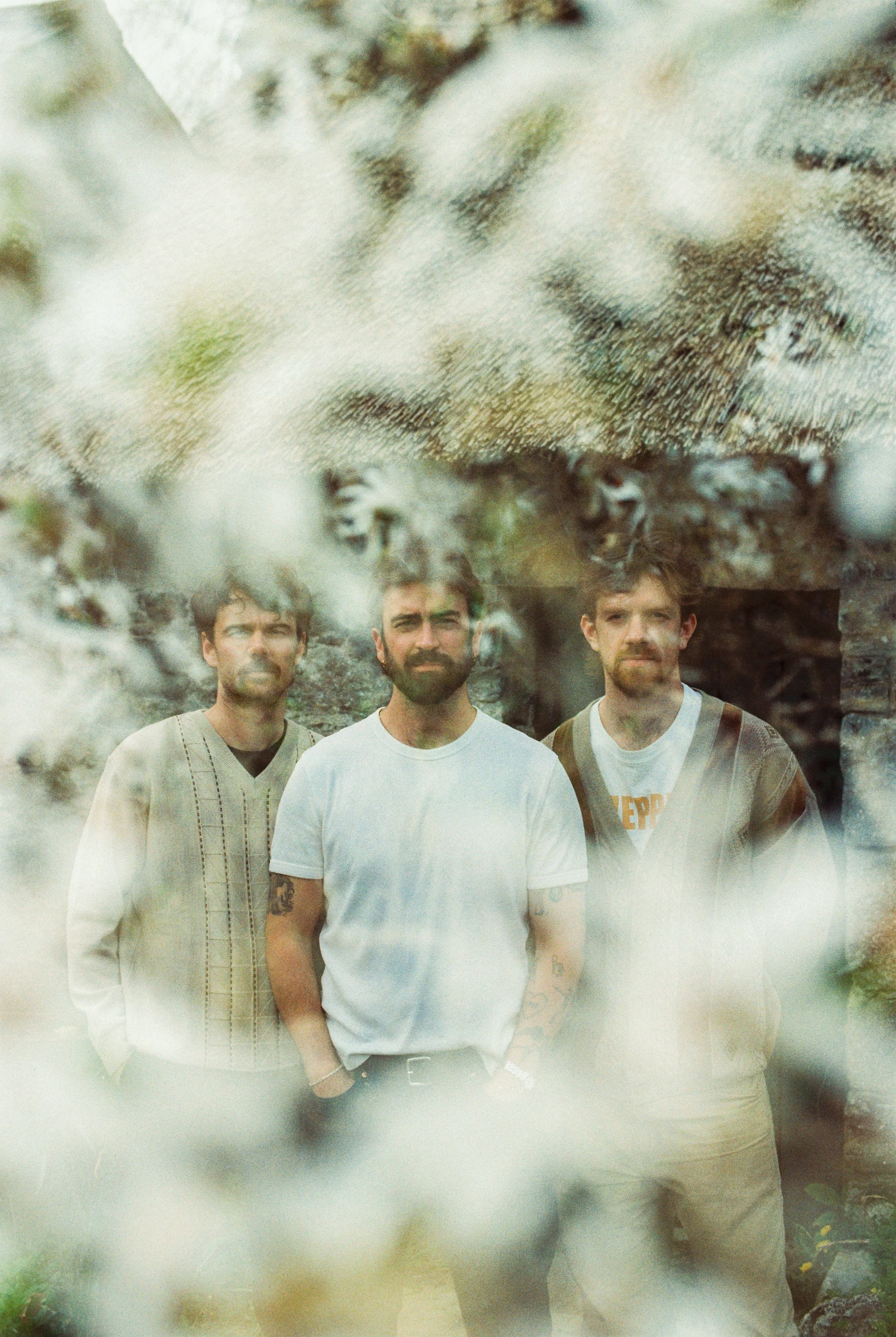
Album Review: Kaleo - 'Mixed Emotions'
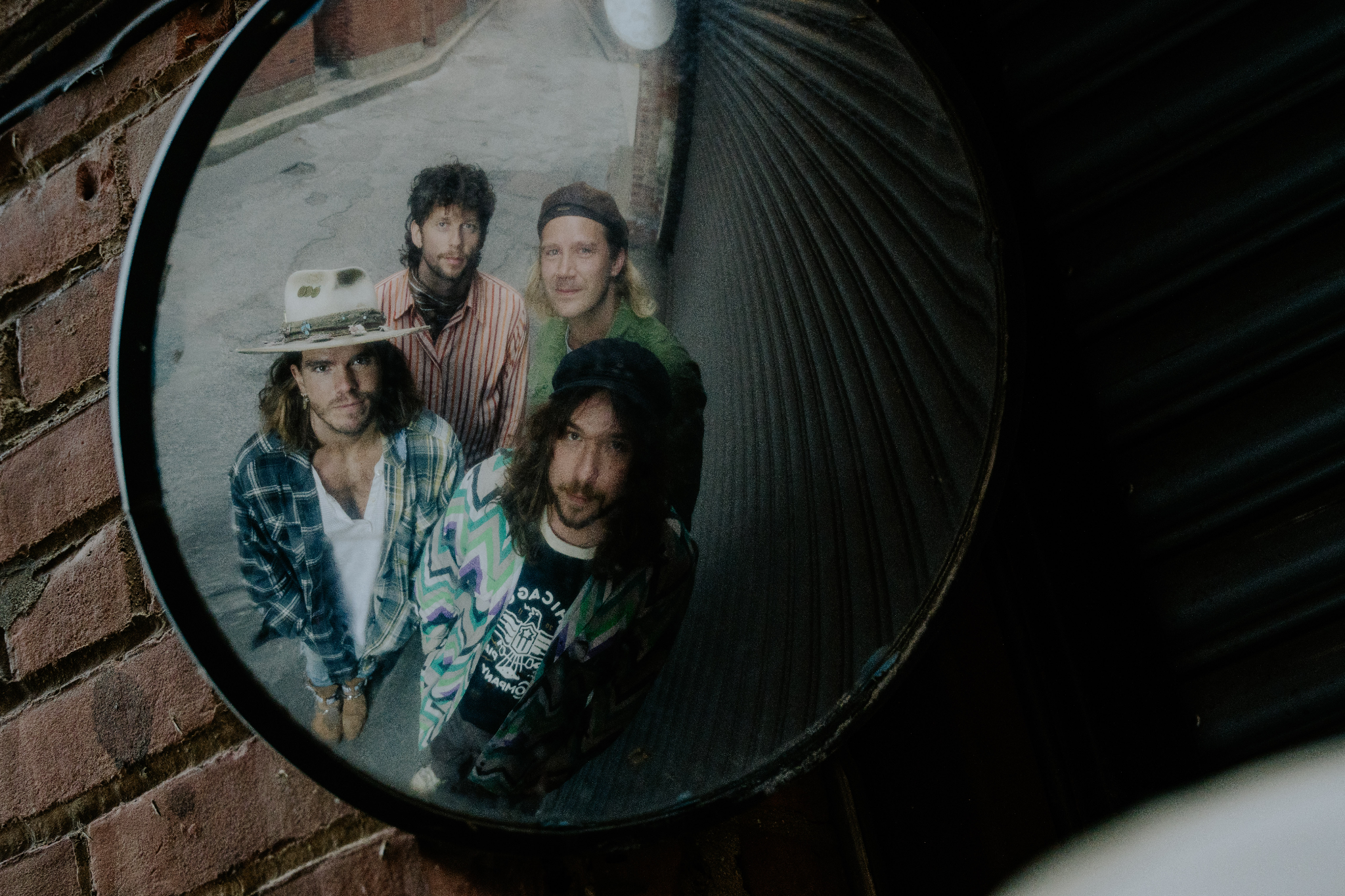
Kaleo's fourth album 'Mixed Emotions' is as enrapturing as it is enraging, as passionate as it is poignant, and deserves listen after listen after listen. And then one more listen for good measure.
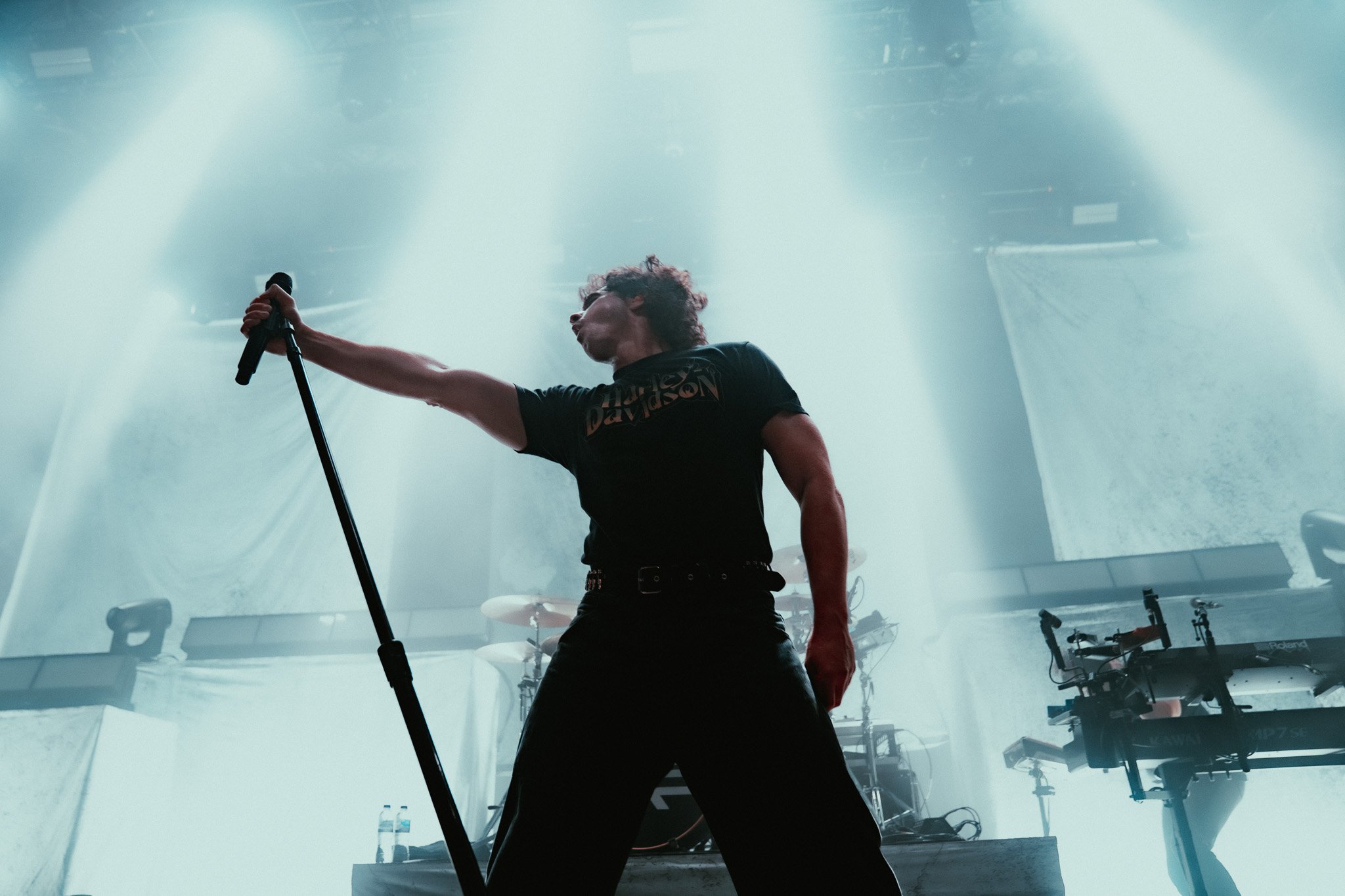
There are good voices, there are great voices — and then there are some that are so disgustingly, painfully good that they change your understanding of the word entirely. Icelandic singer Jökull Júlíusson, lead vocalist of KALEO, possesses one such voice. And yes, disgustingly is exactly the right adverb — because the moment you try to sing along, you’re forced to confront the pitiful limits of your own vocal cords as you silence your singing in shame.
KALEO seemed poised to erupt into global stardom when ‘Way Down We Go’ exploded across every corner of popular culture — from trailers to television dramas, it was everywhere — echoing out of the magma chamber of Thrihnukagigur like a divine prophecy. But despite their cinematic sound, haunting lyrics, and Júlíusson’s volcanic voice, KALEO somehow never quite reached the level of recognition their discography so clearly warranted. They reached the so-called Billion club on Spotify, and deservedly so, but that's about it.
Hopefully, that'll finally change.
On ‘Mixed Emotions’, KALEO have crafted a thunderous, tender, and often harrowing journey through desolation and defiance, death and deathlessness. This is not just an album — it’s a reckoning. With blistering guitars, spectral falsettos, and gut-wrenching crescendos, the Icelandic rock outfit has pushed themselves to their creative brink, offering a body of work that feels both deeply personal and chillingly universal.
The opener, ‘Bloodline’, sets the tone as the squeal of guitars give way to the weary rasp of Jökull Júlíusson’s voice — dark, heavy, and, as always, utterly captivating. As Daniel Kristjánsson’s bass opens up an unassailable, bone-shaking chasm and Rubin Pollock’s guitar slices through the shadowy depths of the track, Júlíusson’s delivery builds from a quiet resignation to seething, barely-contained fury. By the end, his voice warbles as if drained of life, a man with nothing left to give — and yet, as it turns out, there’s a hell of a lot more to come.
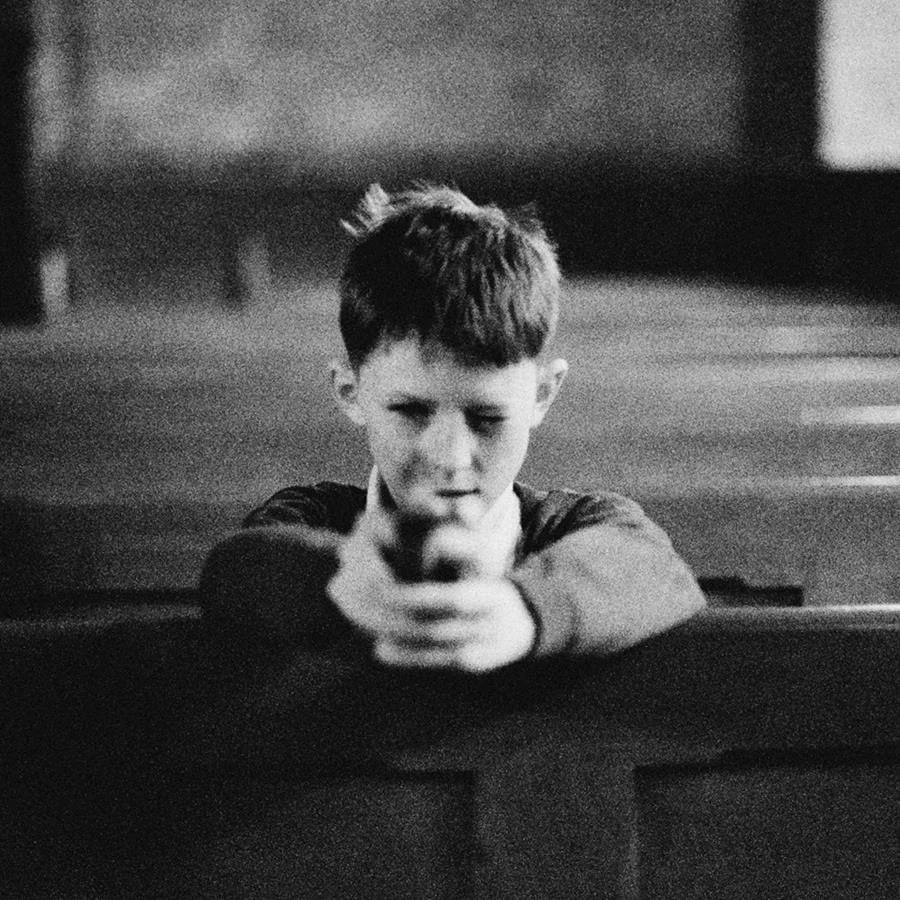
Starting with last year's ‘USA Today’, a single that's nothing short of haunting. It begins with an almost lullaby-like piano and a despondent croon that feels more personal and passionate than many U.S. protest songs — ironic, given KALEO’s Icelandic roots. But their outsider perspective lends weight: Iceland, a nation with widespread gun ownership yet almost no violent crime, provides a stark counterpoint to the chaos of America. That it was written in 2019 -- and is not only just as relevant today but is somehow more so -- is as chilling as the song itself.
The track builds and explodes with frantic, guttural cries that are less lyrics and more primal shouts, snarling at the injustice — especially given that the alternative, stricter gun controls, is a proven solution. That the deaths and suffering are not only undeserved, but entirely unnecessary. So, as the gentle piano and emotional rasps turn into bass-heavy, frantic, growled choruses, the heartbroken lyrics overturned in lieu of the instrumental crescendos, it's hard not to feel the same fury.
To that end, ‘Rock N Roller’ offers some much needed cathartic release — a blast of swagger and grit, all snarls and squeals, like Axl Rose grew up herding cattle under the northern lights. The band’s chemistry shines here, especially in the restraint of the drums, which punch in and out of Júlíusson’s wild delivery with classic rock precision. ‘Run No More’, meanwhile, sees the tone shifts again — introspective, echoing, as wide and as isolated as the Icelandic tundra. It’s impossible not to imagine this track reverberating in somewhere similar to Thrihnukagigur'a magma cavern hosting 'Way Down We Go’. It’s raw, but it's definitely not hopeless — if anything, it breathes defiant perseverance, screaming out with a restless, resolute hope. Beautiful.
And then ‘Back Door’ crashes in with the energy of a barroom brawl. Drums clang like prison chains, as if a fight could erupt at any second, and as a listener you find yourself sucked into the squeals and scuffles of the track. There’s even a moment in the second verse, where Júlíusson reaches a fevered falsetto, that’s almost unnerving in its visceral effect. It’s physical. You don’t just hear it; you feel it in your involuntary shoulder shrug, your own upturned, slightly sneered grimace.
Right back to the slower tracks, now, and it’s time for ‘Lonely Cowboy’. The distinctly cinematic track conjures imagery so vivid you can almost hear the creak of leather and hoofbeats across dusty plains — so, when the bridge kicks in, the guitars twanging and galloping their way under an open sky, the American West is laid bare to be viewed through an Icelandic lens — melancholy, romantic, and endlessly, enviously free.
‘The Good Die Young’ floats you into a void with falsetto vocals and quivering guitar, leaving you bereft and weightless, before wrenching you back into KALEO’s arms with a cathartic final swell; ‘Legacy’ and ‘Memoirs’ grapple with the hereafter, the former, opening with the declaration “I’m going to live forever”, straddles the line between triumphant and terminal, while the latter feels like an echo from the other side, a slow aching farewell that feels vulnerably weary. So, when ‘Legacy’ ends in sudden, palpable silence, the unspoken question — will you? — lingers.
And, finally, ‘Sofðu Unga Ástin Mín’: a traditional Icelandic lullaby, and the album’s closing elegy. Translating to roughly “Sleep, my young love”, the original track was written by Jóhann Sigurjónsson for his play ‘Fjalla-Eyvindur’, based on the real-life story of Icelandic outlaws Fjalla-Eyvindur and his wife Halla. The story behind the song? A mother singing the lullaby to her child before casting her into a waterfall.
Likely the first song that any Icelandic child hears, invariably including all of KALEO, the track’s… stunning. Not just the lyrics, whether in the haunting native tongue or reading their English counterparts; the actual track, as it appears on the album, seems somehow both perfect and heart-wrenchingly painful. Preceded by the aforementioned tracks ‘Legacy’ and ‘Memoirs’, a duo which seem fascinated by what’s to come and what’s left behind, a closer harking back to the very beginning of a life seems… fitting. The beautifully foreboding intro gives way to a breath-stopping, tear jerking track (and a fantastically monumental guitar solo from Rubin Pollock, soaring above the quiet desolation) that somehow makes everything that’s come before feel… meaningless. Everything that came before feels small by comparison — not because it wasn’t good, but because this feverishly fitting finale reframes it all with harrowing, heart-stopping finality. The fact that the ultimate standout of the album is a track that most of the band’s Western audience won’t ever understand is just another notch on the Icelandic group’s belt, and perhaps a sign that they don’t always have to rely on the rocky, bluesy, Americanised trope that seems to dominate their back catalogue.
On ‘Mixed Emotions’, KALEO have not just explored musical extremes — they’ve lived them. From rage to resignation, from heartbreak to hope, this is an album that dares to confront what most rock records only gesture at. It’s staggering, cinematic, and unforgettable. It might not be perfect, but if anything, that just better encapsulates what the album is; like life, it’s messy, it’s sad, and it’s sometimes awfully painful — yet the moments of beauty become all the more spectacular for it.
Words by James O’Sullivan