Album Review: Snail Mail - 'Ricochet'
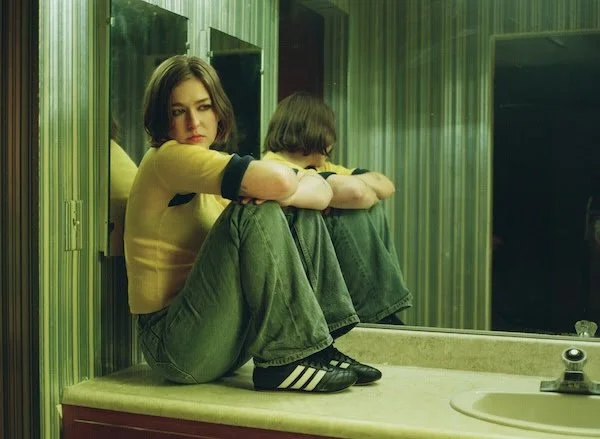
Five years after the striking and heartbreaking Valentine, Lindsey Jordan returns with her third studio album, Ricochet, a record that feels less like a diary entry and more like a transition into adulthood. Now 26 and resettled in Greensboro, North Carolina, Jordan has traded the immediacy and chaos of her youth for a settled, low-key life. You can feel this in the record, which is defined by a newfound vocal clarity, the result of a 2021 surgery for vocal polyps, and a deep-seated obsession with mortality inspired by Charlie Kaufman’s Synecdoche, New York. On Ricochet, Snail Mail isn't just singing about heartbreak; she goes deep into existentialism, helping her realize and accept “that the world still turns no matter what is going on in your tiny life.”
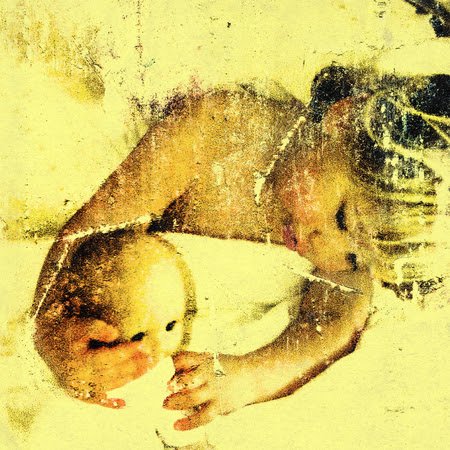
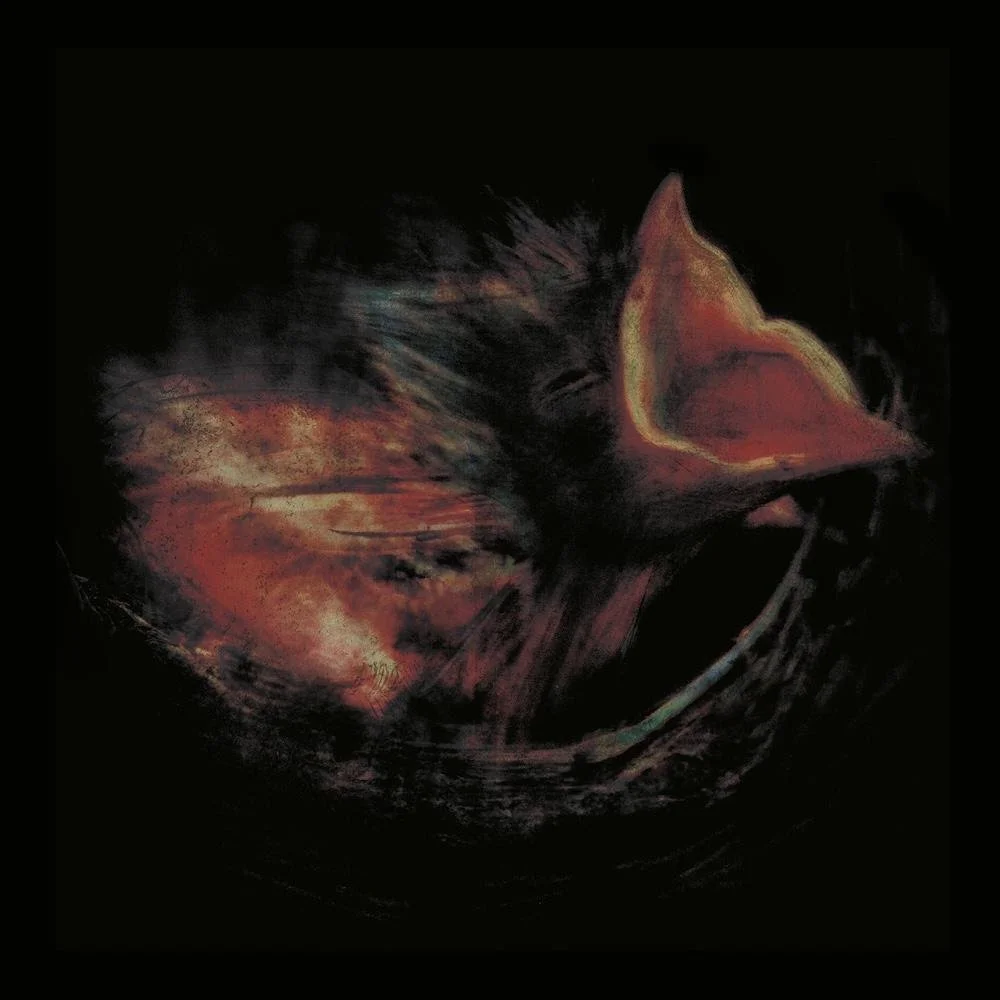
Co-produced by Jordan and Momma’s Aron Kobayashi-Ritch, the record is a lush love letter to the turn of the millennium. The power-pop opening "Tractor Beam" and the grungy "Dead End" evoke the golden era of Liz Phair, The Sundays, and even the radio-friendly hooks of Avril Lavigne. The inspirations are clear, even when looking at the album cover, a clear tribute to The Sundays’ Reading, Writing and Arithmetic. Nevertheless, none of this takes away from her originality; instead, it adds to her own unique vision. Ricochet is not mere nostalgia, but rather an outlet that serves as a homage to her roots.
Jordan employs brass choirs, grand string arrangements, and piano throughout the record, resulting in an expansive but diverse listening experience. This is evident in tracks like "Cruise," but it is also contrasted by the standout “Light On Our Feet,” a heartwarming, stripped-back love song which feels like a breeze inside an album filled with moments of isolation and an internal tug-of-war between the need to belong and the desire to disappear.
Lyrically, the album moves away from the edge and heartbreak of her earlier work. Jordan, who grew up Catholic, uses religious imagery as a playground for her anxieties. On "My Maker," she imagines flying a plane to heaven only to "tarry at the airport bar”. The fear of death is the record's deeper theme. On the track "Hell," which channels The Cranberries, she plainly admits she is "scared to die," while the title track, "Ricochet," finds a strange peace in nihilism: "If nothing matters / we can do whatever we want." This isn't a depressive record, but rather a searching one. As she notes in a recent interview with The Fader, she is no longer "bathing in her own agony," but rather studying it from a distance.
One of the most haunting tracks is "Butterfly," a song that masterfully shifts from fast-paced guitar melodies to a sudden descent in which she sings about transformation, the struggles of being a new artist in the industry, and substance abuse, a recurrent theme in the record: “You want a trip? / You want a quick vacation? / I saw you sneaking undercover / Taking something then another / Just to feel alive / And you are.” She has successfully navigated the transition from indie-rock prodigy to a mature songwriter capable of handling heavy themes without losing the spark that made her a staple of the genre.
In the closing track, “Reverie,” she sings: “Older, now I’ve realized / All my heroes are nothing more than socialites / Fuck them too / But you’re a lighthouse / In my cold, stormy life / And I could do it all the time.” These lyrics resonate with the current climate and suggest that life is still worth living, no matter what is happening around you. You matter and your actions matter, but the anxiety and disproportionate emotions are simply not worth it in the grand scale of things.
Ricochet is not as bold and "in your face" as its predecessor, but it’s still a triumph of restraint and growth for Jordan. It follows a similar path to Japanese Breakfast’s For Melancholy Brunettes (& Sad Women) and Lucy Dacus’ Forever is a Feeling, subtle and low-profile records acknowledging the simpler life and its temporary state. Snail Mail has lost the angst of her teens, but in its place, she has found a voice that is stronger, more mature, and ready to face the unknown.
Words by Marcos Sanoja