Album Review: Arlo Parks - 'Ambiguous Desire'

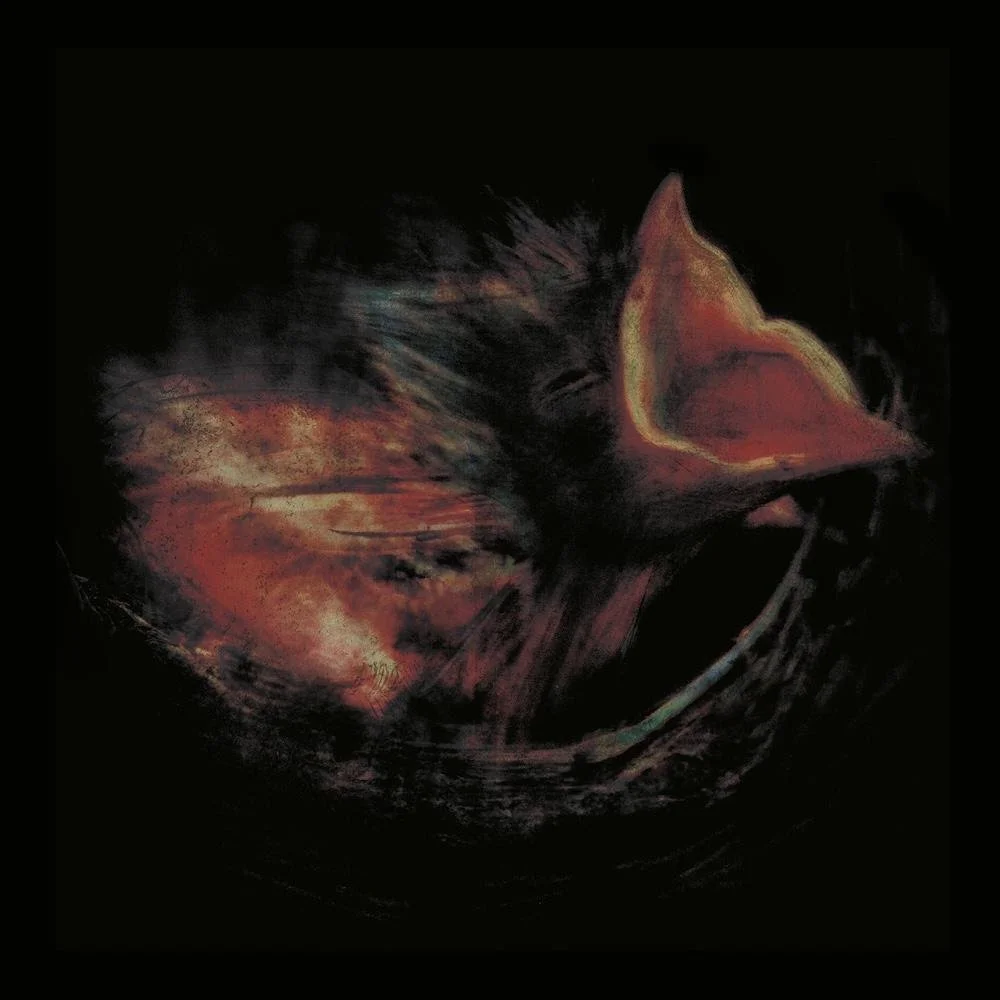
Three years after her last full-length release, Arlo Parks returns with Ambiguous Desire, a record that further cements her place as one of the UK’s most emotionally transparent voices. Across the first half of the decade she has already delivered two defining projects: the Mercury Prize-winning debut Collapsed in Sunbeams and 2023’s introspective My Soft Machine. Both albums established Parks as a songwriter capable of turning quiet internal monologues into universal moments of recognition.
In an ostensibly superficial world, Parks’ honesty still cuts through. Her songs rarely hide behind metaphor or spectacle. Instead, they linger in the raw details of love, regret and self-reflection. Ambiguous Desire follows that same instinct. Across singles such as Get Go, Heaven and 2sided, Parks once again peels back her layers, offering listeners another intimate glimpse into her mind. Vulnerability has always been her greatest strength, and here it remains the album’s emotional centre.
Opening track Blue Disco eases listeners into the record with a sense of weightless calm. A soft electric guitar drifts above a gentle drum pattern while Parks’ comforting vocals set the tone. Lyrically, the themes feel familiar: heartbreak, disappointment and the lingering echoes of something lost. The repeated refrain “I always knew” carries a quiet resignation, establishing the album’s central tension between acceptance and longing.
Jetta shifts the energy immediately. Chopped vocal fragments and a smoother groove give the track a stronger pulse, building toward a chorus that bursts into life. Parks sounds full of character here, her voice carrying both warmth and urgency. By the closing moments the track evolves into something closer to a house rhythm, an unexpected turn that showcases her willingness to experiment within her signature introspective style.
The momentum continues with the single Get Go. A crackling radio sample and crashing drums launch the song forward, while hypnotic keys pull the listener into a trance-like state. Despite the euphoric instrumental, Parks’ lyrics wrestle with the painful decision to let someone go. That contrast is where the track truly shines. Her writing remains razor sharp, capturing the push and pull of emotional attachment, while the instrumental steadily builds toward a thrilling climax and a sense of release.
Senses featuring Sampha blends seamlessly into the album’s flow. Persistent percussion drives the track as both artists explore feelings of vulnerability and self-doubt. Sampha’s soft, aching delivery adds another emotional layer to the song. When Parks confesses, “I can’t find no love for myself,” the moment lands with quiet devastation. Sampha’s closing verse deepens the atmosphere, creating one of the album’s most compelling and long overdue collaborations.
On Heaven, Parks returns to a more intimate space. A soft drum pattern supports her confessional writing, while the refrain “What is in the summer breeze?” floats through the hazy production. The song feels suspended in a warm but fragile atmosphere before dissolving into a gentle instrumental outro.
That intimacy carries into Beams, perhaps one of the album’s most emotionally exposed moments. Bright keys lift the chorus toward something aspirational, yet Parks’ lyrics remain grounded in uncertainty and quiet despair. The line “I know it’s the right thing to do but I don’t wanna” stands out as one of the album’s most striking and relatable confessions. A brief musical detour midway through the track adds texture without breaking its emotional spell.
The brief South Seconds may be short, but it leaves a lasting impression. Parks reflects on the fragile nature of love, acknowledging the delicate balance between winning and losing someone. A simple voice note saying “I miss when we did stuff together” captures the aching nostalgia that runs through the album.
Nightswimming reintroduces the rhythmic pulse that has quietly threaded its way through the project. The track carries a late-night atmosphere, lingering in the aftermath of emotional upheaval. When the chorus arrives, shimmering synths punctuate the line “It’s a moment in time,” bringing a sudden brightness to the melancholy mood. The closing section feels like the blurred calm after a long night out, drifting gently into silence.
2sided leans further into groove. Also released as a single, the filtered drums and glistening keys give the track a subtle 80s shimmer, reminiscent of the glossy nocturnal soundscapes heard on Dawn FMby The Weeknd. Parks glides across the instrumental effortlessly, maintaining the album’s delicate balance between vulnerability and atmosphere.
On Luck of Life, she delivers another quietly crushing line: “Everything reminds me that you’ve left.” The chorus soars while the instrumentation remains carefully layered and nuanced. Throughout the record, the recurring theme of loss never feels repetitive. Instead, Parks approaches it from multiple emotional angles, with each track revealing another shade of reflection.
The penultimate track What If I Say It? slows everything down again. Parks’ voice sounds as delicate as ever as she admits, “Tired of being angry, tired of being brave.” Moments like this underline what makes her songwriting so compelling. Her lyrics feel intensely personal while remaining deeply relatable.
Closing track Florence ties the album together with quiet emotional clarity. Parks has spent the record confronting fear, doubt and insecurity, yet that honesty ultimately transforms into strength. As the drums swell toward the end, they feel almost ceremonial, a rhythmic celebration of everything the album has explored.
With Ambiguous Desire, Arlo Parks once again proves that vulnerability can be powerful. It is a record filled with emotional detail, gentle experimentation and songwriting that cuts straight to the core. Another remarkable addition to her discography, it confirms Parks as one of the most thoughtful and profound voices of her generation.
Words by Alex Peters