EP Review: Pyncher - 'I Really Mean It This Time'
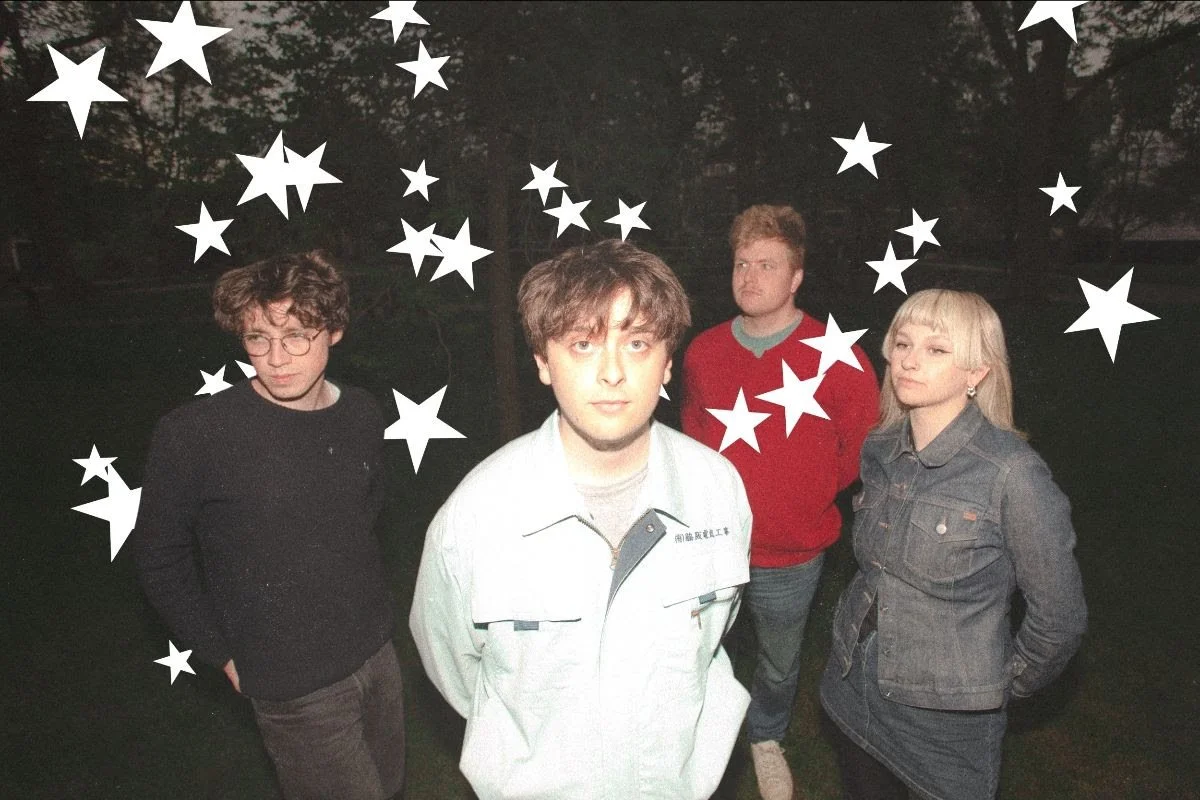
Pyncher really means it this time with a memorable EP that refuses to fit in.
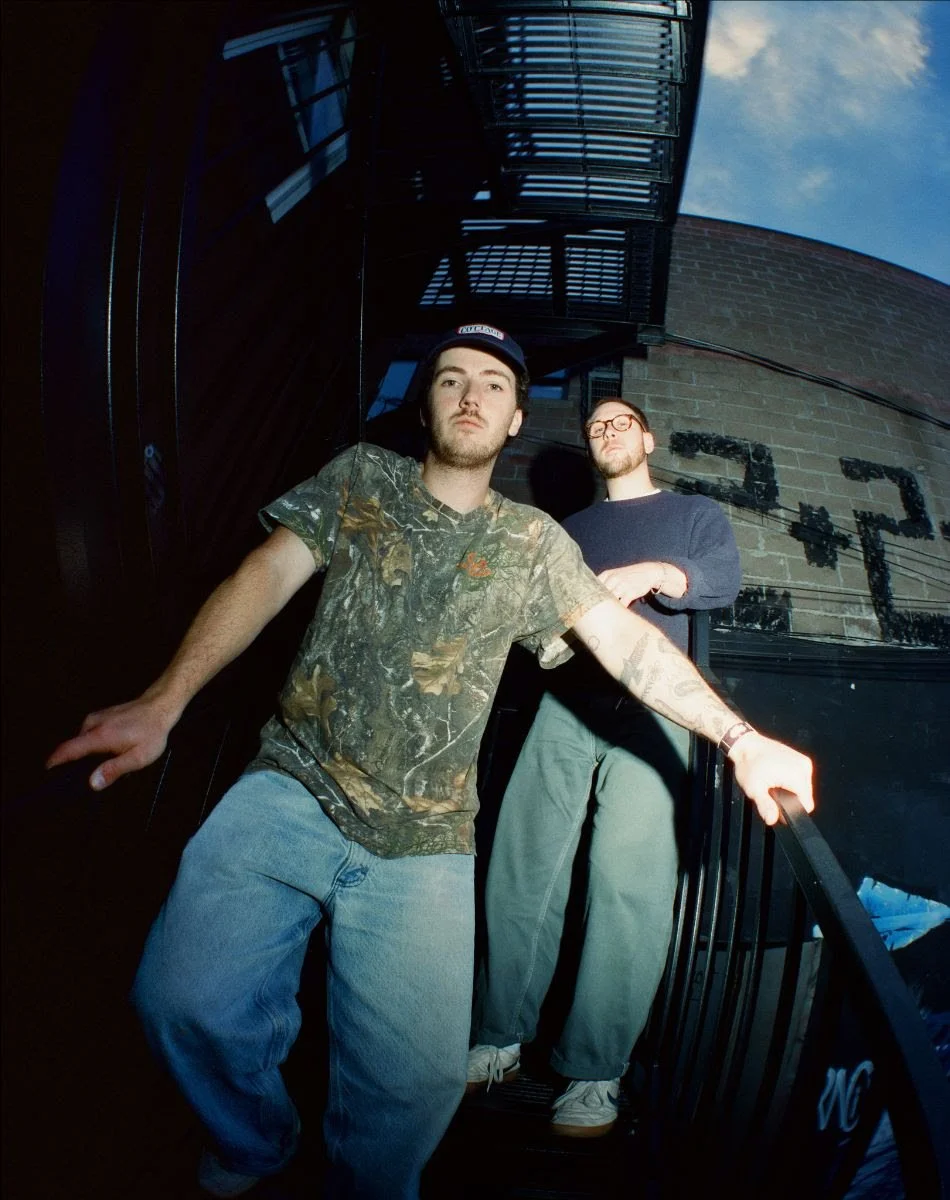
Pyncher built their momentum through a driving force of a cult band; keeping their tracks hidden from the streaming platform. For a long time: the only way to see them was to see them live – building reputation through word of mouth devoid of the algorithm purely by making good music. The garage rock influence is there – taking the rock and roll origins and suiting them down to the ground; injecting them with enough wacky weirdness that echoes bands like Crack Cloud when they’re all in full throw. They’ve already shared stages with the likes of Geese and Maruja – and are almost certainly a few months away from having their moment in the sun. Now they’re with Heist Or Hit, Westside Cowboy’s label.
From a project that began just before COVID in Manchester, between Sam Blake – vocals and rhythm guitar and Harvey O’Toole, the lead guitar and backing vocals – Pyncher has taken on whole new lives for the band, enlisting the likes of Brittany Dewhurst’s bass into the equation. Their EP – ‘I Really Mean it This Time’ rushes into things with the nostalgia of ‘One Day’, its pulsating drum beat from Jack Rainbow; backs the three minutes of pure unleashed guitar chaos.
“One Day,” Blake sings – “It’ll be okay / if you’re tired of the new ways / they’ll soon be old”, reflecting how common change is and its passing of time. It appeals to nostalgia and the reminiscence of spending up all night with unspoken love that’s faded and gone “if you could come back, I’ll be here,” the sense of longing and rawness and spoken words that can never be said aloud is embraced in the ultimate saturation of white heat that echoes the likes of The Strokes and Ty Segall. “I love you / and I’ll never say that” pierces the heart of anyone listening with unspoken truths of their own – yet despite it all, the two people at the centre of the story, must go their separate ways.
The influences of the piece are laid bear for all to see but Blake’s vocals are distinctive and brash, very much making the sound of Pyncher instrumentally their own thing. ‘Louisa’ is a tad Lou Reed at times – screwball and off-the-wall “trying to be apart of something I didn’t start” kicks in with the triumphant vocals of a Blur-esque chord before going full barrelled deep into the formula of ‘Oh Boy.’ If ‘Louisa’ was an ode to the 60s style songwriting ‘Oh Boy’ explores feelings that can’t really be explained a lot; and the problems of communication and the disconnection from people that Blakeley has talked about – “boy, I’ve done it again,” he sings, “I’m just a big fat loser / with my head sticking over the fence.” It’s scuzzy and echoes ‘Every Town Needs a Stranger’ - and instantly familiar in sound and 2000s indie but also instantly something new and different; laying bear the honesty of “cyclical patterns that can come from being unable to communicate properly.” There’s plenty of The Strokes and The La’s on this track, earnest and dosed in the Britainicana of Westside Cowboy.
It loops back around on ‘Home’ that changes the difference of viewpoint when everything feels alien despite nothing have changed set against the buzzy, upbeat, catchy and intoxicating chorus of “I really mean it this time’’ that’s impossible to not sing along to. It’s at times like these when the Buzzcocks and the Kinks DNA is evident – with a tad more complexity on deeper listens that plug a dive into the creative process of the band. It fits in with the band’s feelings – of being different and standing out where they’re coming from – and getting it all out there. It’s an ode to Blakeley’s hometown in Steyning, West Sussex and you get a feel like this whole EP has been a trip down memory lane for him. Like the characters, it can be quite isolated there – as it is in many small towns.
But instead of trying to fit in Blakely has embraced the difference and that has made Pyncher as a band so special – their refusal to conform to any rules or established trends and instead just go with what they want to do the way they want to do it. That’s how their own mythology is made – and as long as they stay true to their ideals, they’ll go far.
Words by Miles Milton-Jefferies