Album Review: Keo - 'Put A Smile On For Me'
Despite only releasing their first single last year, the wait for debut album ‘Put A Smile On For Me’ has felt torturous — but don’t worry, it was worth it.
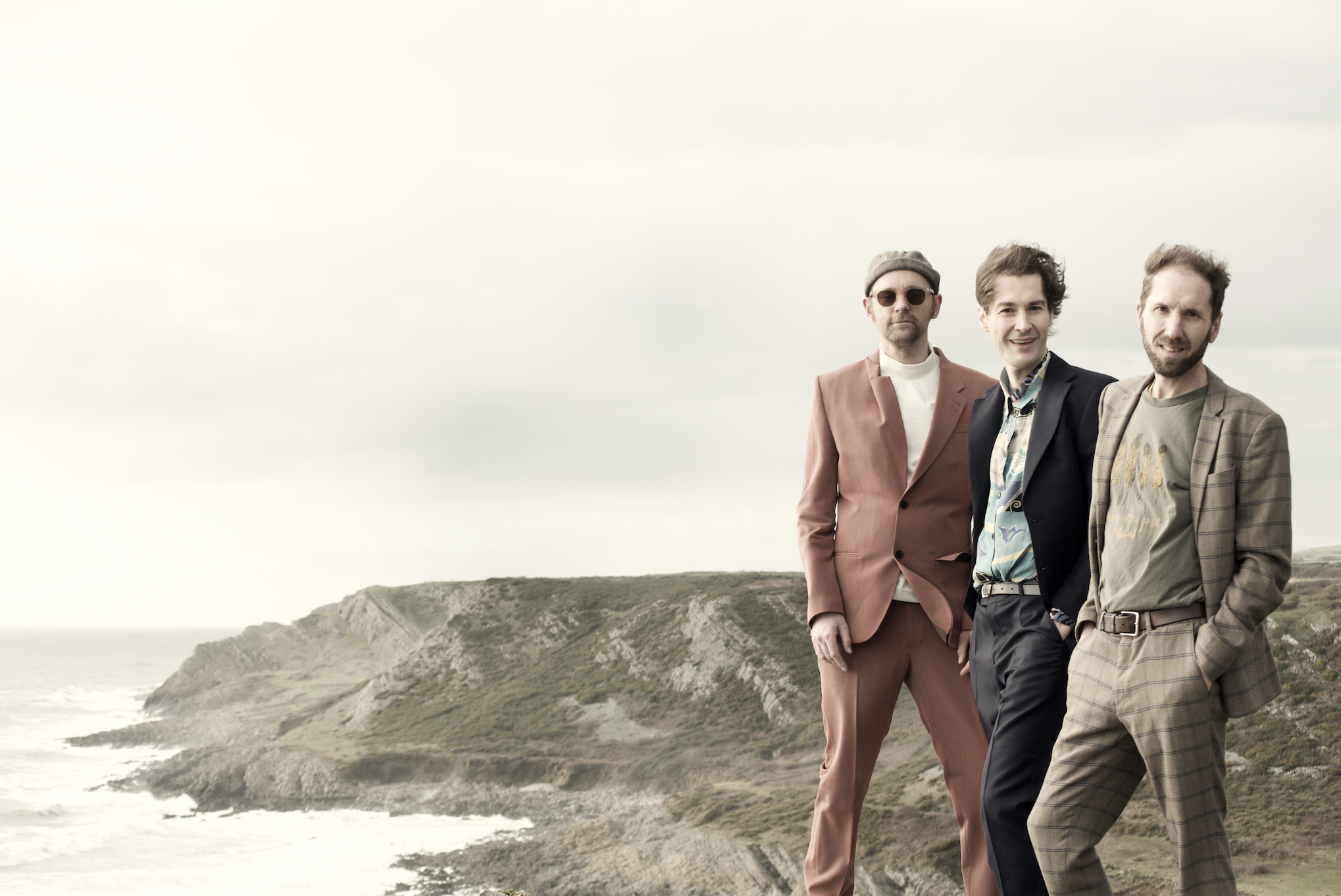
Although ‘Siren’ might have had Keo knocking on the door of the music industry, debut album ‘Put A Smile On For Me’ feels the equivalent of following it up the six-song EP with a bulldozer. It’s everything that the length and breadth of the UK has come to love from the London lads ratcheted way up until the handle’s broken. Finn and Conor Keogh, Jimmy Lanwern, Oli Spackman. Remember the names, because 'Put A Smile On For Me' feels like a launchpad to the echelons of beloved modern guitar bands. But don’t take this review’s word for it — instead, take a look at the stats. They’ve sold out their tour in a crazily short period, including O2 Kentish. They went from the BBC Introducing Stage (RIP) at Reading and Leeds last year to the main stage this year. They’ve even already announced a show at the iconic O2 Brixton next year — and all of this before even releasing their debut album.
Sure, most of the album won't be a surprise for any long-time fans. Bar two songs — and even one of them has tentatively started creeping onto recent setlists — all of them have been setlist mainstays in one form or another. Some, like ‘Fly’, have had their original demos floating around for years. But getting to listen to them mastered, self-produced by Finn — “I almost wanted to compromise the music just to get rid of the pressure. But I didn’t think
anyone else would get it right”, he explains — and unapologetically raw, even after the studio-driven polishing, is something else.
‘Be Happy’ sets the scene right off the bat. Propelled by bright, demanding guitars and a thudding rhythm, the instrumental carries a deceptive bounce that clashes against Finn’s broken vocal delivery. The repeated refrain of “never mind” sounds like a man at the end of his tether, the vocals flitting between hopeful and broken; when the track spirals into a wall of crashing riffs, then, it feels less like a catchy hook and more like a driver abandoning the wheel, refusing to just accept the road laid before him, the instrumentals’ climax crashing together like a pile-up. That tension carries straight into lead single ‘That’s Me’, an explosive, seething track where gravelly, self-recriminatory vocals and heavy dynamics confront toxic behavior head-on. Any attempt at foregoing blame is shoved to the side, alongside any idea of languishing in self-pity; you can feel a little bit of impotent rage, the idea of confronting failings that you feel unable to change, but on the whole the spitting vitriol is perfect.
Then, if I can go on a quick personal tangent, the track I was most excited for. The track that got me into them a few years ago, finally given the polished, official release treatment: ‘Fly’. Re-recorded with crisper instrumentation and somehow even more despondent vocals, the brooding, anguished track is sublime. Finn’s voice sounds exposed and desperate — a wounded animal lashing out over a hypnotic, swelling backdrop, building and building as the emotion, the anger and the grief pours out as one… before the final roar suddenly cuts out, leaving behind an empty silence. The threatened, tempestuous climax never truly arrives, the track feeling like it could have just gone on and on, but that’s probably personal bias! Either way, it sure does the live favourite justice.
'Best I Can Do’ slows the pace into sludgy, melodic territory, Finn almost drone-like as he wrestles with indecision during the gradual erosion of a relationship, while the aforementioned setlist-newcomer ‘Bird On The Wire’, building off of a soft, aching guitar melody, trades its predecessors’ earlier rage for quiet acceptance. Finn’s crooning vocals carry a bewildered listlessness, cast adrift at the realisation that a relationship is doomed from the start.
'Pistol’, acting like its namesake, uses a sudden, jolting drum fill from Spackman to kick off what feels like the album’s second half. Built around soaring guitars, it reflects the idea of still being able to see light from long dead stars; its gradual fade, the track easing away into a silence, feels like holding onto something that still inexorably slips from your grasp. Then, ‘Loser’. The only song truly unfamiliar to Keo’s wider audiences, a feigned gentleness quickly gives way to a simmering sense of insanity, a mental state a moment away from a breakdown; a listing of faults, real or imagined, feels like a man on the brink. There’s a sort of dark despair to the track, a nihilistic pallor that leaves the track devoid of hope, of colour beyond a swirling, all-consuming blackness — but it’s somehow weirdly beautiful at the same time.
Speaking of dark despair, ‘Black Dress’ takes it the other way. Rather than introspection, the track gives the sense of slithering malice as discordant melodies, anxiety-inducing blares, and sinister whispers cut in and out, echoing through an empty room. There’s something incredibly Deftones-y about it, despite not being all that reminiscent of their particularly distinctive brand of shoegaze; still, though, Finn seems to channel his inner Chino throughout the track, whispers and moans evoking a sinister sense of tension, while anxiety-racing instrumentals flaunt and haunt it both. A sudden end, the song like a malevolent spectre suddenly and abruptly cutting off, merely adds to the discord. The lyrics thankfully make a tad more sense than Deftones’ usual stream of consciousness, but it’s pretty damn close considering the otherwise stark differences between the bands’ usual fares; add some more breakdowns, perhaps a scream or two, and they’d feel nigh indistinguishable to casual listeners. Even in such a strong album, a clear hidden gem of a track.
From black to blue, then, as ‘Blue Song’ offers what feels like a maudlin eulogy, an epitaph of the relationship. The gentle guitar under Finn’s raw and surging leaves the track feeling bereft and particularly alone; raw pleading and longing laid bare. When the band fully kicks in halfway through, the soaring vocals feel closer to futilely raging against the dying of the light rather than any sort of new life. Which is distinctly ironic, given it is proceeded immediately by a new version of ‘Thorn’, the ‘Siren’ standout given new life by way of a more brutal album iteration. With splintered vocals and more demanding instrumentation, it strips away any sort of polish to show the cracks in the veneer. It feels weird that a ‘proper’ version of a song somehow feels rougher, but the ‘Thorn’ from ‘Siren’ ain’t got nothing on this, the more austere update showing a rougher, far more mesmerisingly emotional core.
By the time you get to closer ‘Spent On You’, then, it feels more like mental aftercare. The jazzy track offers up a mellow, relaxed instrumental backing under Finn’s wistful crooning, a lovesick wanderer staring into the distance and reminiscing. In a vacuum it’s almost romantic, but in the wake of the toxicity of the album extended before it, it reads more like callouses and scarring building on unresolved trauma. Which feels like not only the perfect way to end Keo’s debut album, but almost the only way they could have ended it.
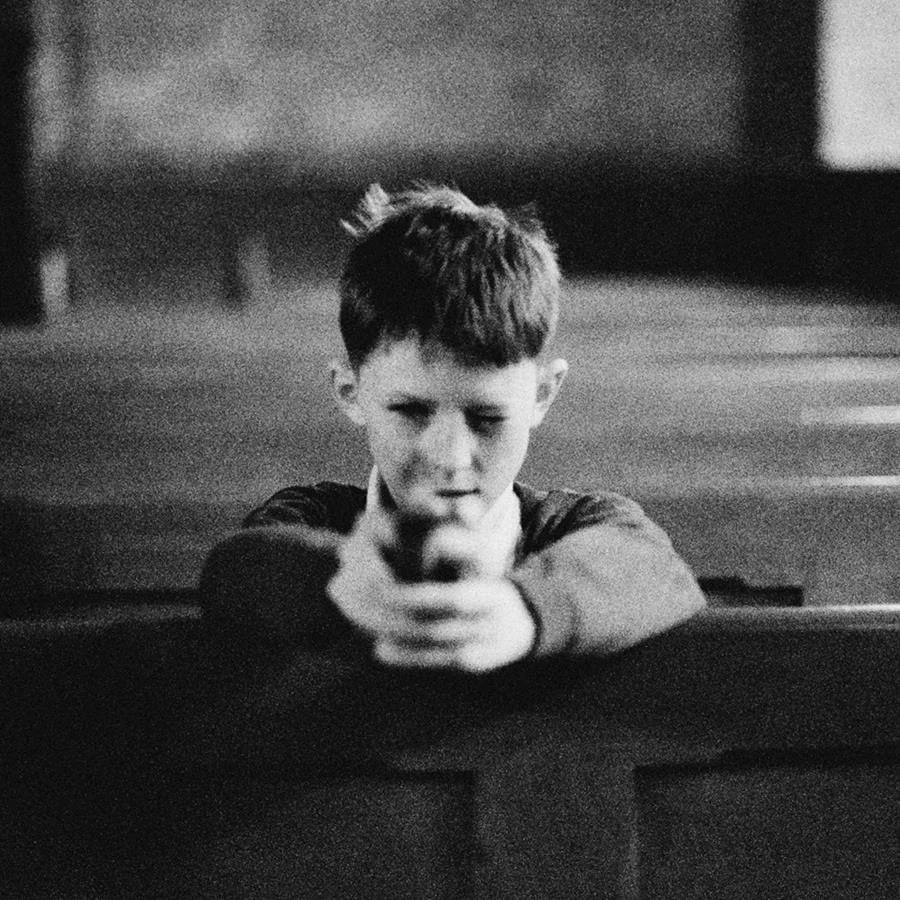
‘Put A Smile On For Me’ won’t be for everyone; it feels unremittingly honest, refusing to adhere to more modern conventions or to soften its edges and reach some sort of status quo. It somehow feels both massive in scale and unrepentantly, uncomfortably intimate; even for long-time fans, it’ll likely need a certain mindset or mood to go into it for a full run through. Despite that, though, and with the acknowledgement that it’s said as an existing fan, it’s fantastic. It’s everything you could want from the boys, other than perhaps calling for twice the length.
The perfect call-to-arms for anyone who thinks guitar-led music is dead.
Words by James O’Sullivan