Album Review: Paris Paloma - 'The Fatal Flaw'
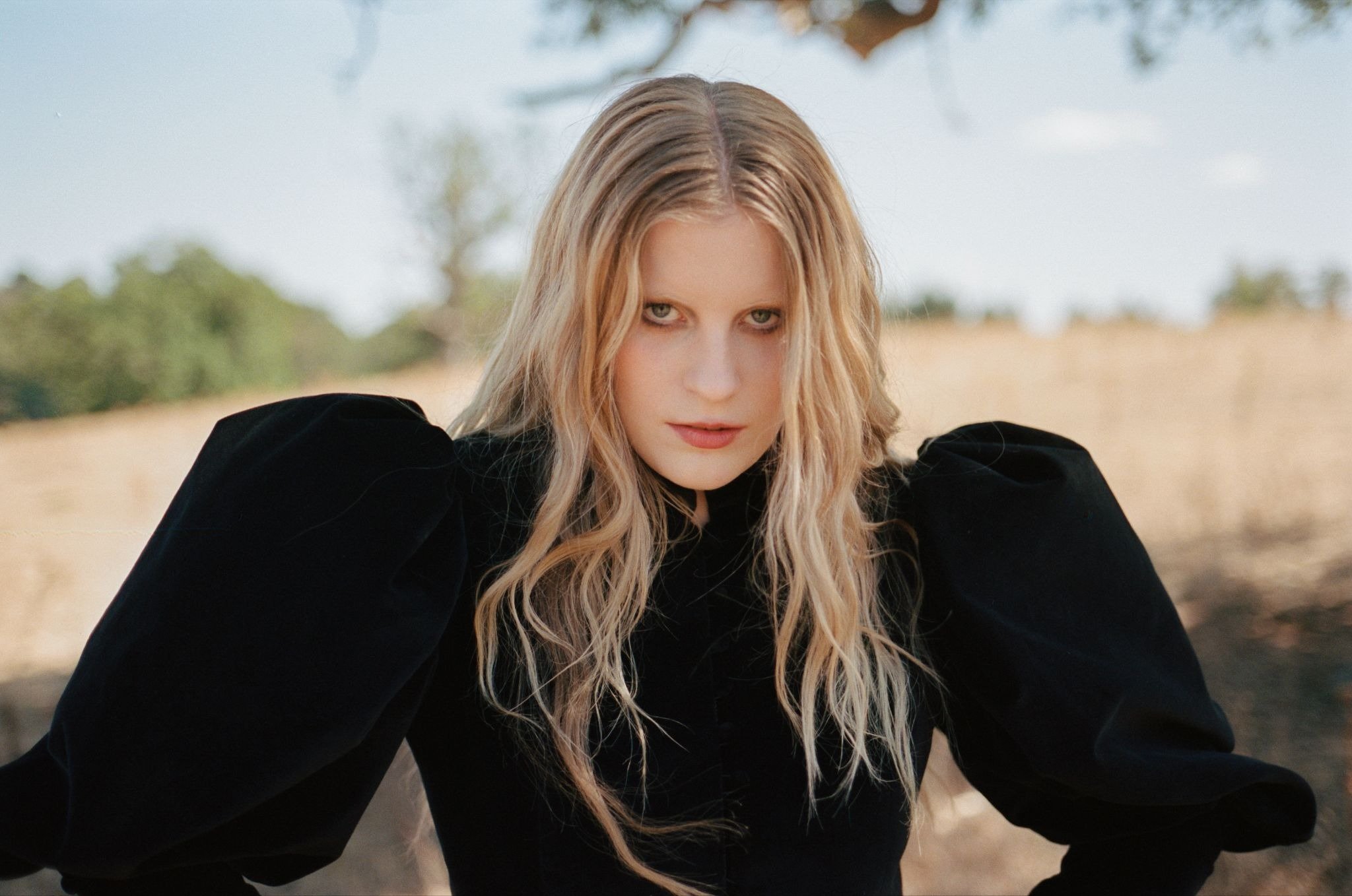
Seeking to understand what it is to be human, Paris Paloma releases sophomore album ‘The Fatal Flaw’.
Love, loss, and becoming. The three parts to many an epic tale. Paris Paloma seeks to encompass them all on her new album, ‘The Fatal Flaw.’ Having gone introspective and letting listeners into her inner workings on debut ‘Cacophany’, she turns things entirely on their head with this release. Where it was an inhale, this is the exhale. A post mortem of grand proportions, Paloma dissects her emotions, her inspirations, the things that scare her all in the hope of finding the core of what makes real art so important. Anthemic, defiant and with searing commentary on what it means to be not only an artist but a human, this fatal flaw looks to be the making of Paris Paloma.
Paloma begins things simply with ‘I have something to say’ on opening track ‘Miyazaki’. A manifesto seeking to explain all she intends to change, it firmly establishes the sense of empowerment and determination that drips from the album. The resistance here is against the alarming rate at which artificial intelligence encroaches creative spaces. Expanding on all she wants to say, she explains
‘I wrote this song about art, about the burning, urgent desire to create art as my way of making sense of the world, and as my way of resisting darkness and hatred. It’s a defiant song, about defending the human need of artistic creation in a world that is increasingly devaluing it in the face of AI’
The title comes from Hayao Miyazaki, known not just for Studio Ghibli but also his shared stance on the AI plague on the arts, calling it an ‘insult to life itself’. With a mixture of urgency, passion and sheer love for the act of creating, Paloma starts as she means to continue - a call to arms.
Miyazaki gives way to ‘Rothko’ with whom Paris begins to delve deeper into the threads of the ‘The Fatal Flaw’. Here she lays bare her fear of not ‘falling in love in this lifetime’. To be so vulnerable and exposed from so early on in the album is bold but works to invite listeners to look inwards at their own existential fears. Over gentle guitar strums and swirling harmony, Paloma muses on her frustrations at her feelings - the ones she has, the ones she feels forced to hide, and the ones she wished she could conjure up. Using Rothko and his artwork as a point of reference, she explains her anger at wanting to feel the ‘right’ things and her sadness of only getting close by feeling them from the sidelines. Rothko’s paintings are known for their reputation of being deeply evocative; Paris doesn’t understand how she can stand and stare at one endlessly and find nothing. It plants the seed that ultimately blooms in the final track of the album, ‘I Cry at Paintings’.
‘Stem The Flow’ and ‘The Bleeding Part of Me’ work seamlessly in conveying something that has gone beyond control. Blood is an image Paloma has been unafraid to use in her work and this isn’t even it’s first appearance on the album. In a previous lyric, she explains it quite succinctly:
‘I find myself bleeding and it seems that its never even for the right reasons.’
Her ability to create, her desire to feel, a love that she cannot contain - the blood is a metaphor for everything and anything. There’s a violence and aggression to it that translates into the music; blooming strings, drums that sound like a heartbeat, choral incantations and of course Paloma’s tone which has a fragility to it that constantly seems pushed to the point of shattering. The anthemic bridge section on ‘Stem The Flow’ is particularly staggering, something which will only grow once tour begins and audiences can join in.
Often Paloma’s works read almost as a kind of literary criticism, never more so than on this record. There’s something about an artist who is so obviously passionate about art and its palpable on ‘The Fatal Flaw’ through the myriad of references and allusions sprinkled throughout. Some are overt, take Miyazaki, Rothko and Tartt from whom the title potentially is inspired. Paris is actively engaging with contemporaries and those who inspire her. With repeat listens though, you begin to notice others, all in communication with eachother. Ithell Colquhoun's Diagrams of Love. J.W. Turner and his seascapes. Bell Hooks’ intersectional feminism. The pre-raphaelites and their romanticism. It’s a shame the album doesn’t come with a bibliography or a recommended reading list.
As well as being in conversation with art itself, Paris Paloma is in a kind of conversation with herself on tracks ‘Good Boy’ and ‘Good Girl’. Determined to interrogate the world around her and all its insidiousness, these two work in tandem with one another to examine hugely complex and nuanced subject matter like the commodification of female bodies, patriarchy’s intertwinement with capitalism and the conflict of trying to create solidarity in a world built upon division and hate. These two are songs borne from anger, hope, and the way we need to use both to incite change.
A personal favourite has to be ‘get her the fucking flowers’. In terms of production, it is one of the more stripped back tracks on the album and really gives space for Paris Paloma’s abilities as a vocalist and songwriter to come to the fore. Abandoning the more visceral elements from other tracks, her power here is rooted in her honesty and vulnerability. It’s rare to find a track where an artist gives so much of their self away without expecting anything in return and this is one of those. To hear this one live will be truly spellbinding.
For Paris Paloma, the ‘The Fatal Flaw’ is rooted in what it means to be human. The entanglement of the primal, the intellectual, the emotional and the irrational, all of which fighting out to best inform who we choose to be. Paloma decides to reclaim them all, traversing through life and love and creating art in all its contradictions, determined to reckon with the beauty and the failures along the way. She calls for her listeners to be unafraid, to feel things deeply and to revel in all of the things that don’t line up perfectly. To create art is to be human and to be human is to be flawed. That is the true message.
Paris Paloma heads on tour from the end of September all through to December. Additionally, the Europe leg of the tour is in partnership with women and girl’s rights organisation ‘Plan International UK’ whom Paloma champions for their work to end period poverty, eradicate child marriage, and work towards keeping girls in education.
Words by Kirsty-Ann Thomson