Album Review: Thom Yorke and Mark Pritchard - 'Tall Tales'
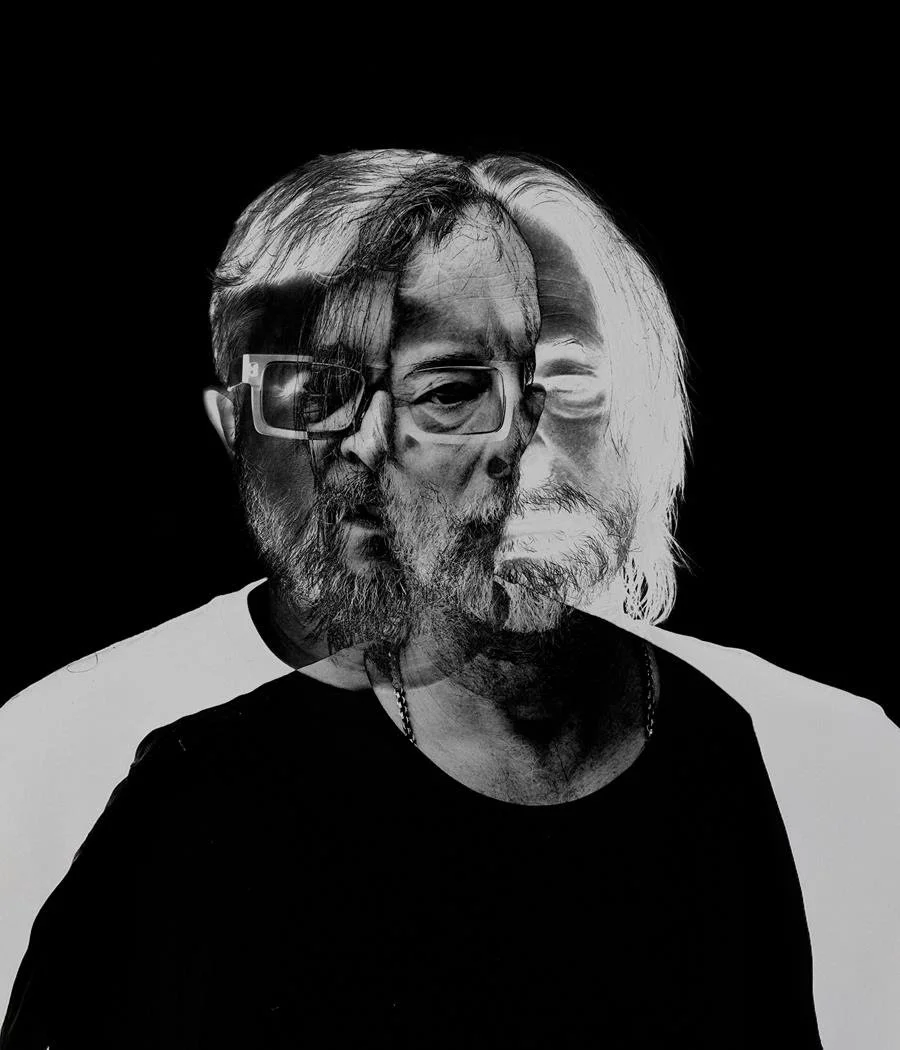
Ten years in the making, ‘Tall Tales’ brings together some of the most masterful storytellers in music.
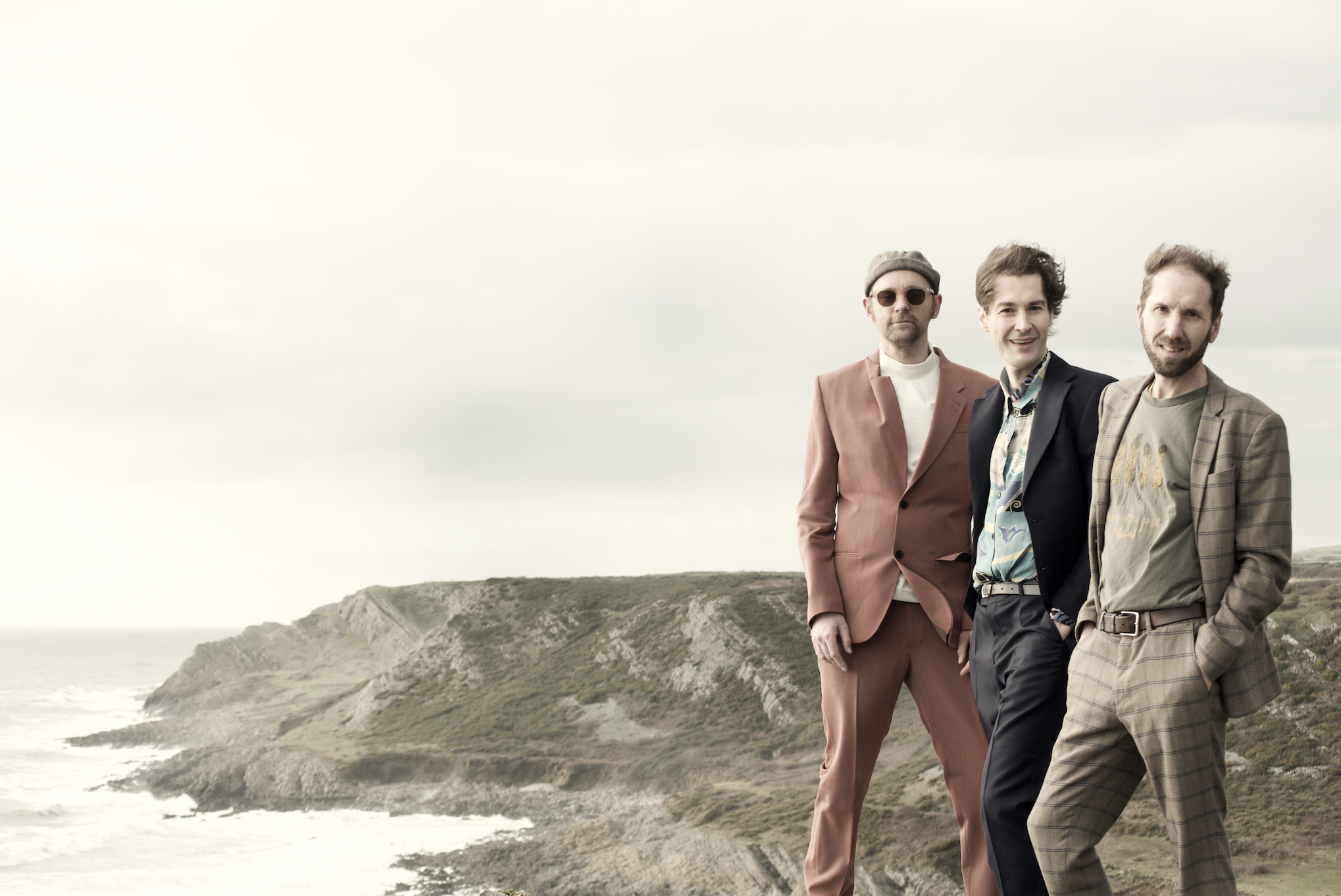
Its a huge moment; after years of admiring each other's work, dancing around the possibility of collaborating and little hints here and there, Thom Yorke and Mark Pritchard finally are sharing their first full-length project together. The album, beautifully titled ‘Tall Tales’ is an exploration of the tensions between humanity, self-expression, isolation, AI and ownership. It marries together Yorke’s distinct voice and powerful lyricism with the innovative ideas and capabilities of musical polymath Pritchard to create something that is thought provoking, deeply emotional and at times even profound. The project is a trinity of talents and is released alongside a stunning feature film directed by the ever idiosyncratic Jonathan Zawada who makes use of AI and generated image technology that gives the whole project a real sense of momentous occasion. The title ‘Tall Tales’ comes from the project’s intention to transport listeners and viewers into the world of children’s storybooks. They explain that much of the foundations of our critical thinking that informs us how to approach life is built up from what we learnt as kids in stories; making it the perfect metaphor to explore the feelings and experiences of adulthood. These are fairy tales as you have never heard them before. It's a celebration of storytelling, encouraging even the wisest and most seemingly ‘grown up’ of listeners to make use of a tall tale as an approach for life.
The album opens with ‘A Fake in A Fakers World’, a cacophony of percussion that evokes images of rainfall, only if that rainfall was made from the inner workings of a computer. It’s quite impossible to articulate which quickly will emerge a theme for the rest of the record; the soundscapes that Pritchard is able to create bring sound to the impossible and bring harmony to noises you never thought could be turned to song. Yorke’s vocals, even when heavily augmented, are wildly discernable - cutting through the overlapping layers of instrumentation and giving listeners something to latch onto and seek guidance from. He is the break in the waterfall that invites us beneath the waves. Lyrically, the invitation continues as Yorke laments
‘A force that you cannot see, someone to look after me. A fake in a faker’s world. A line that’s just so absurd, a space for some more to come; a click and a thudding and a hum, a fake in a faker’s world. A bridge that won’t run across, our day will come’.
The vocals as well as being purposely vague and conceptual in their imagery are also deliberately drawn out, echoing across nearly 9 minutes of music. It’s disorienting, but in a way that seems to make sense. Pritchard and Yorke want listeners to question and marvel at what they’re listening to. With this opening track, they make it clear that they aren’t writing songs. They are putting feelings to music.
Track 7, ‘Gangsters’, is lifted right out of an Atari or Spectrum games console. One of the singles released ahead of the album, it gives fans insight into the world Yorke, Pritchard and Zawada have created. The vocal performance oozes with a thick sense of dread and anxiety and its layered brilliantly over electronics that take inspiration from the brutalist movement. Listening to it, you get the same frustrations and unease that arise from having to play that one boss fight over and over again only to keep losing the game. The music video, created by Zawada and a glimpse of the film that accompanies the album is equally frantic in its depiction of humanoid creatures in impossible predicaments, all in blistering saturated technicolour. It is a psychedelic trip that hasn’t necessarily gone bad - just weird. It’s sensational.
So much of what makes the album feel as other-worldly as it does is down to the many talents behind its instrumentation and production so it feels pertinent to give credit and celebration where due. Lots of the instrumentals and production is performed by Pritchard himself but there’s several other features worthy of commendation. Steve Christie appears over and over again playing everything from a steinway piano to the harmonium. Bass is often played by Josh Wermut who also is the genius behind the white noise that appears on ‘Ice Shelf’. Making up the woodwinds are Louisa Revolta, Heather Grant and Lucy Andrews who play clarinet, cor anglais and oboe respectively. Revolta also features as the vocalist who closes out ‘This Conversation is Missing Your Voice’. It’s a wonderful discovery that of the 12 tracks on the album, all bar one include material recorded at Pritchard’s studio that is fantastically titled ‘Wizard of Oz Studio’. As well as its wide array of musical instruments - the ondioline synthesizer, a 1957 wurlitzer sideman, musical saws and waterphone to name just a handful of the highlights - it adds an extra layer of whimsy and wonder onto what already is a musical project plucked from the land of make believe. There’s countless other musicians, technicians and specialists whose efforts have gone into making this album so sonically rich and its success is as much theirs as it is the three gentlemen who lead the project.
A highlight arises in ‘Bugging Out Again’. Upon first listening, Yorke’s echoey tone while beautiful is difficult to understand, almost as though he is singing underwater or in a bubble. Many listeners will likely find themselves listening over and over as I did, trying to make sense of what it is he is trying to say (surprise, it's a track about love). His vocals have been put through a Leslie Speaker, a piece of amplification that typically is used with organs. Thanks to its tremolo function, using it can give an instrument a wavering or trembling quality which in the case of Yorke’s vocals makes them feel almost ghostly. It's a brilliant feat of musical ingenuity, showing off just how much you can achieve through playing around with different bits of technology and equipment.
All of the tracks have an ‘ASMR-tickling-the-brain’ quality to them which is a testament to the amount of expertise in musical production that has gone into them. Aside from that though, when you get down into the lyrics that Yorke has written, you begin to uncover just how searing and deep the rabbit hole goes. Being able to understand the words across the 12 tracks requires multiple replays but as you go over the tracks again, huge themes emerge that help to tie everything together. Criticisms of technology and its precedence in our culture, the threats of climate change, reflections on the pandemic and political events of the last few years, commentary on migration and national borders, concern about capitalism and money are just some of the topics that are being dissected - fans of Yorke and Radiohead’s history of poetic and deep lyrics are guaranteed to be pleased if they give the songs the time they deserve. The most interesting track lyrically though has to be the final track, ‘Wandering Genie’. At first, it just sounds like dissonant vowel sounds sung by a choir. Over the progression of the song, the single line of lyrics slowly become clearer and more pertinent. Simply, ‘I am Falling’. To choose to end the album with these words is impossibly symbolic and cements ‘Tall Tales’ as nothing short of epic.
Eponymous track ‘Tall Tales’ that comes towards the end of the album is terrifying to listen to but in a way that makes it impossible to skip or pause. Sinister and foreboding, it opens with the sounds of sirens, much like what you would expect to hear during a period of war or in the wake of a nuclear apocalypse. Without wanting to give its secrets away, the ways that voices have been doctored and layered onto each other is genuinely scary to listen to, even more so when you pay attention to what they’re saying. Should you be brave enough, this is the track to listen to in the dark with headphones on. You’ll feel as though you’ve stepped into an episode of Black Mirror or one of the Matrix films.
Listening to this album is truly an event. An hour or so of mental preparation for the journey, the trip itself, and the comedown, which for me was several hours long. I cannot begin to imagine the magnitude of being able to watch Zawada’s film alongside the sonic experience and can only wish joy to those lucky enough to have secured a spot at the very exclusive screenings. Make no mistake, this is not the kind of music you will hear on the radio, for that simply is not what the project is about. ‘Tall Tales’ is rooted in a passion for exploring the boundaries of sound and holding up a looking glass to what makes music ‘music’. There are moments and motifs throughout that are jarring and dissonant as they play around with harmonies that clash and timings that are wonderfully discordant. There is, however, so much beauty in the noise that this album makes and that paired with the searing subject matter that feels so pertinent and needed today makes this such an important piece of art. There has yet to be any announcement about live performances - quite how that would be achieved would be a true feat of engineering - but in the meantime both I and the three brilliant storytellers from whom ‘Tall Tales’ is born urge you to stop and listen. Really listen.
Words by Kirsty-Ann Thomson