Album Review: Searows - 'Death In The Business Of Whaling'

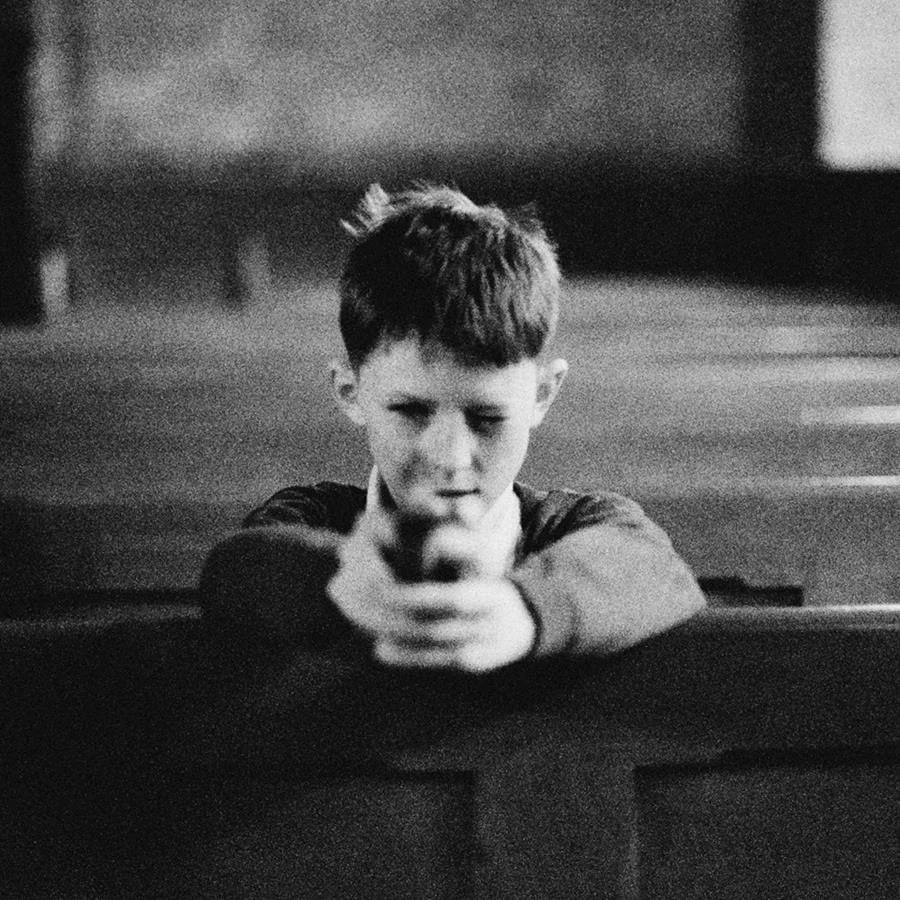
Death in the Business of Whaling finds Searows lost at sea, surfacing with his most powerful work to date.
With a Moby-Dick inspired title, Death in the Business of Whaling marks a clear shift for Searows. Moving away from the indie foundations of earlier EP releases such as Guard Dog & End Of The World, the album embraces grander soundscapes and a heavier shoegaze influence. It feels wider, more immersive, and more emotionally ambitious. Working with Trevor Spencer, known for his work with Father John Misty and Beach House, proves pivotal, helping Alec Duckart stretch his sound into something far more expansive than he’s ever attempted before.
The title track Belly of the Whale opens the album in a gentle, airy fashion. Drawing from the biblical story of Jonah, looping banjo chords give the song a transcendental pull, while Duckart’s vocals take precedence as the chorus arrives. It is quietly depressing and deeply emotive, easing the listener into the record with patience and grace. Kill What You Eat follows in a similar vein, drifting along on relaxed guitar lines and dreamlike textures. Duckart’s idiosyncratic delivery feels wistful and reflective, and although the track runs slightly long, it remains a pleasant, hazy space to sit in.
Photograph of a Cyclone, the album’s second single, arrives as a sharp contrast to its predecessor. A full review can be found here, but to summarise this song is like night and day compared to the previously released single Dearly Missed. It helps reinforces the scope of the album and hints at its more volatile emotional peaks. That volatility fully comes into focus on Hunter, one of the record’s standout moments. Beginning in a blissful shoegaze haze, the song erupts in the chorus with crashing drums and heavy guitars, reaching a euphoric climax. Duckart pleads “wait for me” while questioning “does it end?”, and the majestic outro makes it easy to get swept up in the whirlwind of despair.
The album softens again with Dirt, the third single to be released. Dirt opens on an entrancing Spanish guitar pluck and keeps things intimate throughout. The guitar remains central, paired with Duckart’s smooth, sedative vocals and contemplative humming in the bridge. The songwriting suggests a quiet waiting for karma, and the track fades out delicately with a lingering guitar. This restraint makes the song one of the album’s most subtle and soothing moments.
Dearly Missed stands as the emotional centerpiece of the project. Thick with distortion and intensity, it is a grandiose and theatrical release of raw feeling, and easily the album’s strongest track. A devastating story of loss which encapsulates the album as a whole. In its aftermath, Junie feels like the calm after devastation. Spacey, reverb-heavy, and deeply vulnerable, the song confronts grief head-on with honest, open songwriting. A track which feels directly inspired by my bloody valentine, lines like “I will be here” feel caught between denial and longing, and the outro once again leaves a lasting impression.
The closing stretch pairs In Violet and Geese, two songs that lean heavily into intimacy and pining. In Violet opens with a slightly eerie atmosphere before blossoming into lush instrumentation, its chorus shimmering as Duckart repeats “I love you more”, a line that eventually fades into the ether. Geesestrips things back even further, bathed in Wurlitzer haze and anchored by some of Duckart’s clearest vocals on the album. With minimal instrumentation, it captures Searows at his most exposed, with lines like “I’m prettier than ever, it’s never enough” landing with quiet devastation.
Overall, Death in the Business of Whaling is a cohesive and emotionally rich album that offers a deep dive into Duckart’s inner world. With high points like Dearly Missed, Hunter and Junie, the album shows an artist confidently refining his sound and embracing scale without losing vulnerability. It is a record that rewards patience and repeated listens, firmly establishing Searows in this grander, more immersive chapter of his career.
Words by Alex Peters